


Hi, I tried it and found it simple to understand and funny even though it isn't the kind of game I'd usually play. I felt the reaction time from pressing the button to the chicken moving somewhat long. This did cause the chicken to move further than I intended (and got it killed).
Smurjo
Creator of
Recent community posts
It looks more like the steering wheel of a ship than a handle of a valve on a pipe. I've looked up how handles on valves look on some random internet page (https://boilersinfo.com/types-of-valves-with-images/) for you;
The red color for handle I feel is a good choice (assuming it is somewhat consistent with other interact-able parts in your game). Additional it would help if there was some light hinting at the valve. Currently your eye is immediately drawn to the light on the left.
The sound effect is nice, albeit not very realistic (I have worked in a lab testing valves in the past). Mostly valves operate noiselessly. There might be an occasional squeaking. And there might be the noise of cavitation, which can occur when the valve is almost closed. Cavitation is vapor bubbles imploding (you might want to look up cavitation) and damages valves over time. You might be able to hear it if you open a faucet just a tiny bit (so that the water runs into the sink mostly without noise just a little above dripping) and put your ear close to the handle. You listen for short, sharp sounds like "pop" not unlike firecrackers.
Wow, that's impressive number of possibilities. So I'd like to share another link I use since I am doing games in historical setting. These are public domain recordings of classical music from https://musopen.org/. Among other criteria you can search music by instrument and time period there.
I absolutely agree with you hechelion. I am making - imo nicer looking - games for years beside my full time job in the field of engineering. Without having marketing - except e-mails to friends and family - I built a very modest following and I don't know how many would actually spend money to play my games. I personally don't want payments because among other things it would complicate my taxes more than it is worth.
And there is another aspect. I'd call it "the grass is always greener on the other side". There must be something that made DNA games become an engineer. But once he was an engineer he though game development would be nicer. Now that he is a game developer is guess he is already thinking of something that would be nicer... No job is 100% fun. Not even game development. I can still love my job even if I have to go through parts that aren't fun. I think it's quite satisfying to work with actual physical products.
What you describe is what happens in real life. It's called inflation. Maybe you want to be careful raising taxes in the first place. Not more than your citizen can afford. But I see your point, one must be able to pause the game to process the ripples some actions might cause.
So far I didn't plan interactions. Every citizen decides on his screen. If the baker raises the price of bread the other citizen have to pay. Obviously playing an excessively greedy baker will not make your settlement thrive as a whole.
Naturally I will limit the number of jobs to the essential at first because of cause it's a lot of work. I was thinking more of abstraction than of shallow. Baker, tailor and alchemist all buy materials, have production chains and skill trees.
Of course there are a few special cases, like the mayor. What the major does - acquiring people, designating areas for logging, mining or building - would be a screen in a city builder anyway. Employees of the city, like the teacher or the priest won't have much to do. They just can look at their finances. And if the cost of living will make the teacher likely to leave the major will better give them a pay rise.
Hi gamers and fellow game developers,
I would like to get your feedback the following city builder concept:
Think of a typical city builder like e.g. Anno or Banished. You need resources for building, the population needs housing, food, drink and firewood etc. . As usual you build roads and houses and specific buildings that fulfill the resource needs like e.g. a bakery. The city founder also has to win qualified people for his project e.g. a baker to operate the bakery.
Additionally - and this is the new part I am thinking about - the player switches into the role of those leading citizen and organizes their business, e.g. orders raw materials and sets production rates. If the player fails to keep a business profitable the citizen will leave the island and e.g. the bakery will not operate until a new baker is found.
I am thinking of this icon to represent citizens: Would you unterstand it?

When clicking on the icon you get a list of citizen on your island with some overview data:

Your citizens have a "play" button which allows you to play as them. You get to see their inventory, you get their skill tree in school, can take a loan at the bank for them and you can set their monthly purchases and production. There will also be a separate help screens per character. Do you know any games where you switch from playing one person to playing anther like that? What do you think of the idea?
As you can imagine the well-being of your citizens requires multiple characters to do their job successfully. What do you think? Nice idea or way to complex for the player?
Hi Gaziduc, my bad. I didn't understand I can only place program steps on the plus tiles. Instead I try to click the + sign with no effect and dragged the cards anywhere else but the plus sign. This isn't necessary in my opinion. Just let the player drop a card anywhere and position it by rounding its position to the next square.
I did 3 levels. I actually liked programming by drag and drop. Far less cumbersome than having code snippets inserted by Visual Studio (typing is often faster). And why not - beside code snippets - have a card for each variable already declared?
Since I know how to program that should be easy - but it wasn't. I wanted some if - else thing - jumping if there is there is a hole and walking if not. I think the end of the if block with a stop sign isn't optimal. It would be better if you could stretch the if block itself and place the other commands inside the block. When I "officially" learned programming I had already learned programing the auto didactic way. Nonetheless I benefited from those lessons because I learned to think in blocks. When I type code I'd usually type the closing bracket of a block at the same time as the opening bracket and fill in the content later.
I also didn't like I couldn't see the level in advance. In my opinion its a good habit to plan ahead before you code and have some general structure/philosophy where your classes and methods fit in.
I made a game online together with someone. Or rather started it with someone and mostly finished it alone, since the other couldn't put in so much time anymore because of his job . Working together online with screen sharing is fine, especially when the content you are sharing is digital anyway. You sure learn different ways of seeing things. You'll also have to accept things aren't always done your way.
With painter and sculptors co-living is commonplace. It's called artist residency. You'd have to apply with your work and it's not easy to get in. I think it's a matter of research to find an artist residency for digital artists or an artists residency that is willing to take in a digital artist (maybe hoping he'll fix all their computer issues).
I'm haven't looked for a HTTP server recently, the only one I know is Apache Tomcat which is free. There are however also multiplayer functionalities in game engines as well. I know the Unity engine has it (and I bet the Unreal engine has to have it too). The Unity engine and the Unreal engine aren't free in case you make substantial money with your games. But they are free for hobbyists. You'll want to check out your different options of game engines considering you want to do multiplayer.
The IP4 address is only valid in your local segment and not unique beyond that. Plus you'd usually be using dhcp. Which means your computer gets a new IP4-address every time your computer reconnects to the network. You'd have to find out your current IP4-address again every time.
There are definitely better alternatives which work between players world wide without bothering them to type in long number sequences. For example a public domain client-server solution. The server is just a piece of software that can run on one of the computer you are playing at.
Hi Dickmilch, I just published my fifth small game for friends and family for Christmas. Which means right now I am planning the 2026 Christmas game.
Game development is time consuming, no doubt. I will work on my game all year beside my full time job. This means I possibly have on average 10h per week. I'd typically do very little animation since animation is very time consuming. I estimate I could do 1 minute of animation in the 10 h of one week. But there is all the rest to do, most of it in my case 3D models. I'd estimate I spend half of the time 3D modelling, 20% programming, 20% testing and 10% on miscellaneous other tasks (research, planning, itch.io page etc.)
In case you aren't into 3D modelling. there are places where you can get free 3D models online. And of course there is AI (But since using AI is basically stealing from the artists whose work was used to train the AI, I don't do it). There is one disadvantage with the free stuff and the AI stuff you need to consider: It is never exactly what you had in mind. When you put together a little bit from here and a little bit from there you inevitably get a some mismatch in style and quality between the different items. With the time you spend searching for just the right thing you might possibly manage to model it yourself.
I am older myself. That wouldn't bother me. You don't necessarily have to code, there are visual scripting tools too and many people also use AI to help them code. I can't comment on those things from my own experience . I did do a lot of online learning though. There are so many great tutorials on YouTube and the good game engines come with free online tutorials as well.
BTW: I worked on my very first game for several years, with different engines and never finished it. I am fine with that. There is no doubt a lot to learn before you have a game you can be proud to publish. Even now I abandon a half finished game sometimes. The last one I abandoned turned out not to be as much fun as I had hoped.
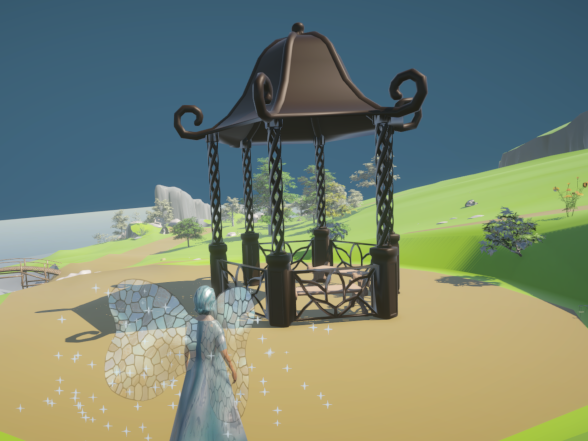
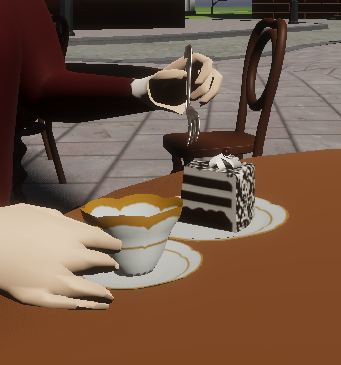
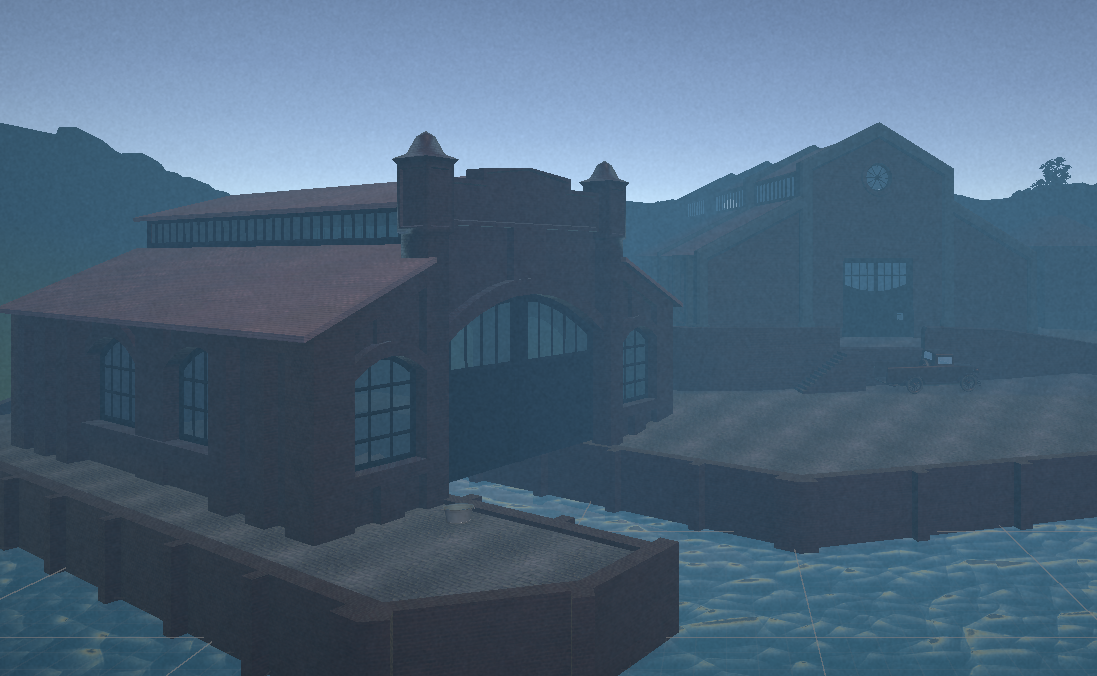
For five years I have released a game for Christmas. This is a screenshot from this years game:

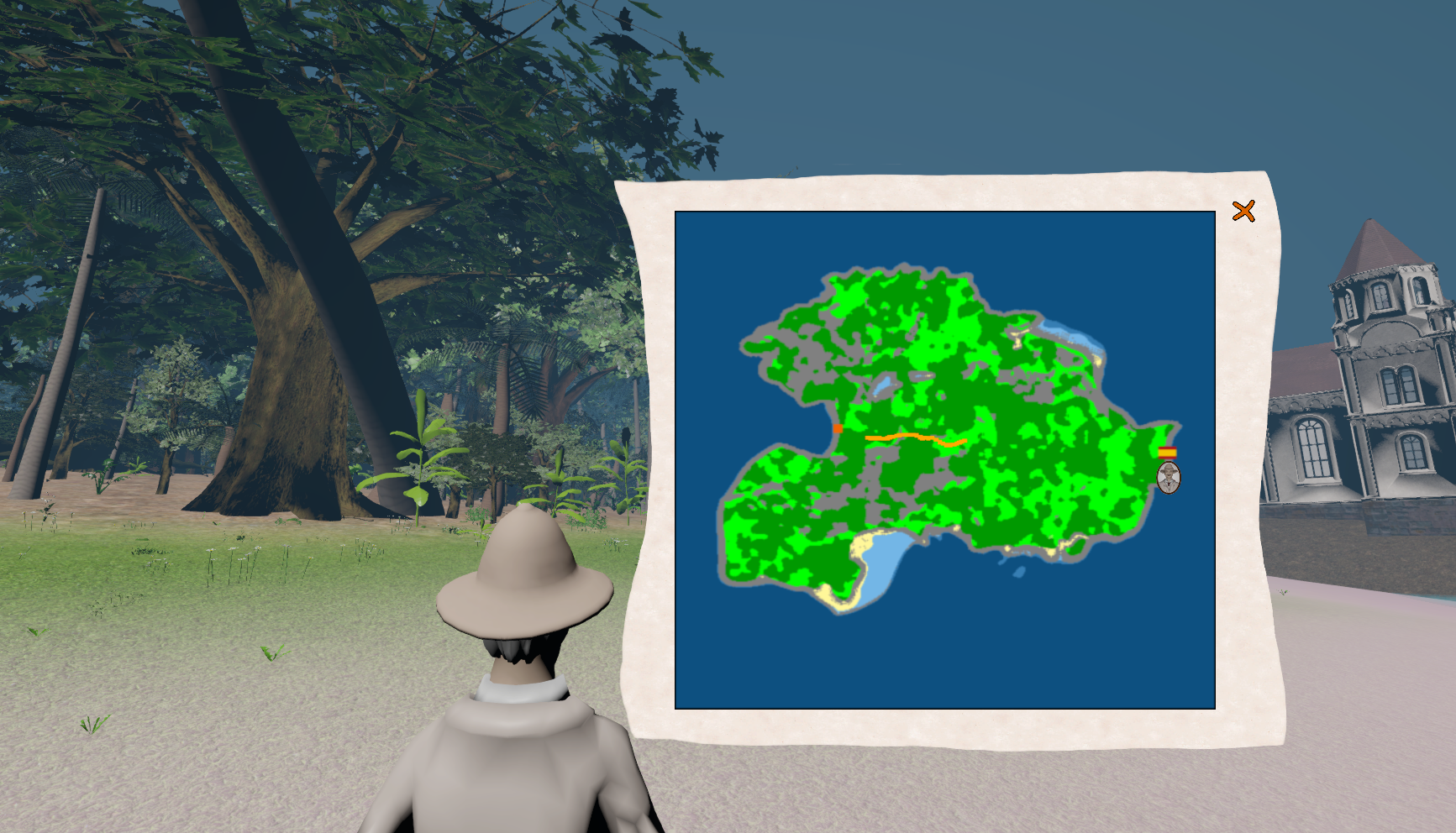
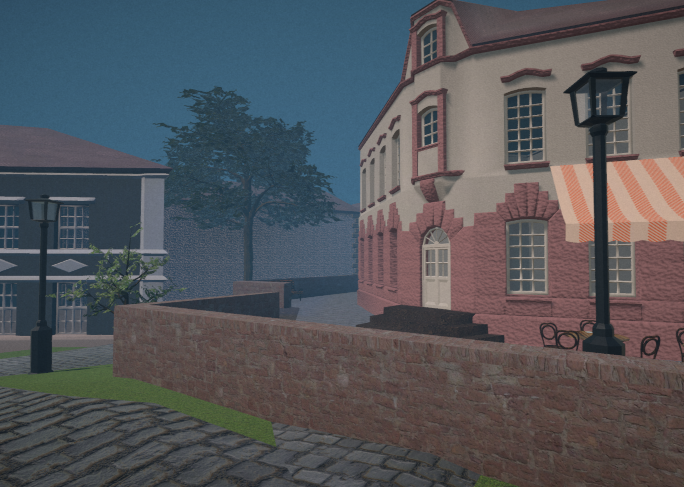
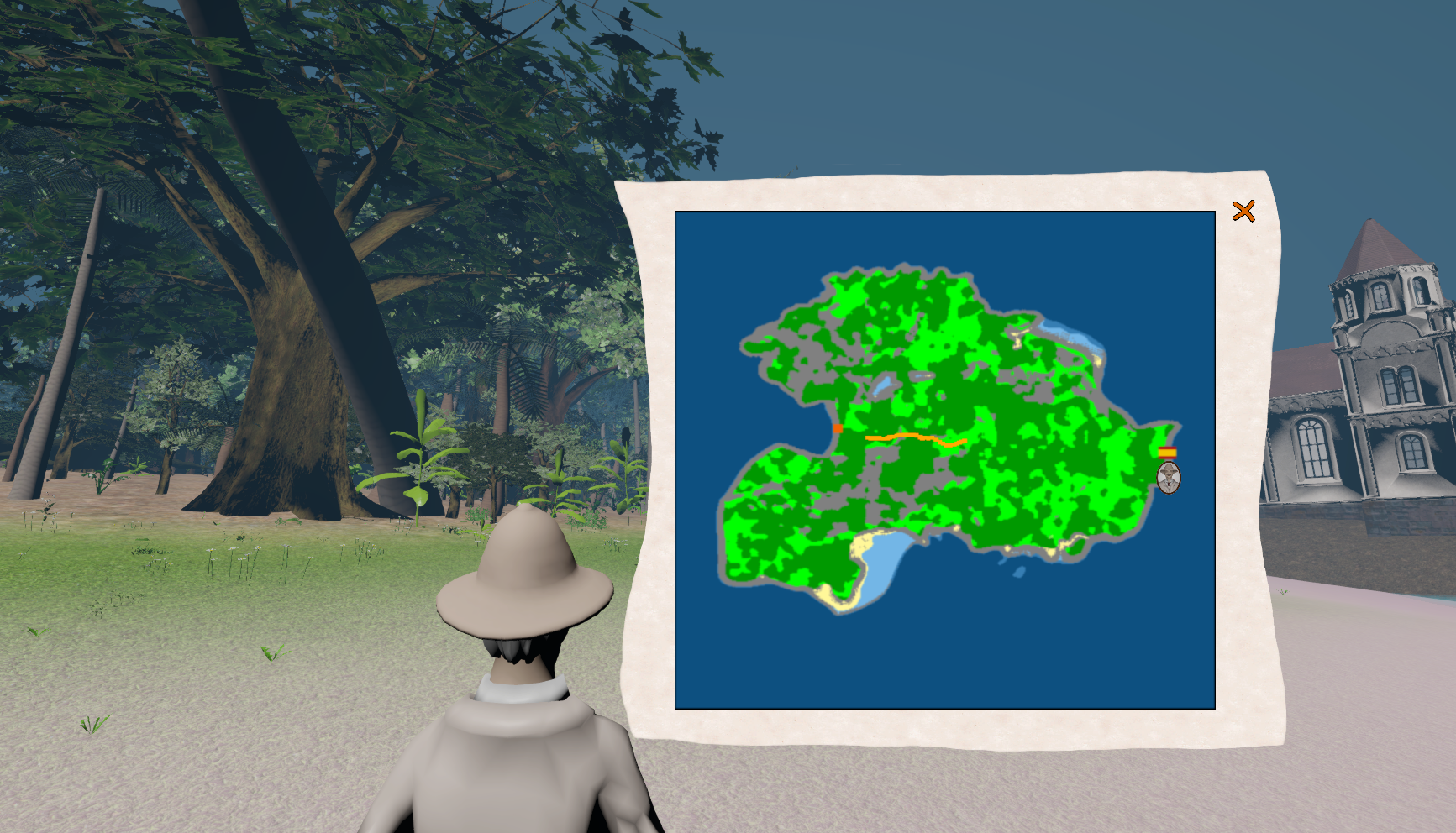
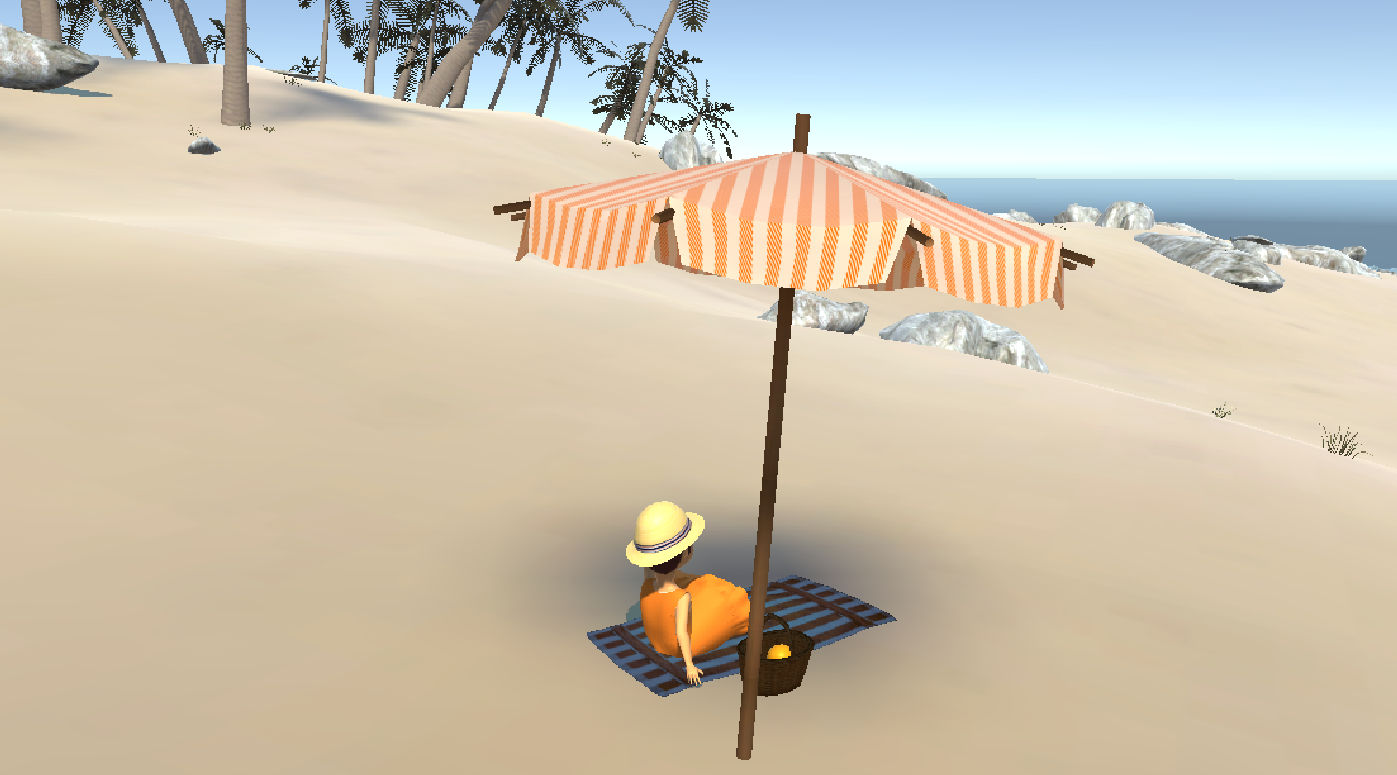
Building Bill Burton Road is short strategic game set in 1898 focusing on single task. You are to build a road through the wilderness following your compass. Given the difficulties in mountainous terrain you'll soon learn to plan ahead using the map. The maps are randomly generated and can be saved in case you'd like to try the same map again. Here are some examples:
Have fun and preferably let me know what could be better. Here is the link:
Hi Krunchy,
I tried to play your game (browser version) but got stuck very early. It was in front of the door of the police building. There was a text I should do something first before (entering the police station?) and there was an image of a tiny door. But no button worked (except esc and tab). I played on PC with my Keyboard (I tried mouse input too, but I guess the game is not intended to be controlled by mouse).
From my very short look I quite like the graphics.
I have once used Unity to visualize a machine my husband build in virtual reality. Mostly the 3D CAD for mechanical engineering and 3D design tools for games are different worlds. Kind of like vector graphics and bitmaps in 2D. We had to find a way to convert the data format first and the resulting 3D models had millions of vertices - something that is almost criminal in game design. We had to buy a computer good enough to handle that. Nevertheless the result was impressive - you could kind of walk into the operating machine.
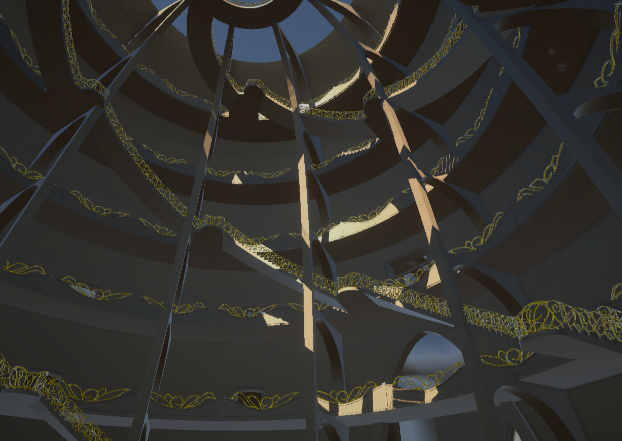
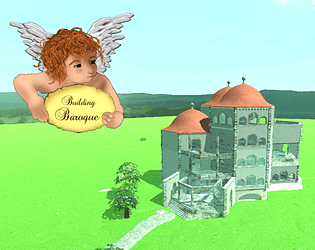
I recently updated a game which I originally posted in 2021. Because of it's topic (baroque) it necessary has some public domain content. But the rest of the content I created all by myself, without AI. I explicitly stated in the description that I don't allow my content to be used to train AI.
Guess what - within minutes of the upload I had a visit by chatgpt. What does it mean? What can I do?
I'm not a lawyer either. But I guess you are fine as long as you make negligible money.
If you make money, it's quite likely they'd want a piece of the cake. If you set out for making money I guess the Star Trek thing could be very helpful for marketing. Have you tried contacting them for a license?
Why an additional button? In my games you simply move the volume slider to 0. Additionally (because I e.g. play actual baroque music in my "Building Baroque" game) I have button to display the title of the piece that's currently playing. BTW: There is a lot of public domain classical music if that would be something for your game.
I worked on a game for five years and never published it. Now I do a small game once a year for friends and family for Christmas. This way I gain experience on the complete process and build up a library of my own assets. I don't make any money with my games. I guess if you want to make money you would need to invest in marketing and your game should better be good. Which your first game - honestly most likely - isn't.