Honestly, try recreating simple songs you love and mess with them 😅 Remaking tracks from C418 or old chiptune games teaches way more than endless tutorials. Small practice every day adds up.
Honestly, people rarely give feedback unless you really ask for it 😅 Try posting short clips and ask simple questions like “what feels boring?” or what should I improve? We ran into the same thing at GameGenesis.
Man, I feel this. The AI debate got so heated that a lot of people stopped caring about context and just react instantly. There are definitely others out there just trying to make stuff and getting caught in the crossfire too.
Honestly, if you want truly AI free in 2026, you’ll probably have to define your own threshold first because avoiding every possible AI contribution in the toolchain feels nearly impossible now. I’d focus more on keeping your actual game assets/code huma made and being transparent about it.
As a marketer from GameGenesis, I’m always curious about what people are actually enjoying these days 👀 Looking for game recommendations across any genre,something genuinely fun, addictive, or just underrated. What have y’all been playing lately?
I don’t think it’s frowned upon at all, especially if the game is built around online features exclusive to the platform. As long as the page clearly explains that it’s only available through the Playdate catalog, most people will understand.
A lot of people are weirdly aggressive about AI right now, even when it’s being used as just another creative tool. Honestly, most artists are just trying to make stuff and survive, and getting instantly labeled “AI slop” without context can kill motivation fast.
Social media is weird honestly. A lot of people may like or follow something casually, but very few actually spend money or support projects. Usually people start caring more when they keep seeing consistent progress and real gameplay over time.
This kinda rings a bell. Feels a bit like If My Heart Had Wings with the daily encounters and park vibe, but the MP3 and training part doesn’t fully line up. You might be mixing two VNs together tbh 😅
Yeah, most indie devs definitely use analytics—especially if they’re making mobile or live games. Even simple analytics like session time, level completion rates, and where players drop off can make a huge difference when improving gameplay. It’s not just about numbers, it helps you understand what players actually enjoy and what frustrates them.
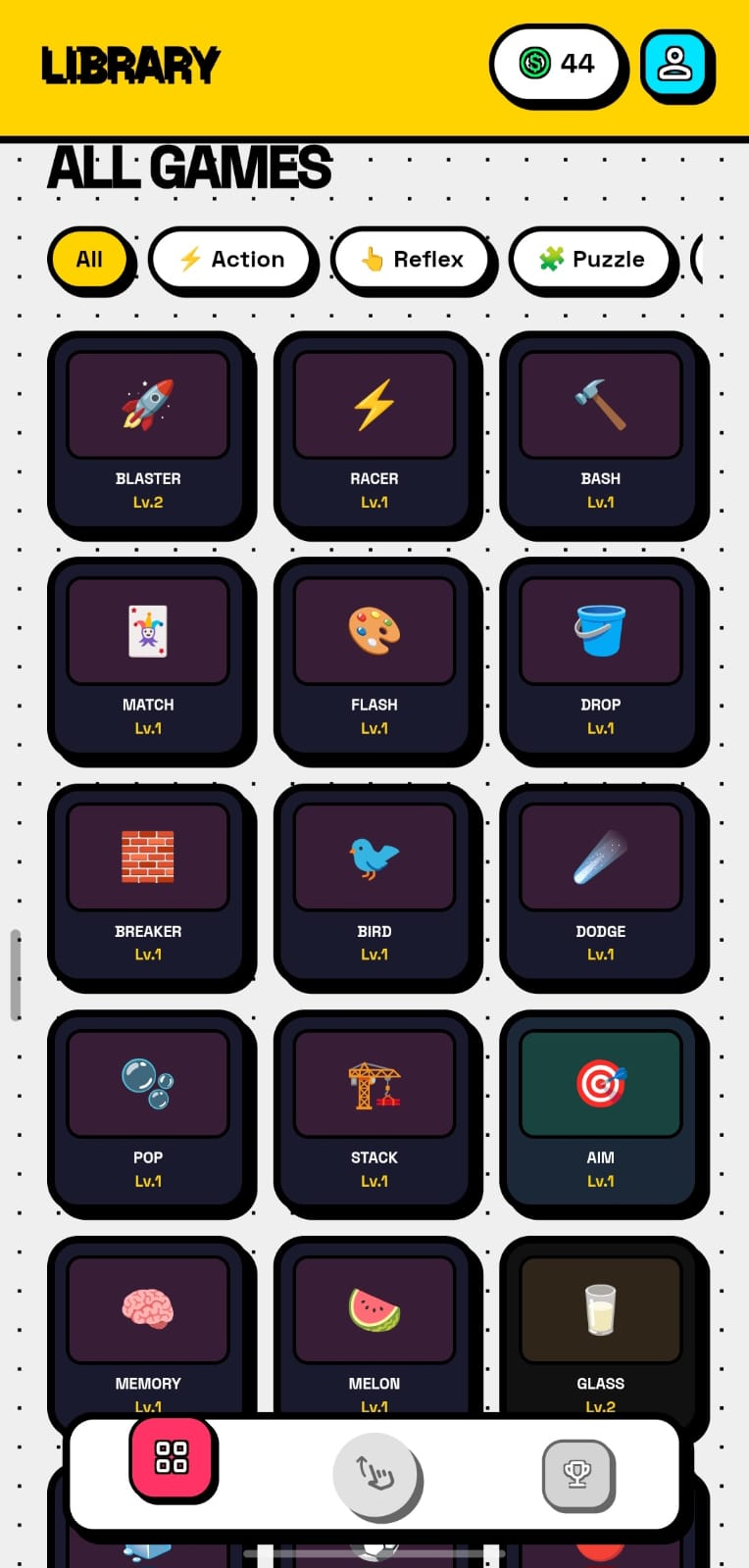
From my experience working on small mobile-style projects (like what we do on GameVerse by GameGenesis), analytics are super useful for spotting which mini-games people replay the most and which ones need tweaking. Even basic tools can give insights that help make the game more fun and keep players coming back
From what I’ve seen, OGG is probably the most convenient music format for video games. It gives a good balance between file size and audio quality, and it loops well, which is super important for background music. WAV is great for short sound effects because it’s uncompressed, but it gets heavy if you use it for full tracks. MP3 works too, but it’s not always ideal for seamless looping. While working on small mobile-style games (like the kind we experiment with on GameVerse by GameGenesis), OGG for music and WAV for sound effects has been the most practical combo—keeps the build size small while still sounding clean.
Game designers are extremely important—honestly, they’re the backbone of any good game 🎮. They decide how the game feels to play, not just how it looks. A great artist can make a game look beautiful and a programmer can make it run smoothly, but it’s the game designer who figures out things like mechanics, progression, balance, difficulty, rewards, and overall fun.
Game designers are extremely important—honestly, they’re the backbone of any good game 🎮. They decide how the game feels to play, not just how it looks. A great artist can make a game look beautiful and a programmer can make it run smoothly, but it’s the game designer who figures out things like mechanics, progression, balance, difficulty, rewards, and overall fun.