A browser Dream made in HTML5.
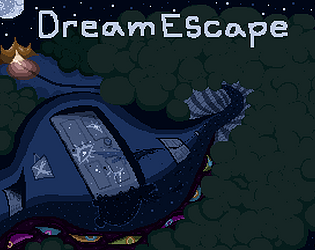
It attempts to bridge the gap between 16-bit JRPG nostalgia and the high-tension danmaku mechanics seen in Touhou Project or Deltarune. Visually, the game succeeds with impressive character portraits and battle sprites that capture a genuine 90s JRPG flair. However, this charm is immediately met with significant technical friction; Mira's movement feels overly sensitive, almost like trying to steer a shopping cart on a frozen lake, and the environments are frequently interrupted by frustrating invisible walls and poor collision detection.
The combat system introduces an interesting hybrid of turn-based layouts and danmaku-dodging, but it currently lacks functional depth. A major point of contention is the inclusion of an MP bar and experience points that serve no actual purpose, leaving battles unrewarding and deafeningly dull. Furthermore, the total absence of audio feedback in the menus and combat saps the energy from what should be high-stakes encounters. Without the crunch or oomph of sound effects or a reactive soundtrack, the dream world feels more barren than ethereal.
Ultimately, this university project feels like a rough diamond buried under a mountain. While it suffers from a buggy save system, stretched full-screen visuals, and a very short 15-minute runtime, there is a visible heart behind the project. It avoids the soullessness of modern corporate titles, offering a sincere, if unpolished, indie experiment. For fans of retro aesthetics, it's a pixelated nightmare worth a quick look, but it requires significant technical refinement to truly wake up from its current nightmare of unrealized potential.