Our Playtest will end on August 1st. (+ New Capsule Update!)
Thanks to your help, we got enough feedback to make improvements to the game. If someone is still interested, there’s 1 more week to join.
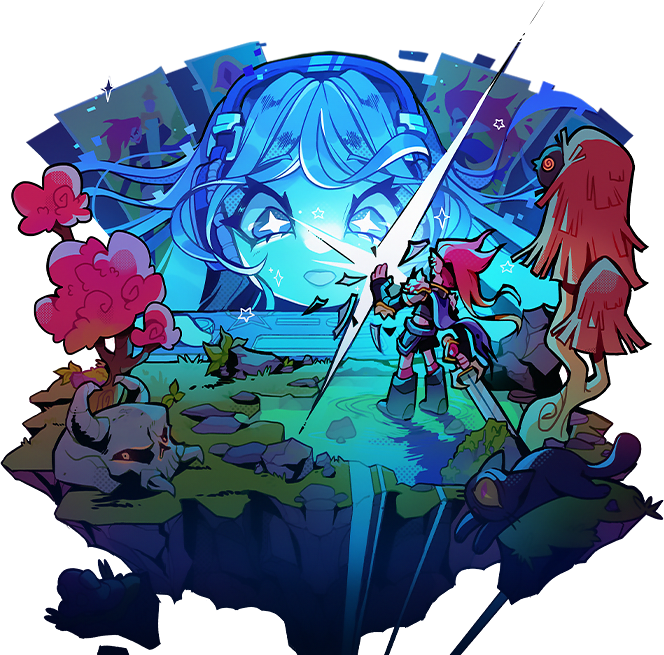
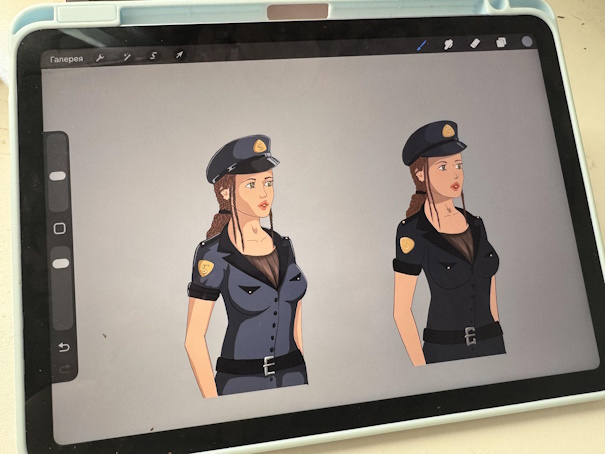
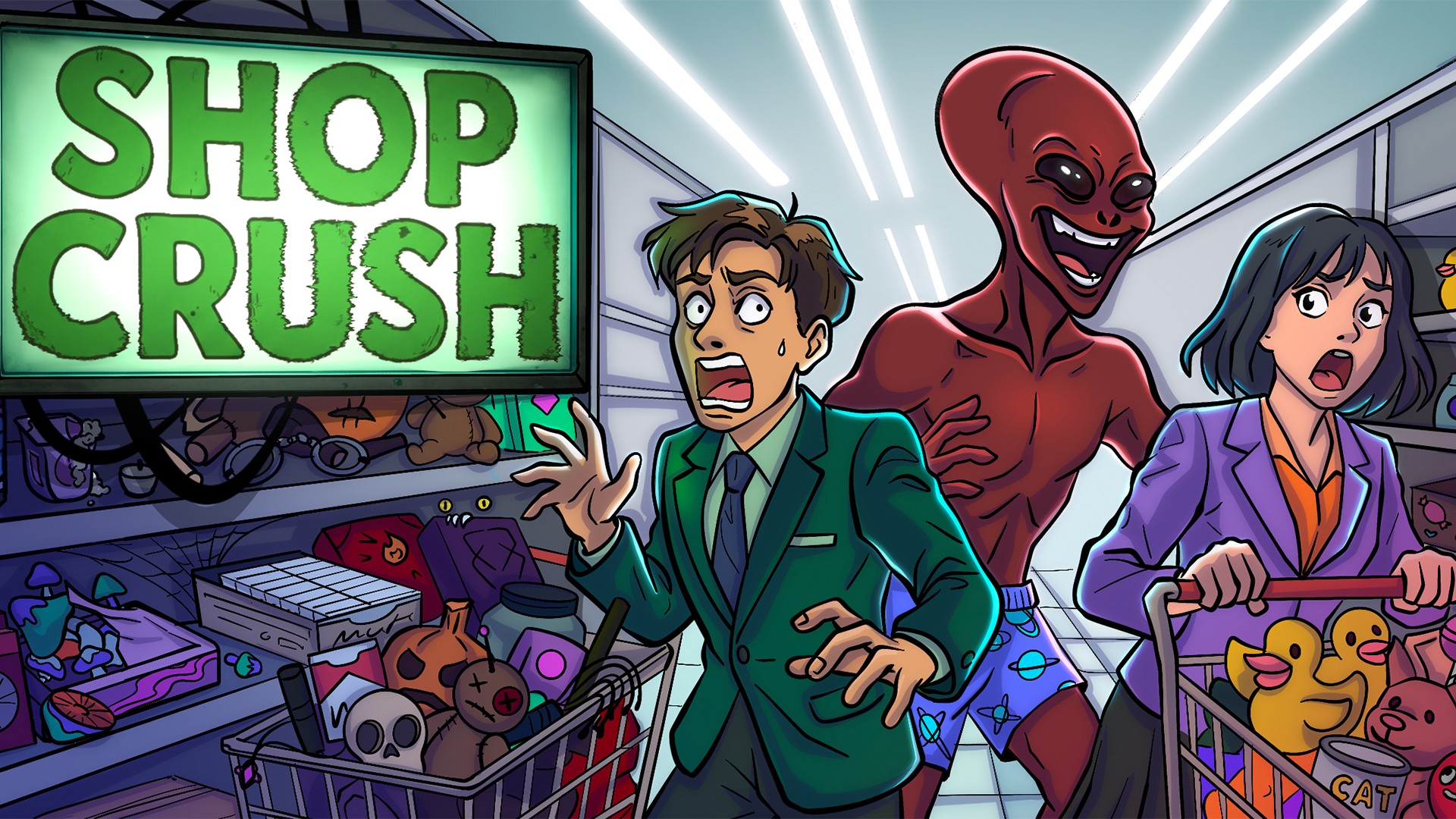
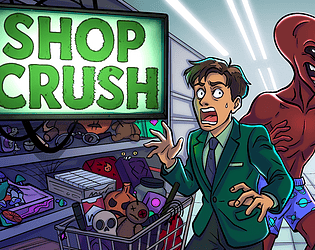
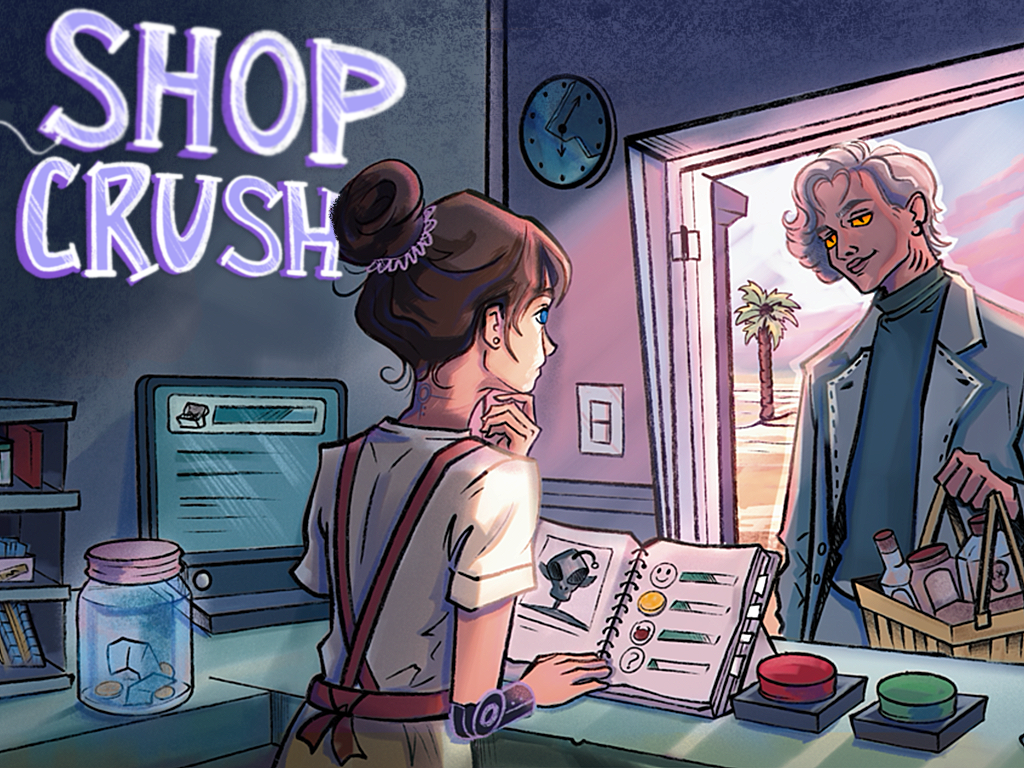
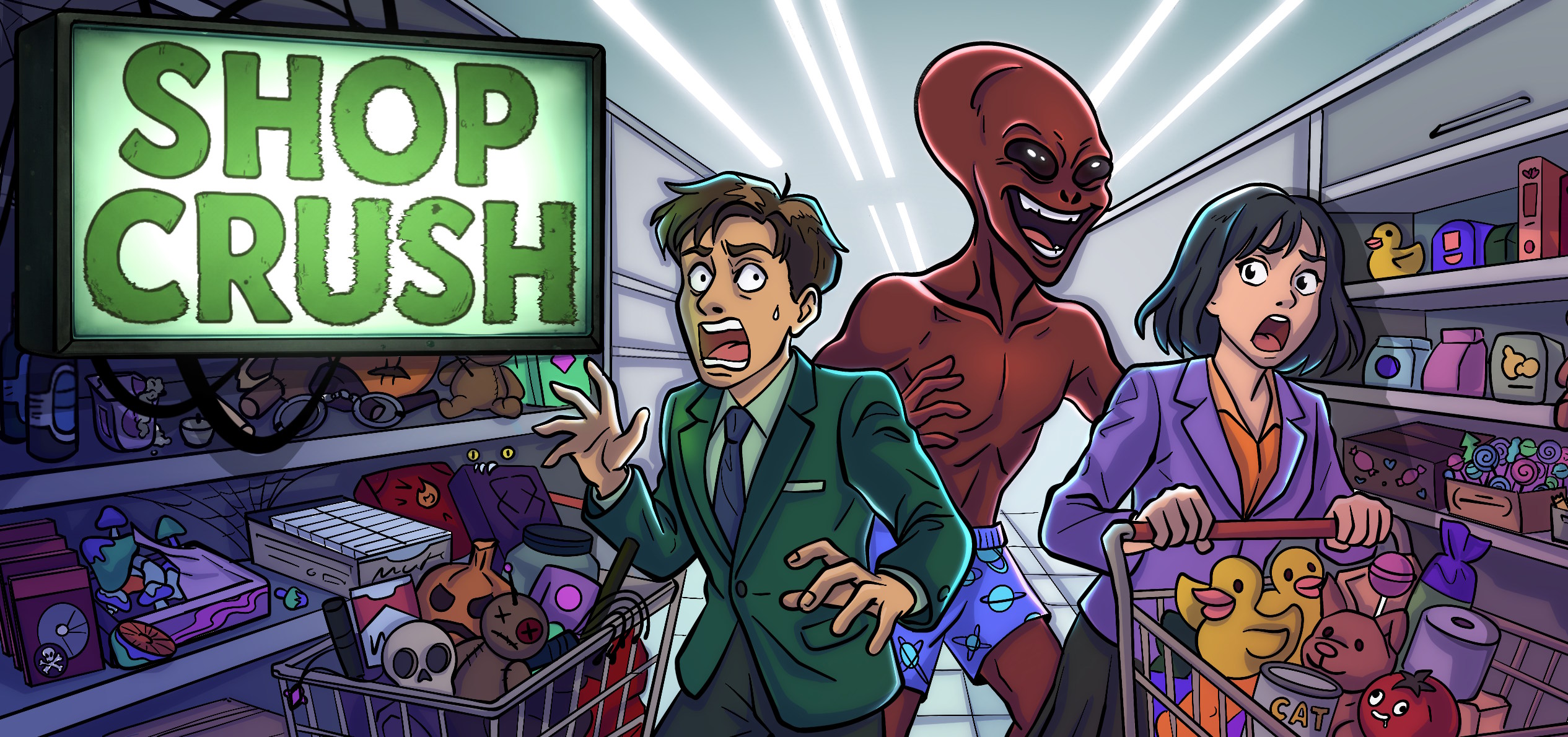
As a bonus, new key art made by our artist Maria.
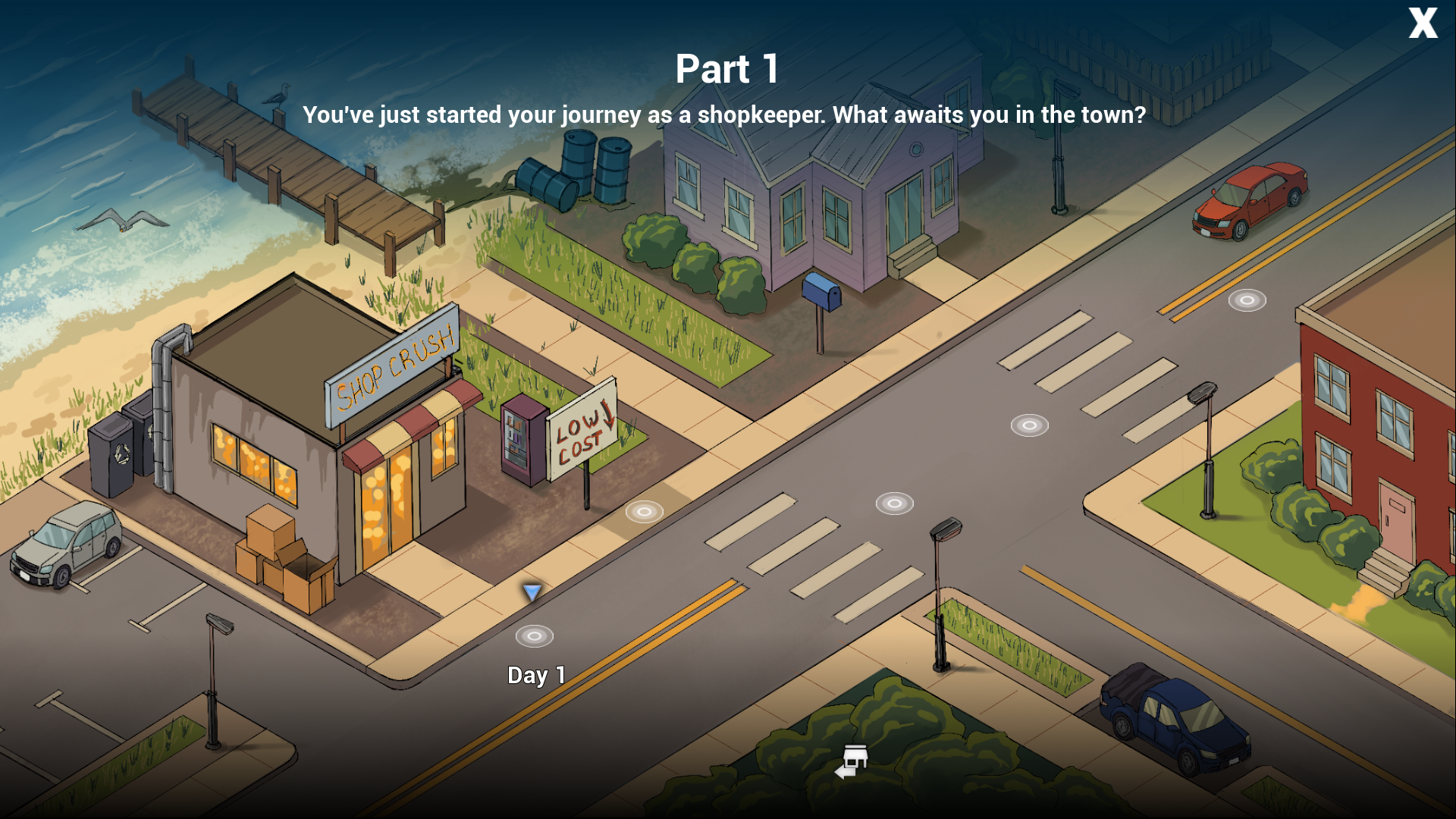
Good morning, friends!
Over the past couple of weeks, we’ve been busy working on a playtest build for everyone interested.
So far, we’ve added great improvements to the game:
P. S. The playtest will start next Friday evening EST.
See you there!
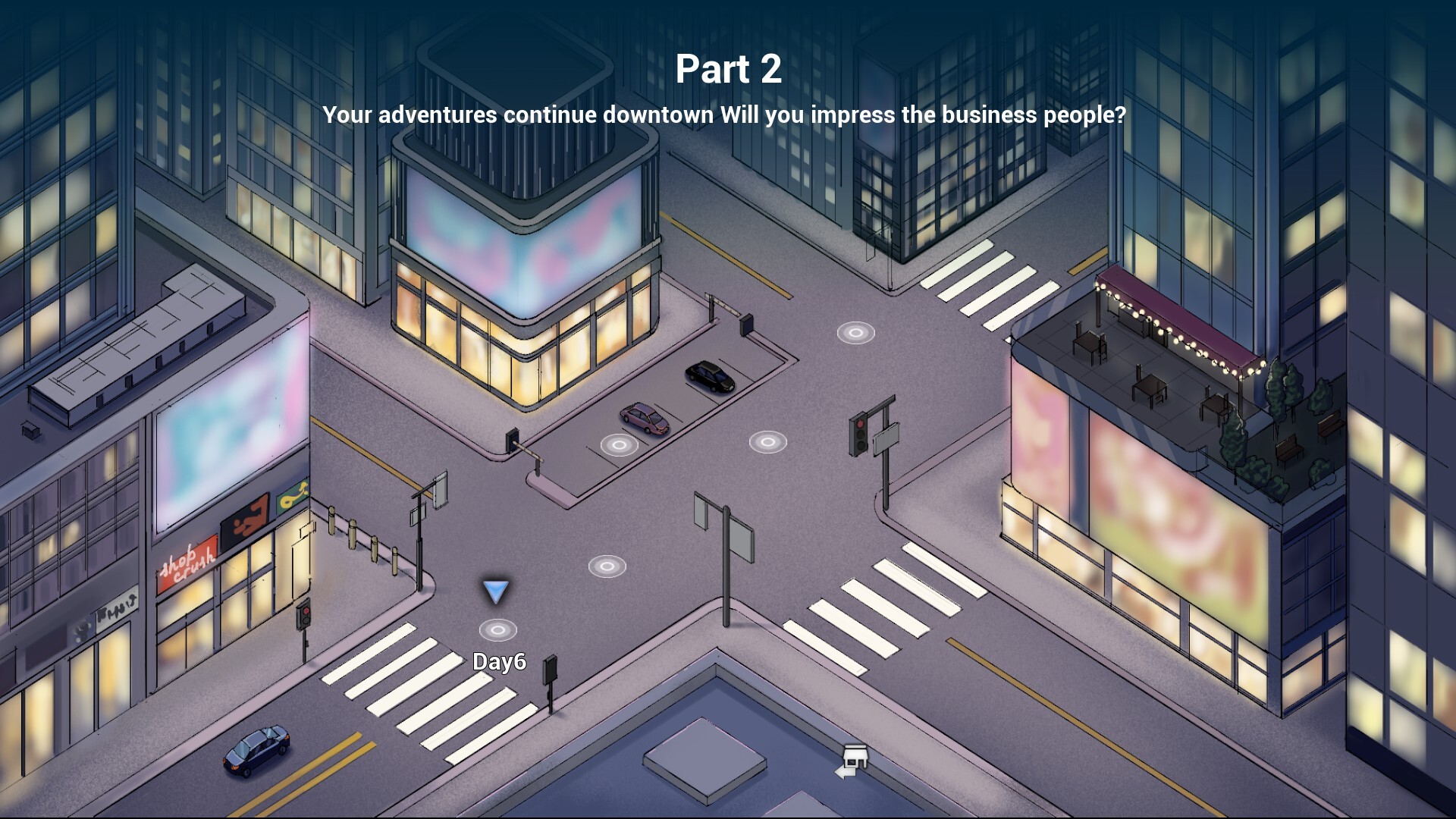
(Image of the new chapter system)
Long time no see!
Adding more characters…
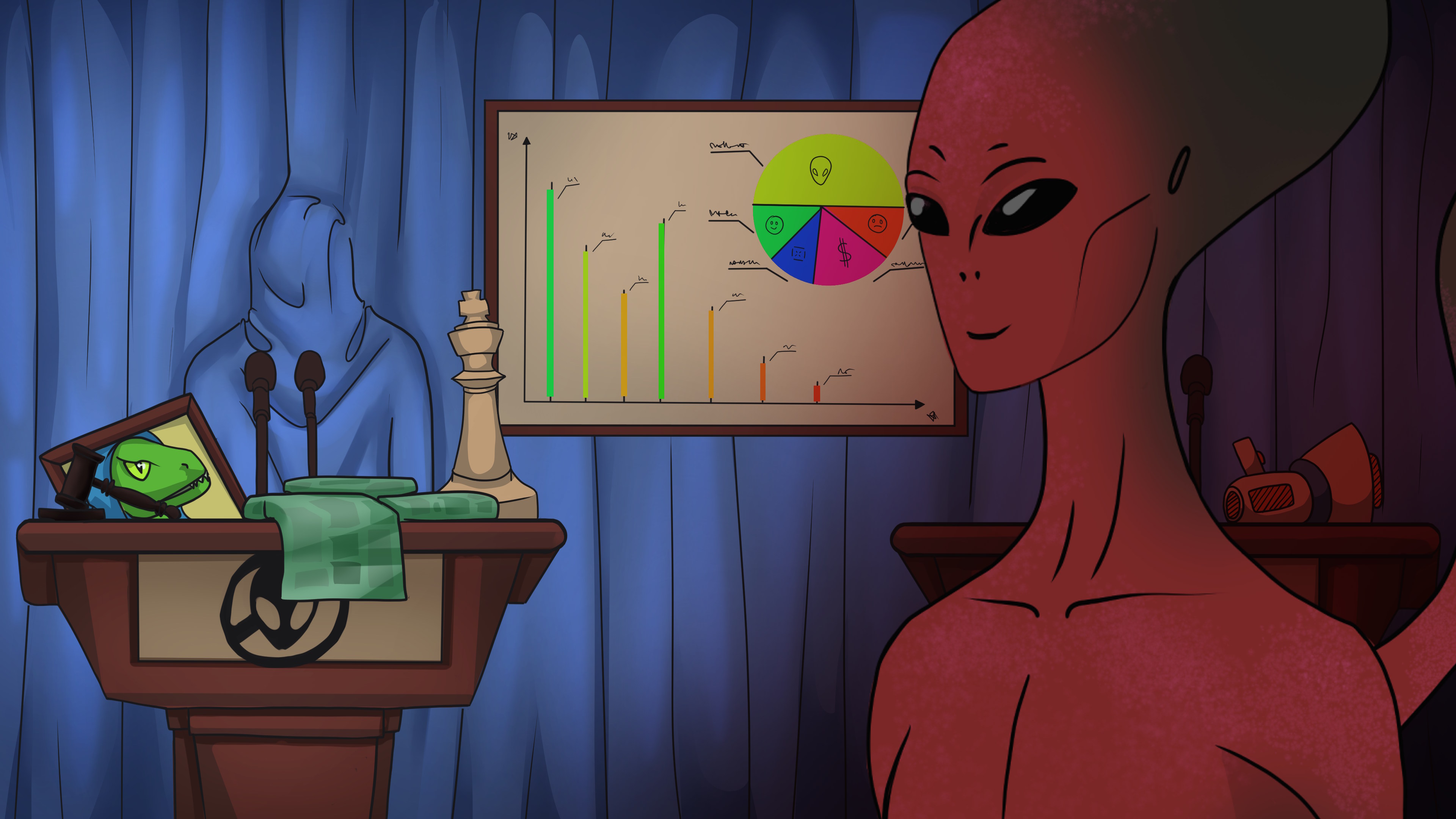 Alex
Entrepreneurs can rarely influence a mayor, though they enjoy good price talks. Negotiations are what made them mayors.
Alex
Entrepreneurs can rarely influence a mayor, though they enjoy good price talks. Negotiations are what made them mayors.
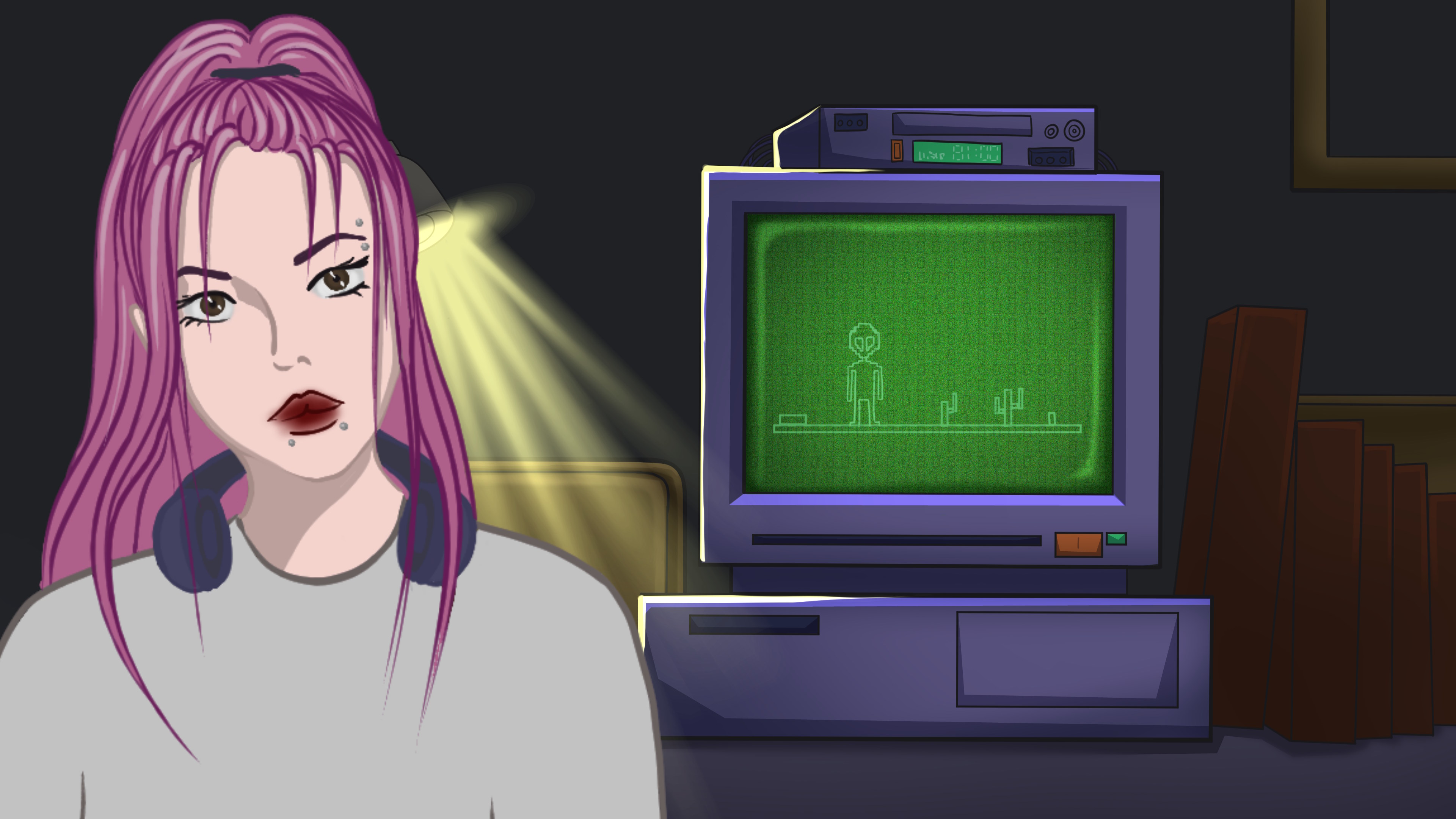 Nata
They might buy simple groceries to hide the offshore activity. Or make a fake purchase to exploit their taxes. Sometimes, they buy regular geek stuff and threaten to take down your store for fun.
Nata
They might buy simple groceries to hide the offshore activity. Or make a fake purchase to exploit their taxes. Sometimes, they buy regular geek stuff and threaten to take down your store for fun.
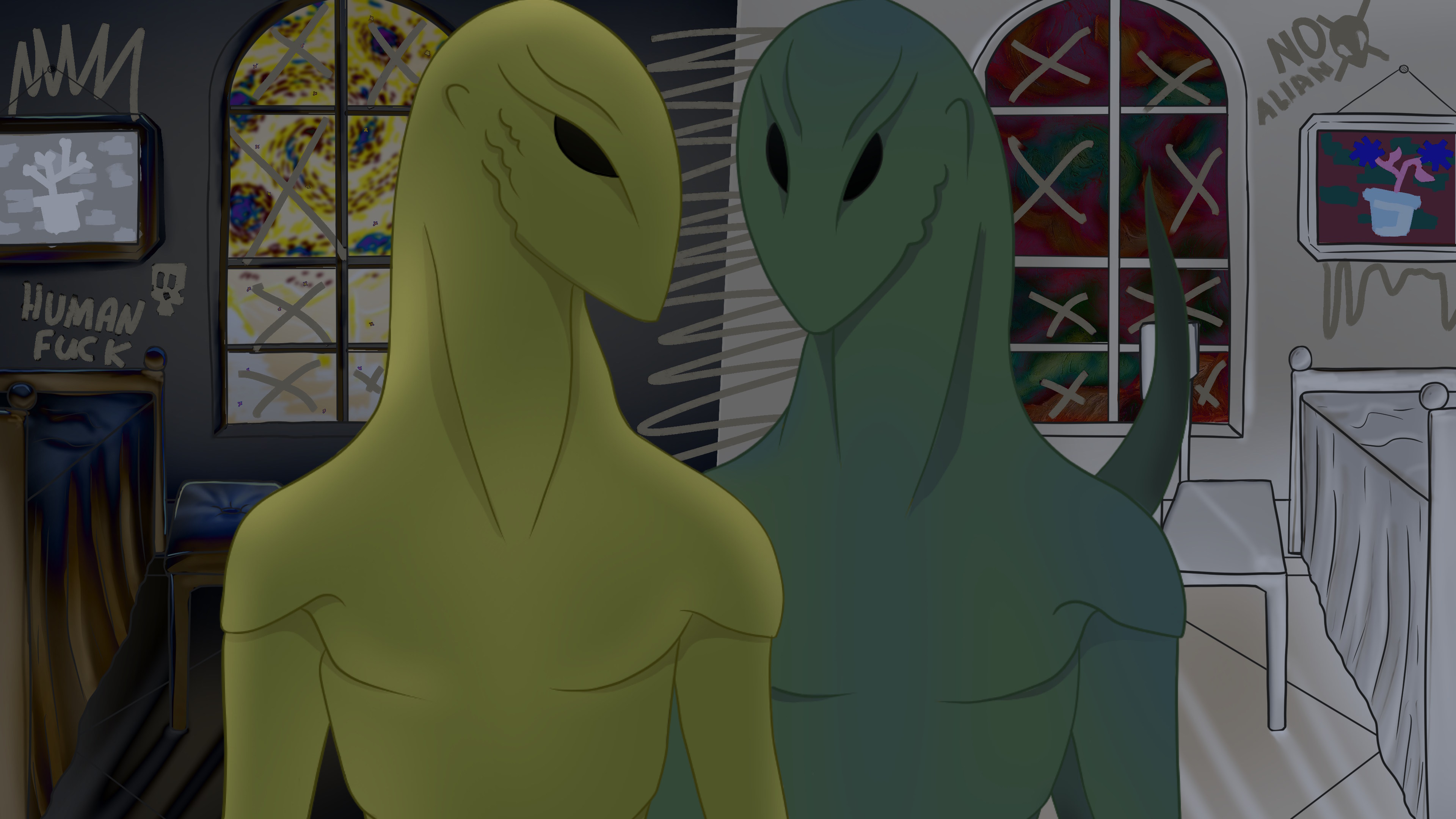 Sibs
These sibs only look similar. They have opposite tastes and disagree with each other all day! Because of their unpredictability, they could be valuable clients for either profit or reputation gain.
Sibs
These sibs only look similar. They have opposite tastes and disagree with each other all day! Because of their unpredictability, they could be valuable clients for either profit or reputation gain.
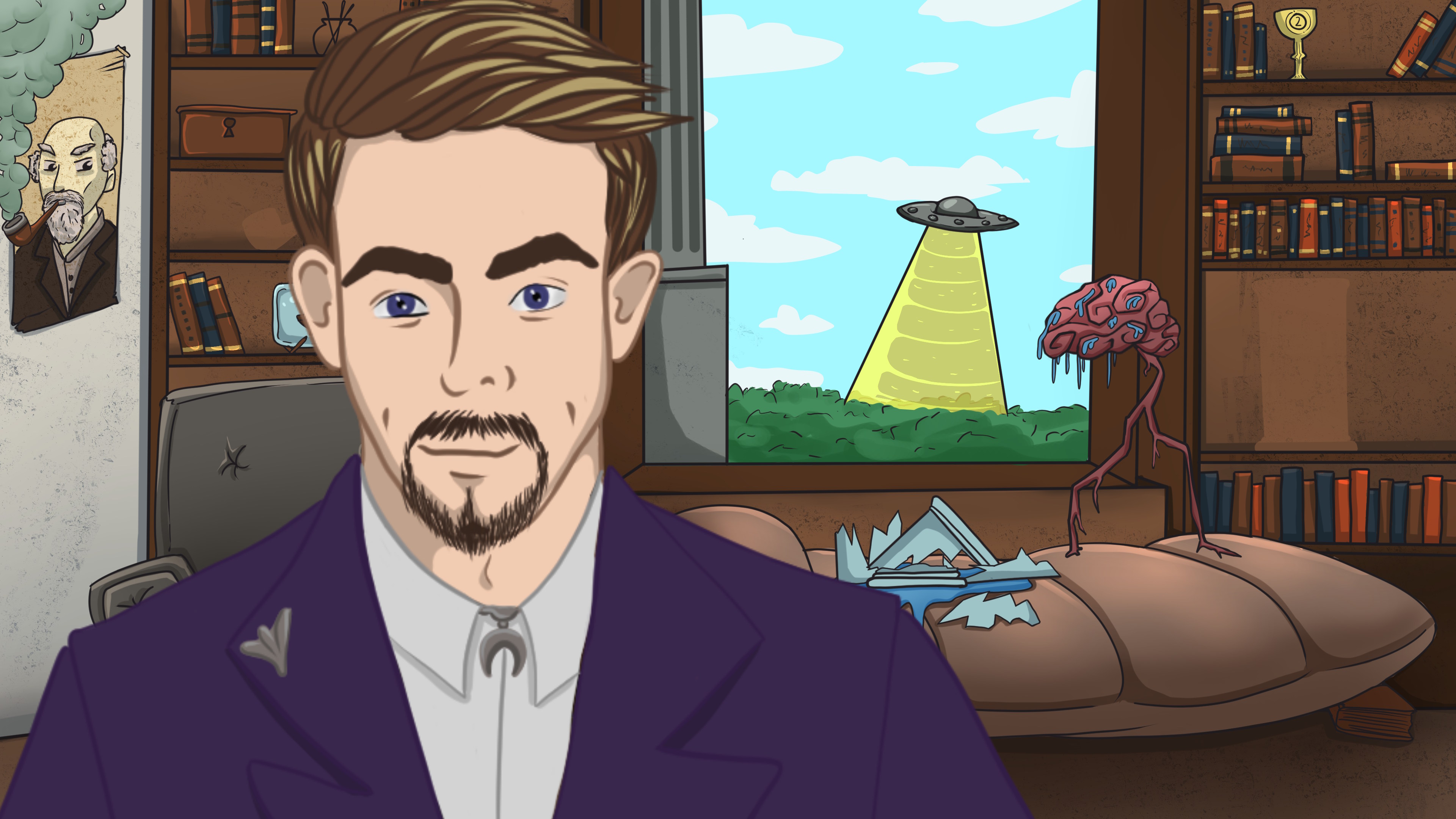 Kaycey
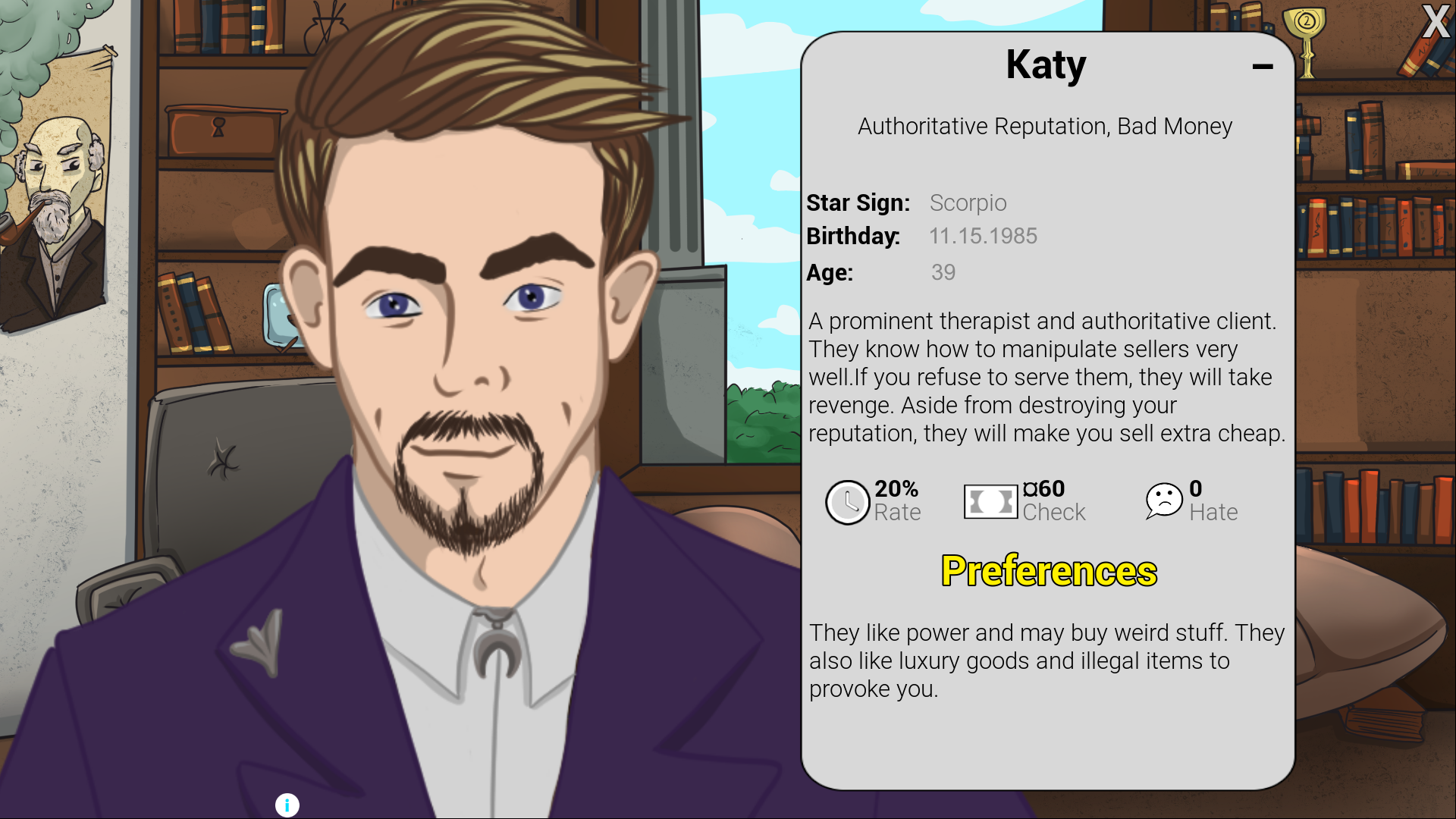
A prominent therapist and authoritative customer. They know how to manipulate sellers very well. If you refuse to serve them, they will take revenge. Aside from destroying your reputation, they will make you sell at a much lower price.
Kaycey
A prominent therapist and authoritative customer. They know how to manipulate sellers very well. If you refuse to serve them, they will take revenge. Aside from destroying your reputation, they will make you sell at a much lower price.
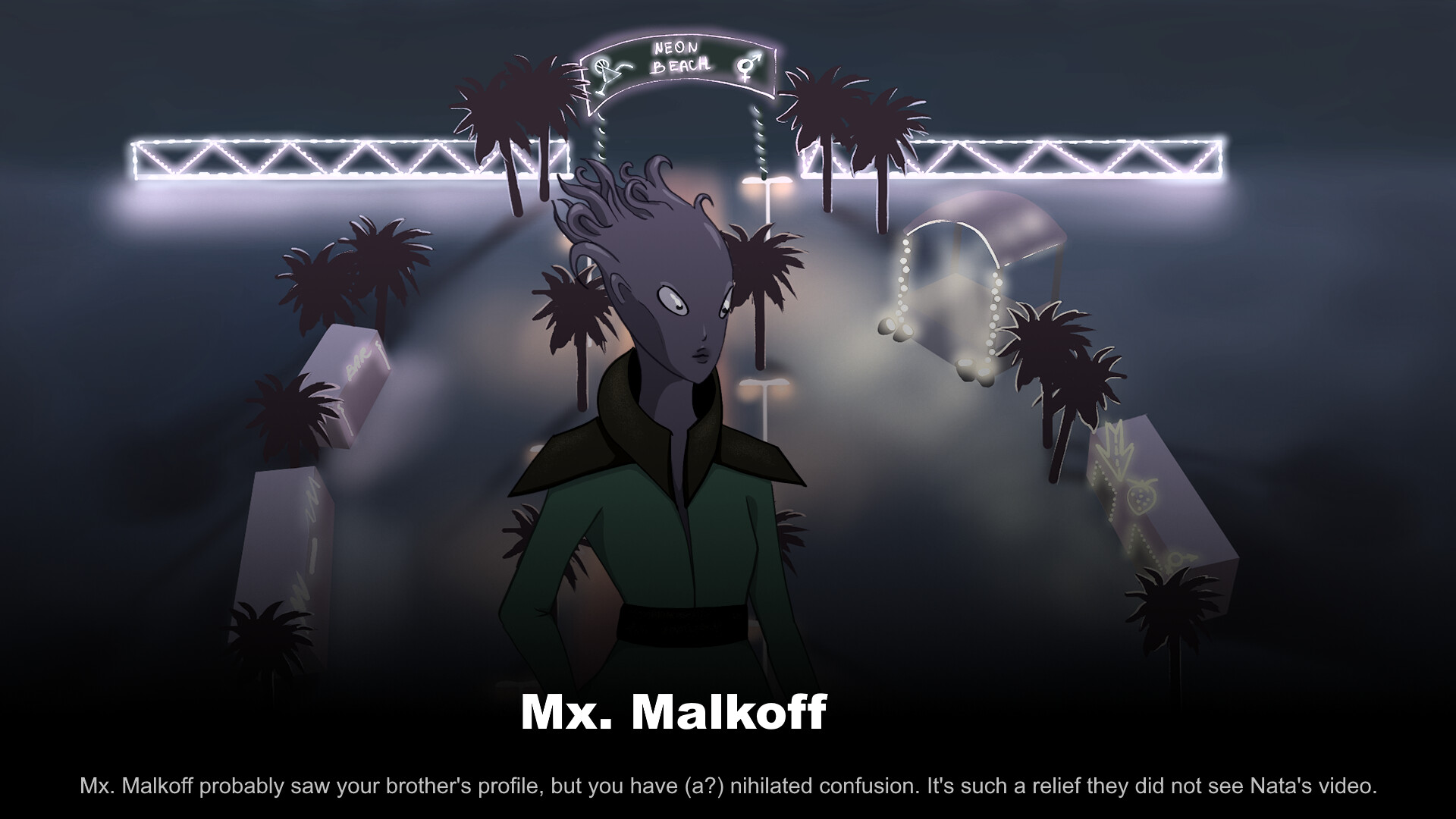
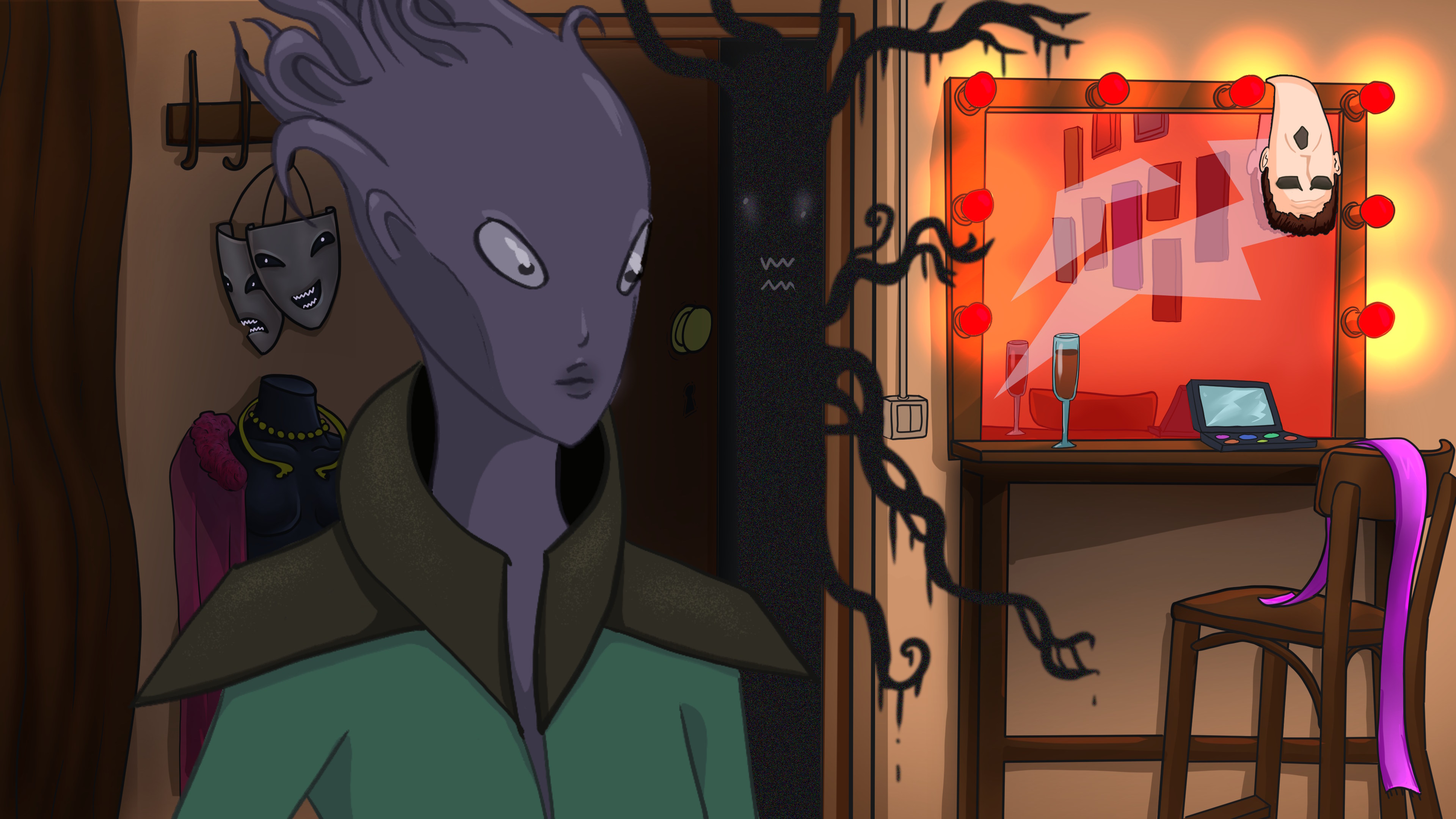 Mx Malkoff
Highly intelligent, careful, and delicate buyer. Claire has exquisite taste and expects things to impress them. Claire likes their favorites and is willing to sponsor them greatly. Rare to visit, though.
Mx Malkoff
Highly intelligent, careful, and delicate buyer. Claire has exquisite taste and expects things to impress them. Claire likes their favorites and is willing to sponsor them greatly. Rare to visit, though.
Adding a bit of info about the characters:
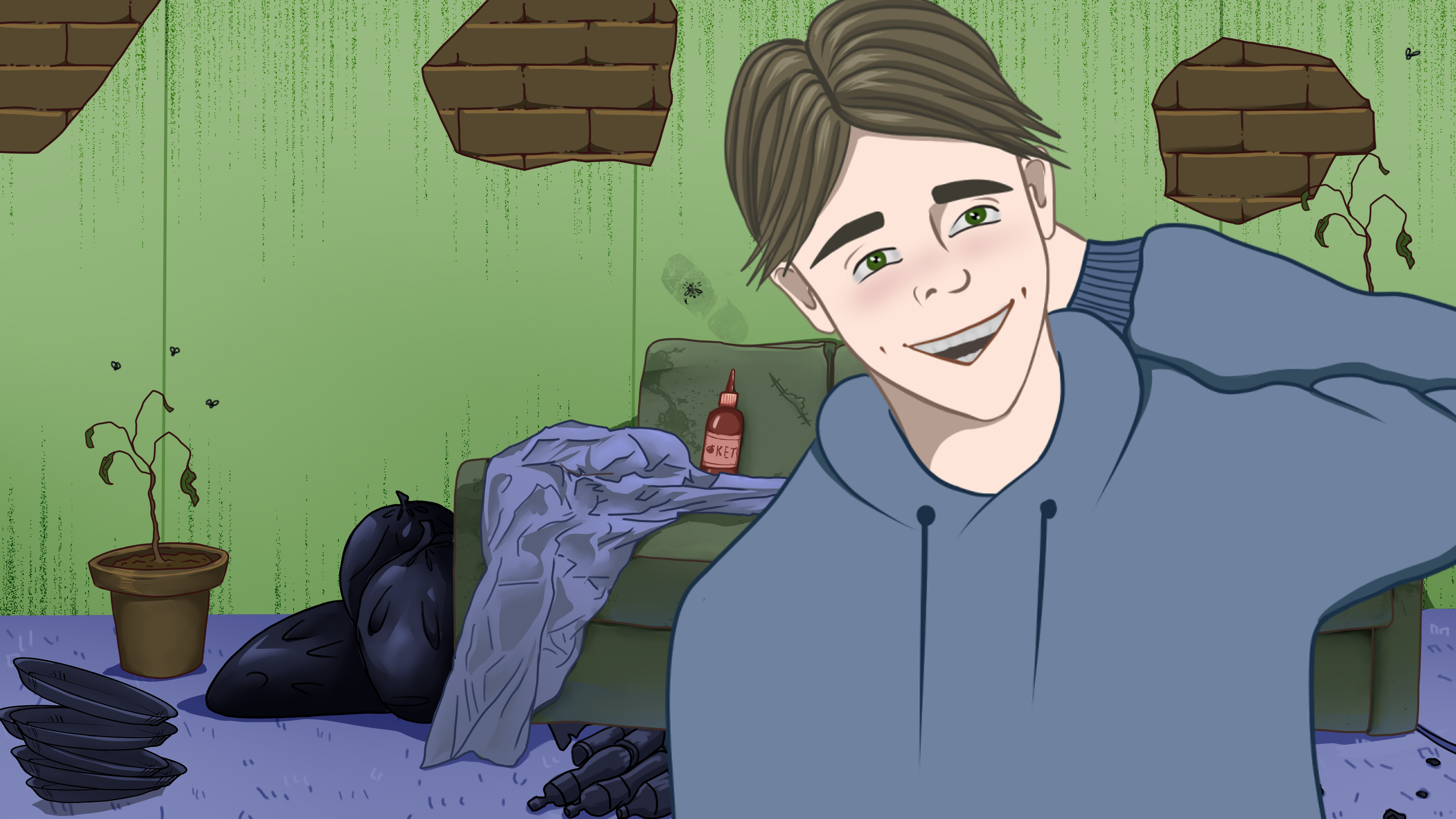
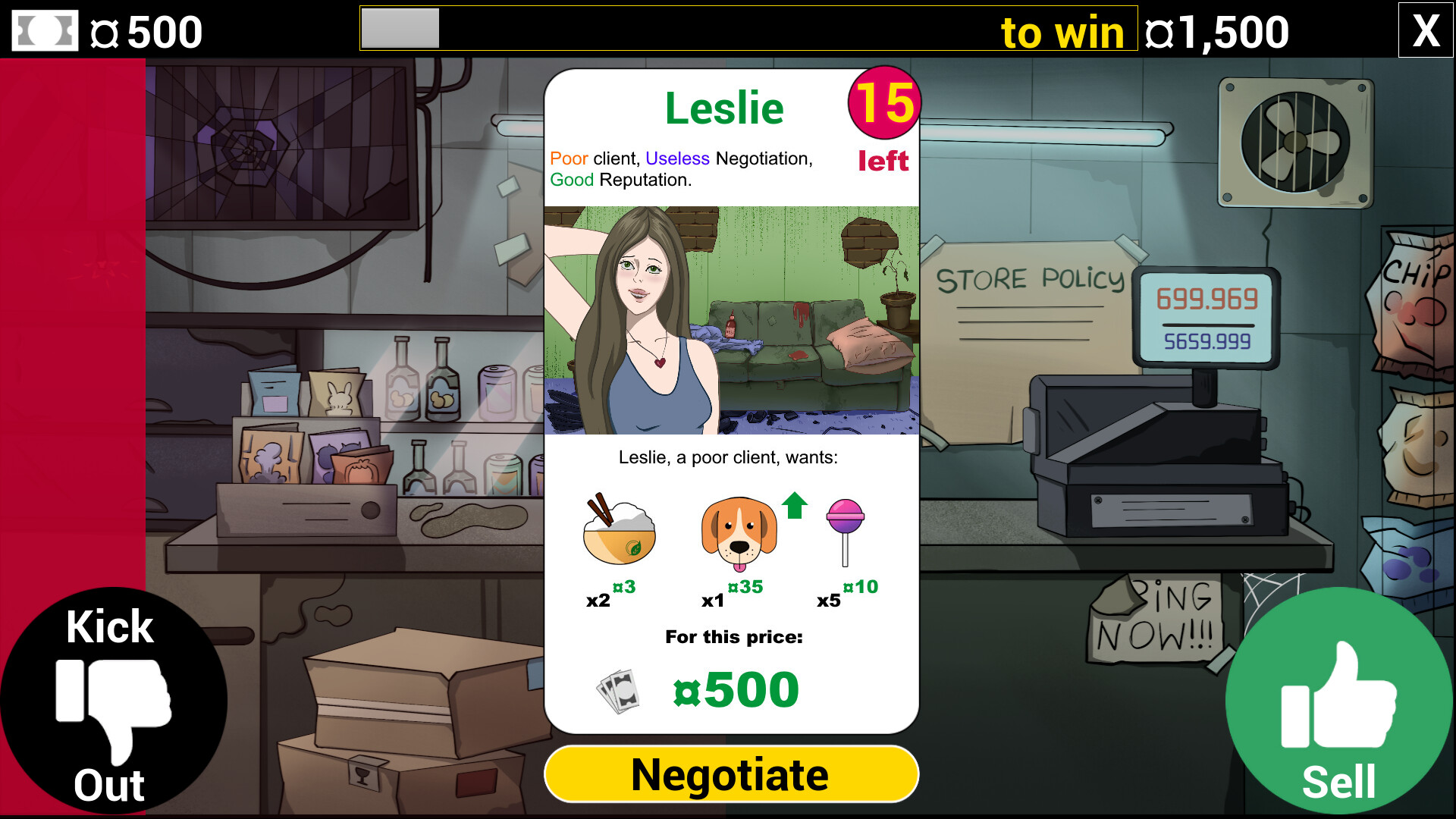
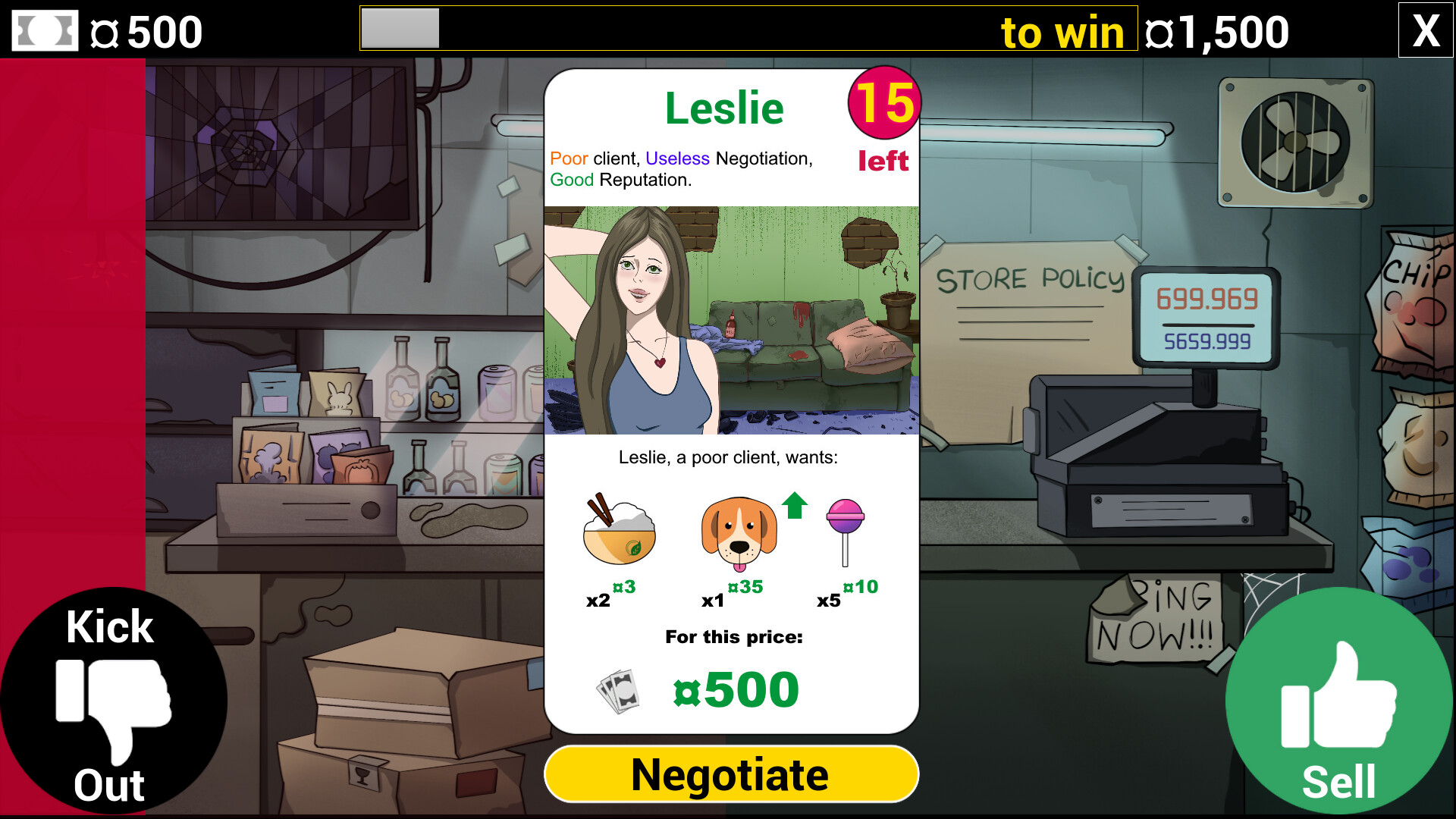
Leslie A poor customer who usually buys trash. Sometimes, you may get a good offer from them. You will always have a small profit if you sell them cheap stuff for a tiny margin.
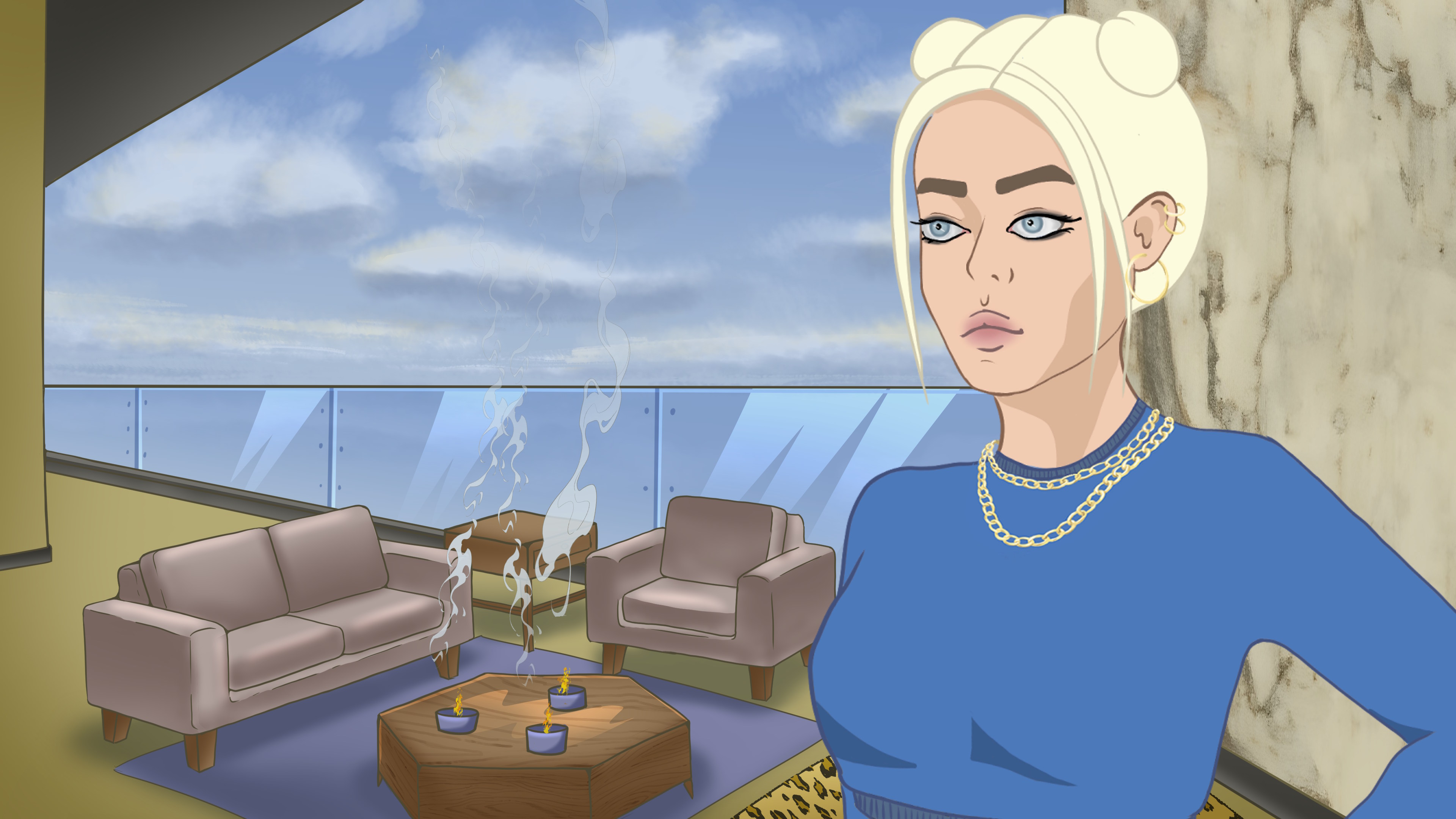
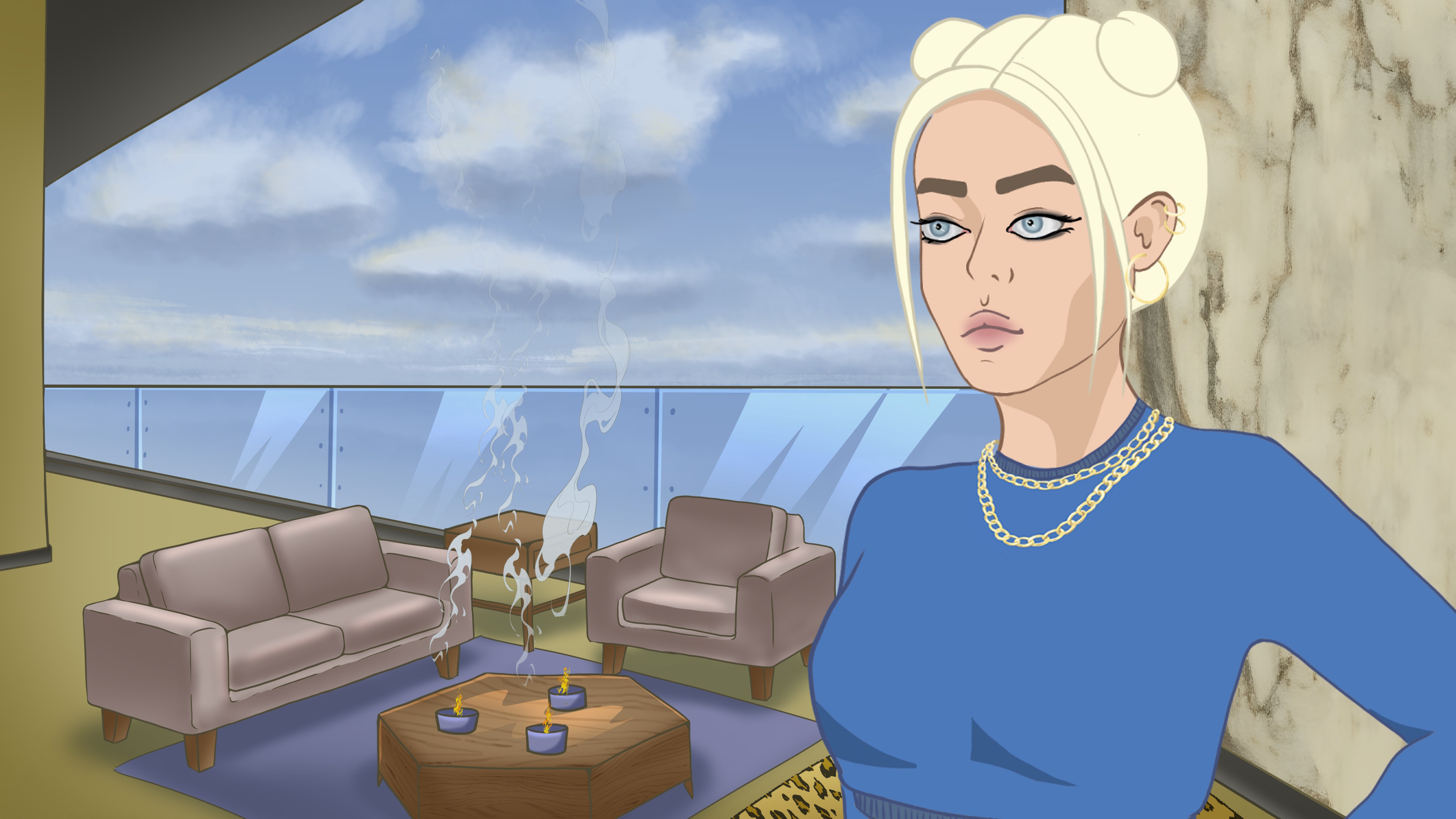
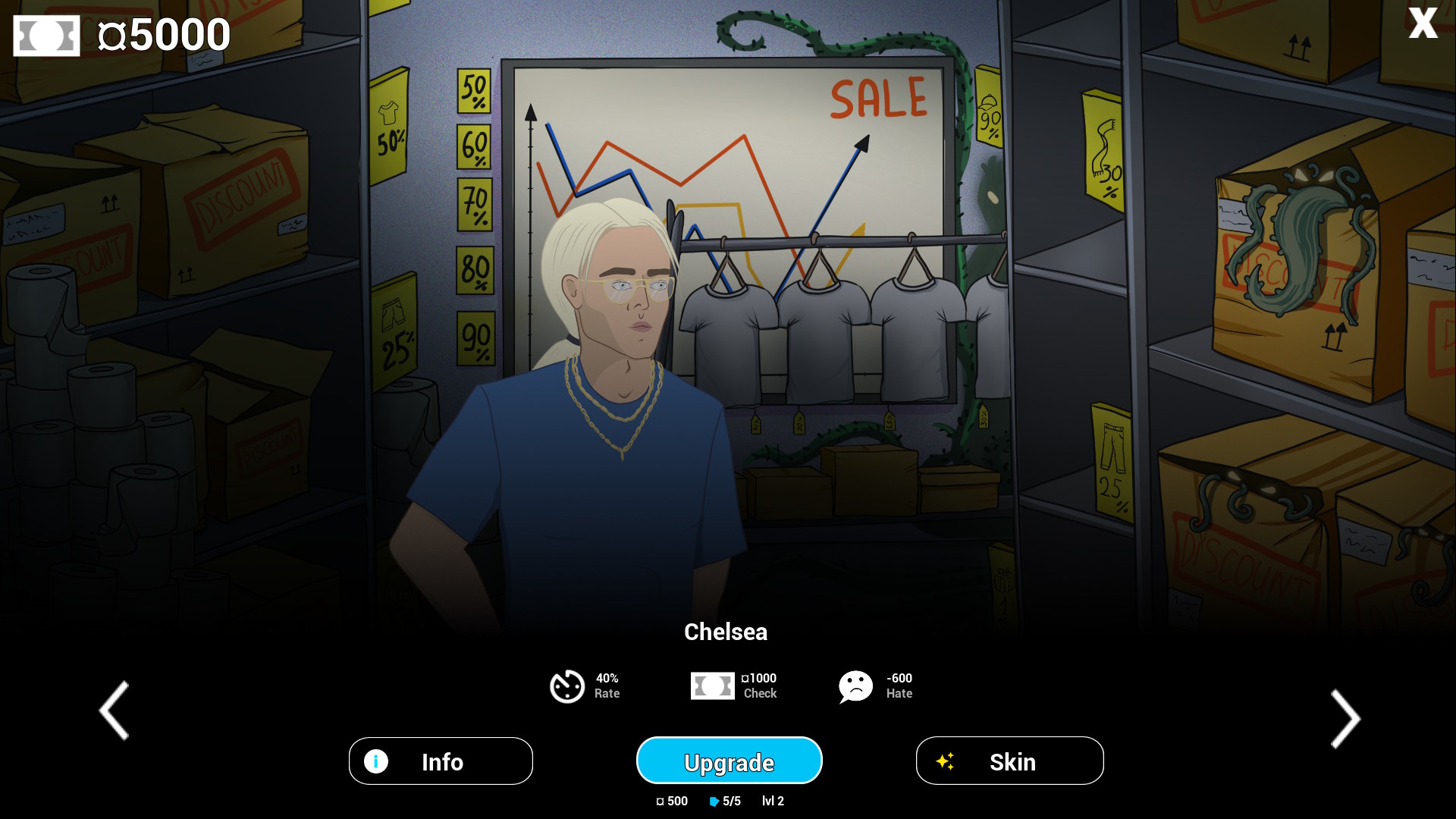
Chelsea This customer likes shiny stuff and may overpay for it. If you balance profit and reputation, you may succeed. If you decline to serve Chelsea, your shop’s reputation will improve.
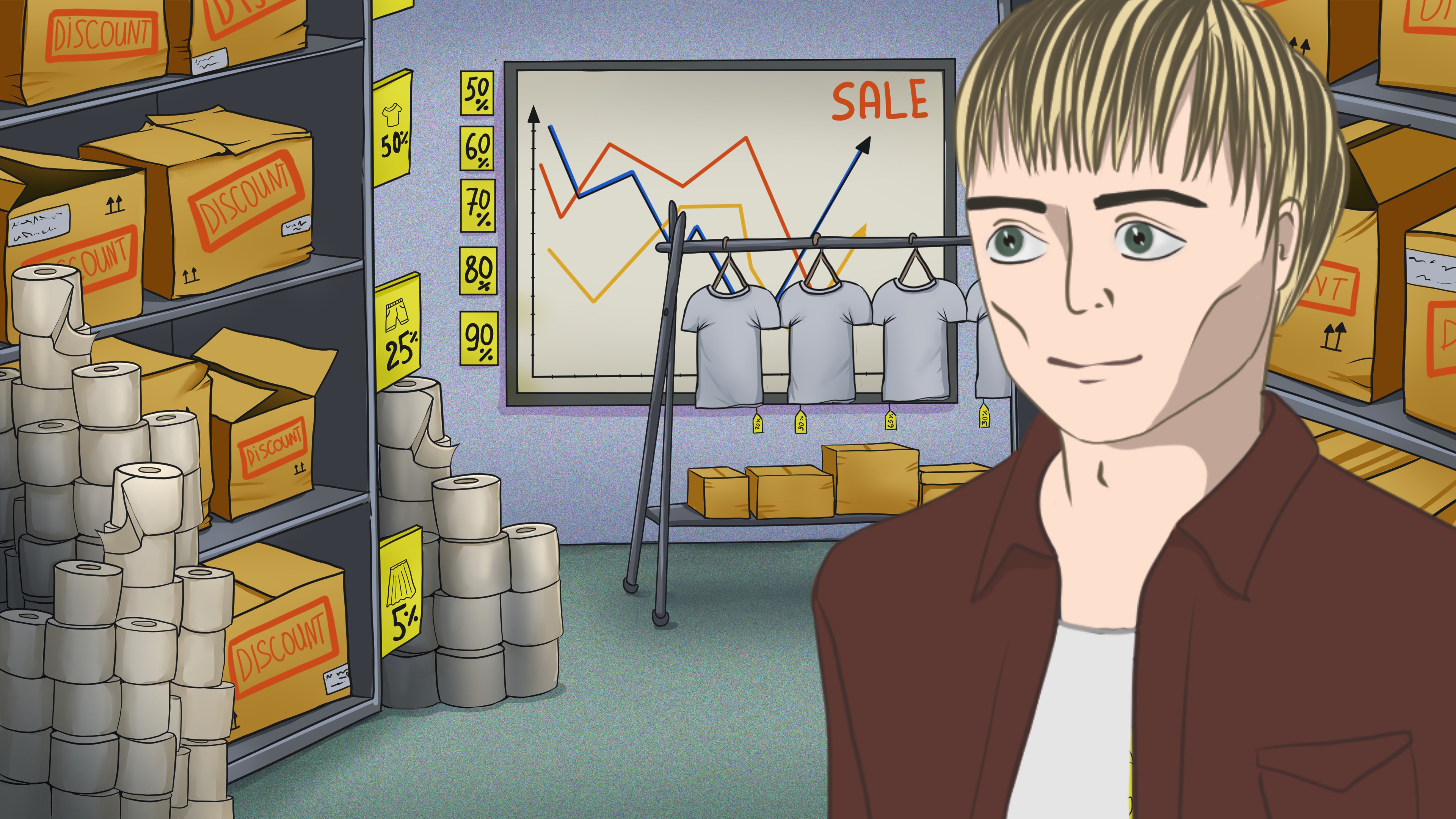
Brinley A Coupon Hunter customer. Likes good deals and cheap items. Brinley guarantees you a small margin of income.
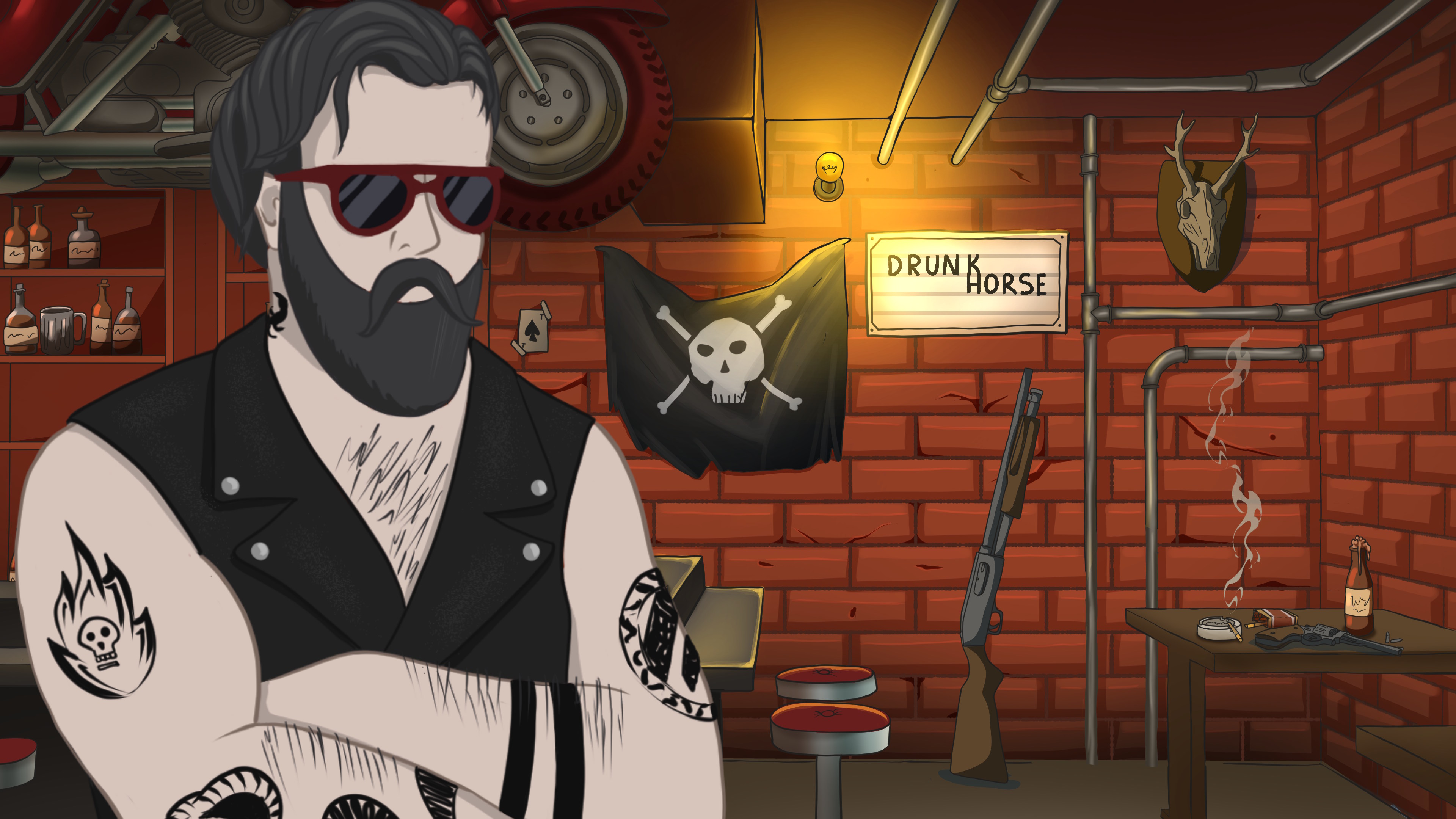
Zoe A highly passionate customer with unique values. Zoe likes people who agree with them. If you agree, Zoe might give you generous payback regarding profits and reputation.
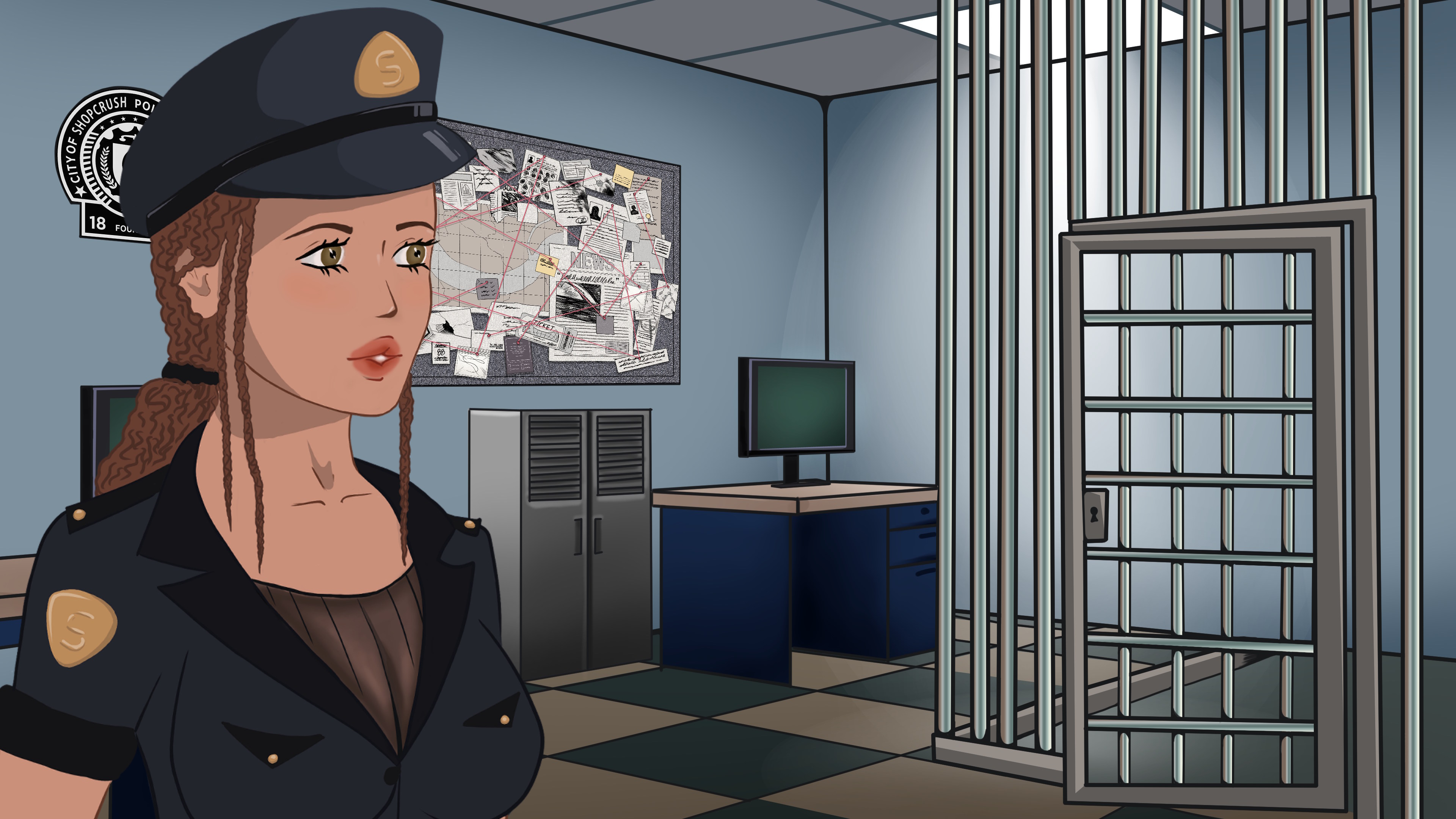
Casey An inspector playing their own game. They might confiscate some of your items and demand a fine. If you refuse to pay, it will save you money, but not your reputation.
Thanks!
Yes, every customer has their own preferences, tastes, and gameplay behavior - how they buy products, how much they pay, how much hate they give.
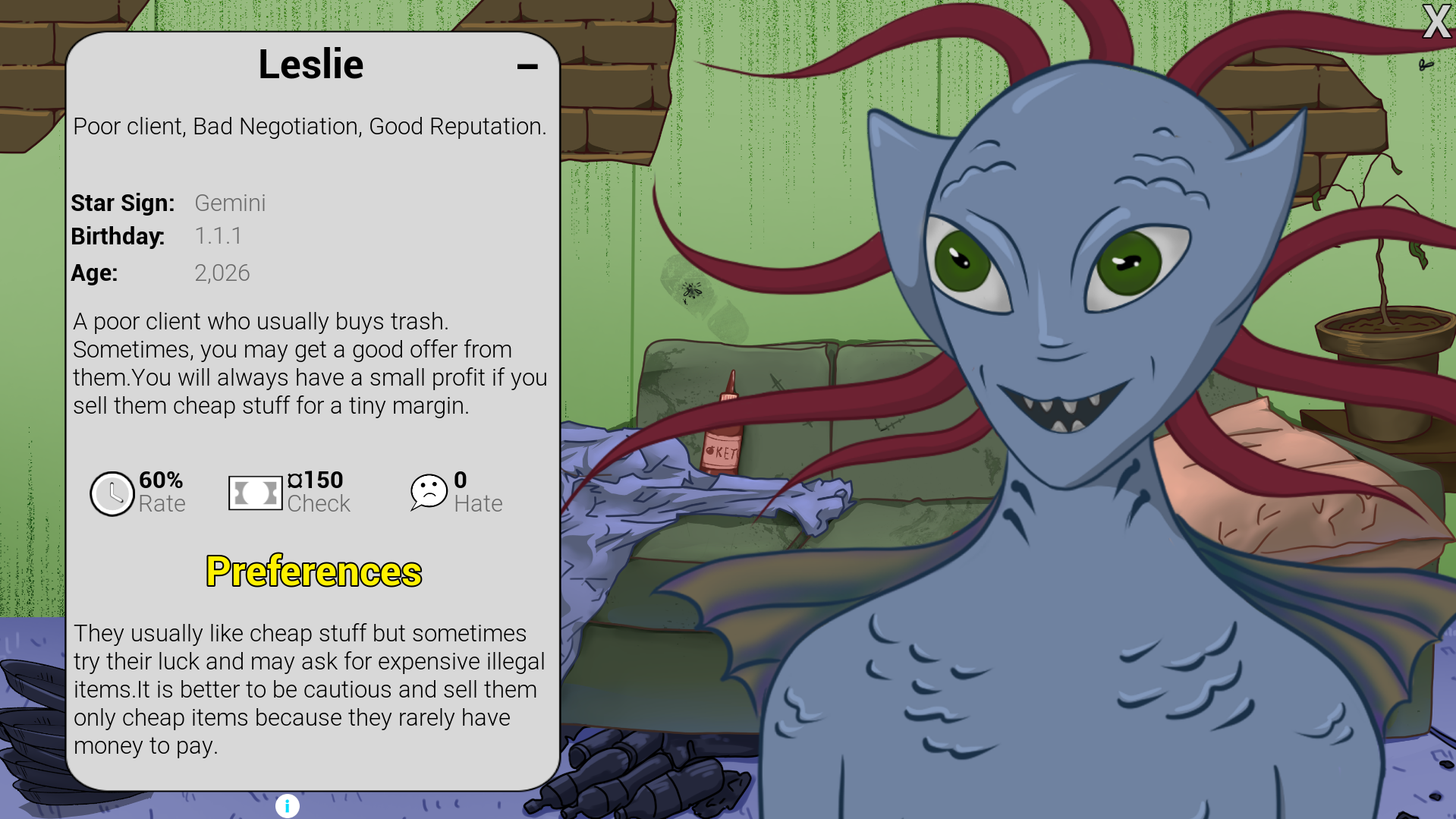
Looks kinda like this. Players must learn about the customers, what they like, what they don’t like, and their personalities.
And also, every customer has an illusion connected to them.

About the game
The game I’m working on is a hybrid Visual Novel shop management game called Shop Crush.
In Shop Crush, you run a dusty, cluttered shop where every customer is a puzzle. You have to study their profiles, learn their tastes, and figure out their deep, often unhealthy obsessions with certain types of items. And their backstory.
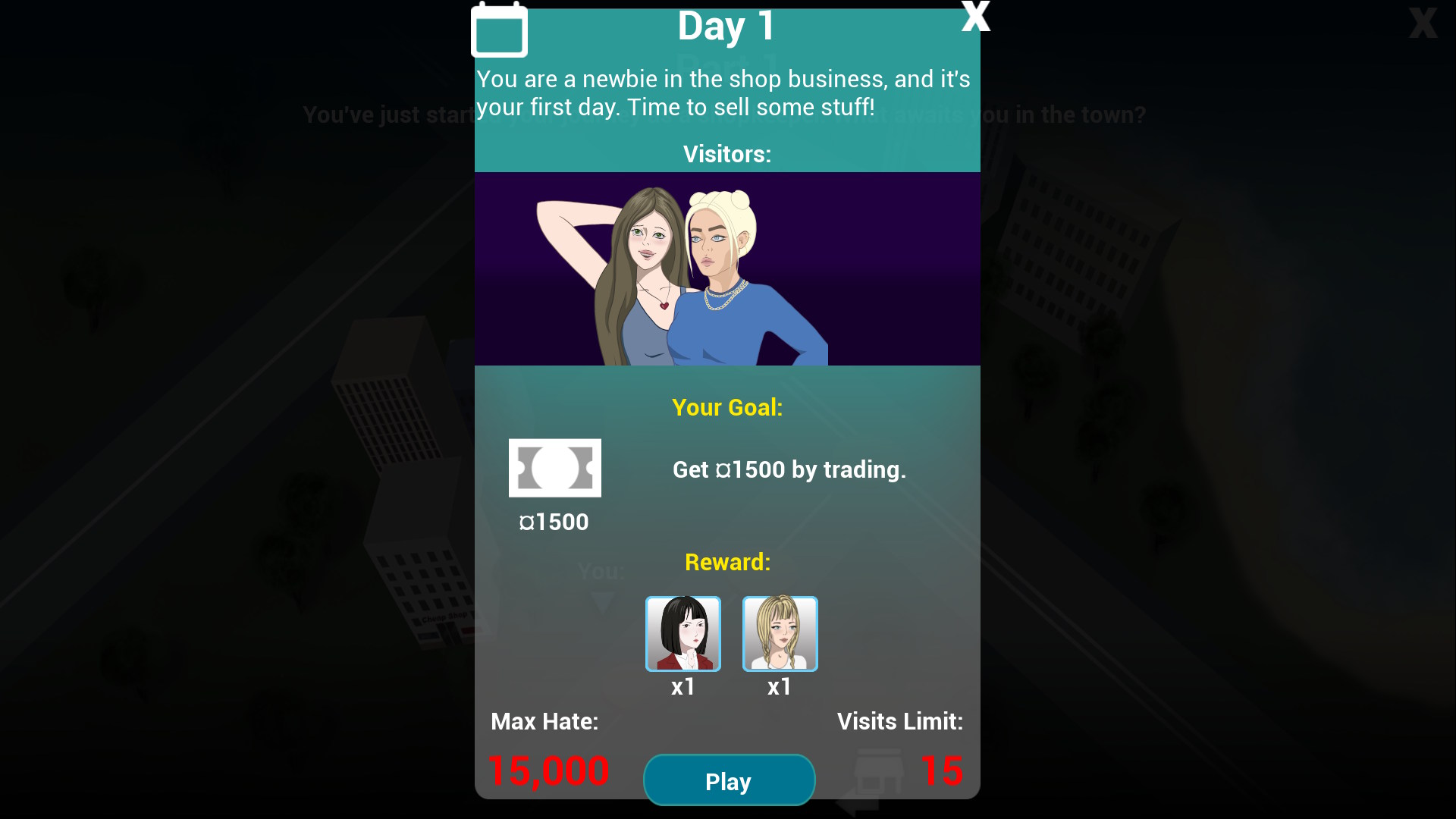
The core gameplay is an economic choice-based game, where you have to choose between customers’ offers and your shop’s reputation (think Reigns series).
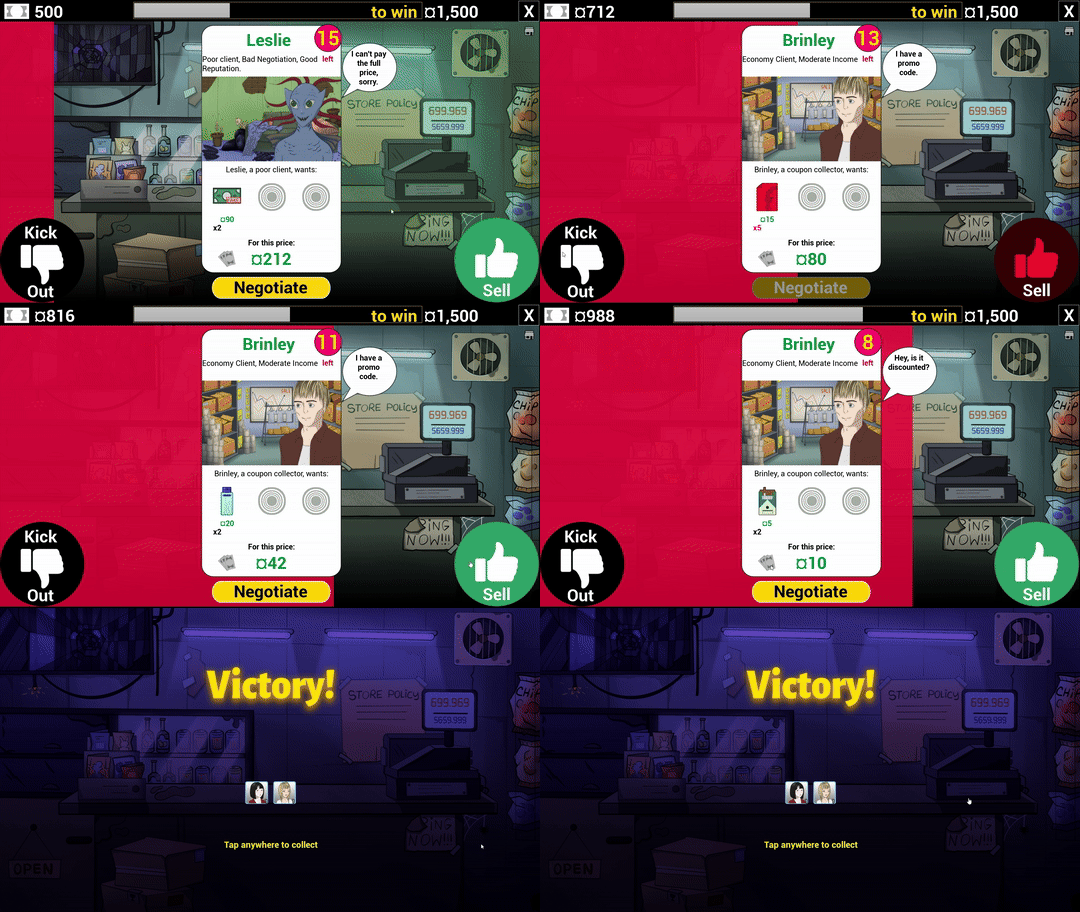
The Bigger Picture
The gameplay isn’t about flipping prices for profit. As you dig deeper into your customers’ profiles, you realize that nobody is here by accident. The game has 3 components in structure:
Trading: A tactical battle of nerves. You must balance your own greed against their hatred, using their personal traits to justify higher prices. But you always have a limited number of turns.

Narrative: Every customer has a backstory hidden behind their stats. It affects their shopping behavior - some customers are here for a good bargain, while others prefer something extraordinary. Behind the numbers lies a mystical history that slowly reveals why these people are drawn to this place.

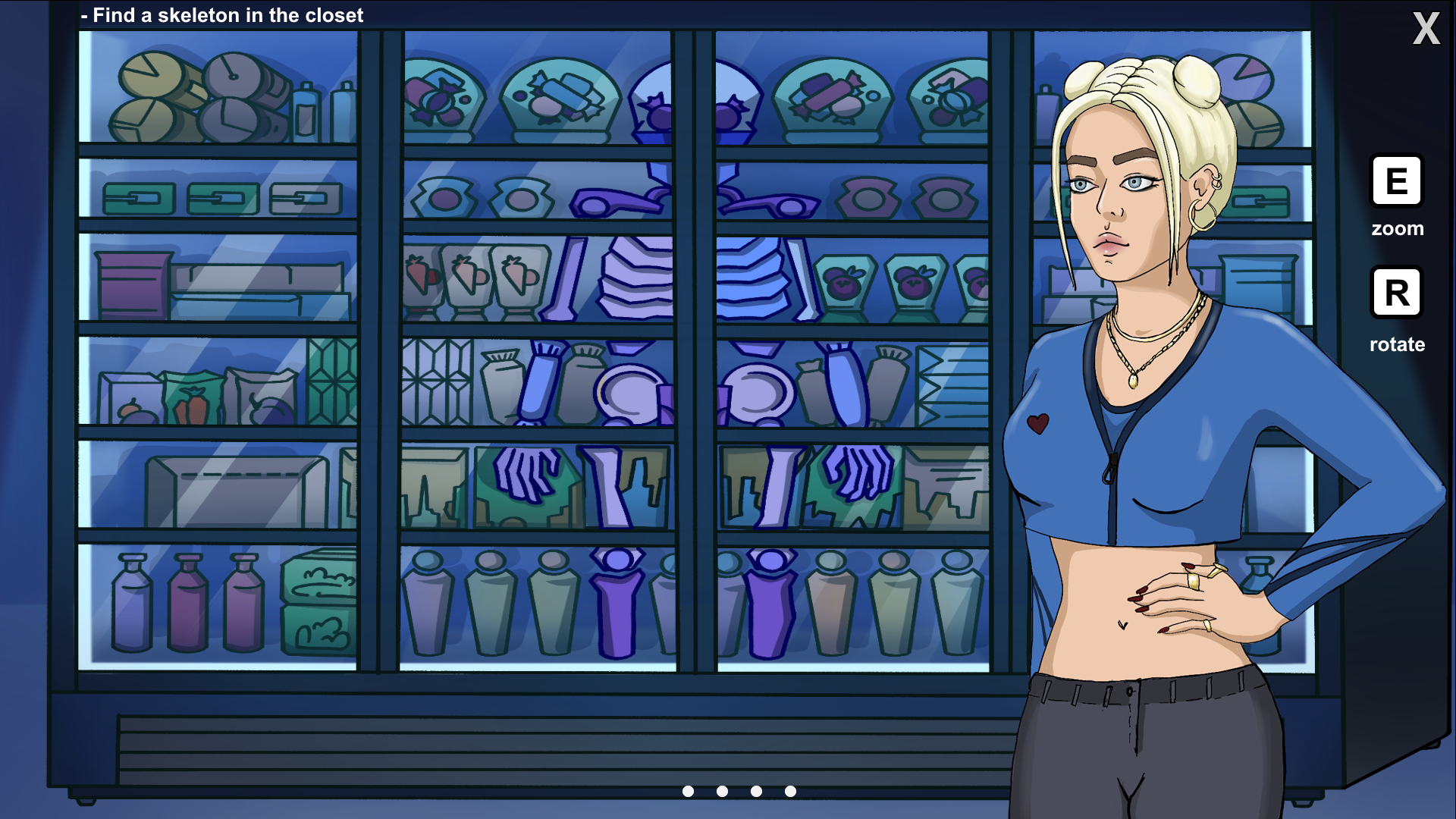
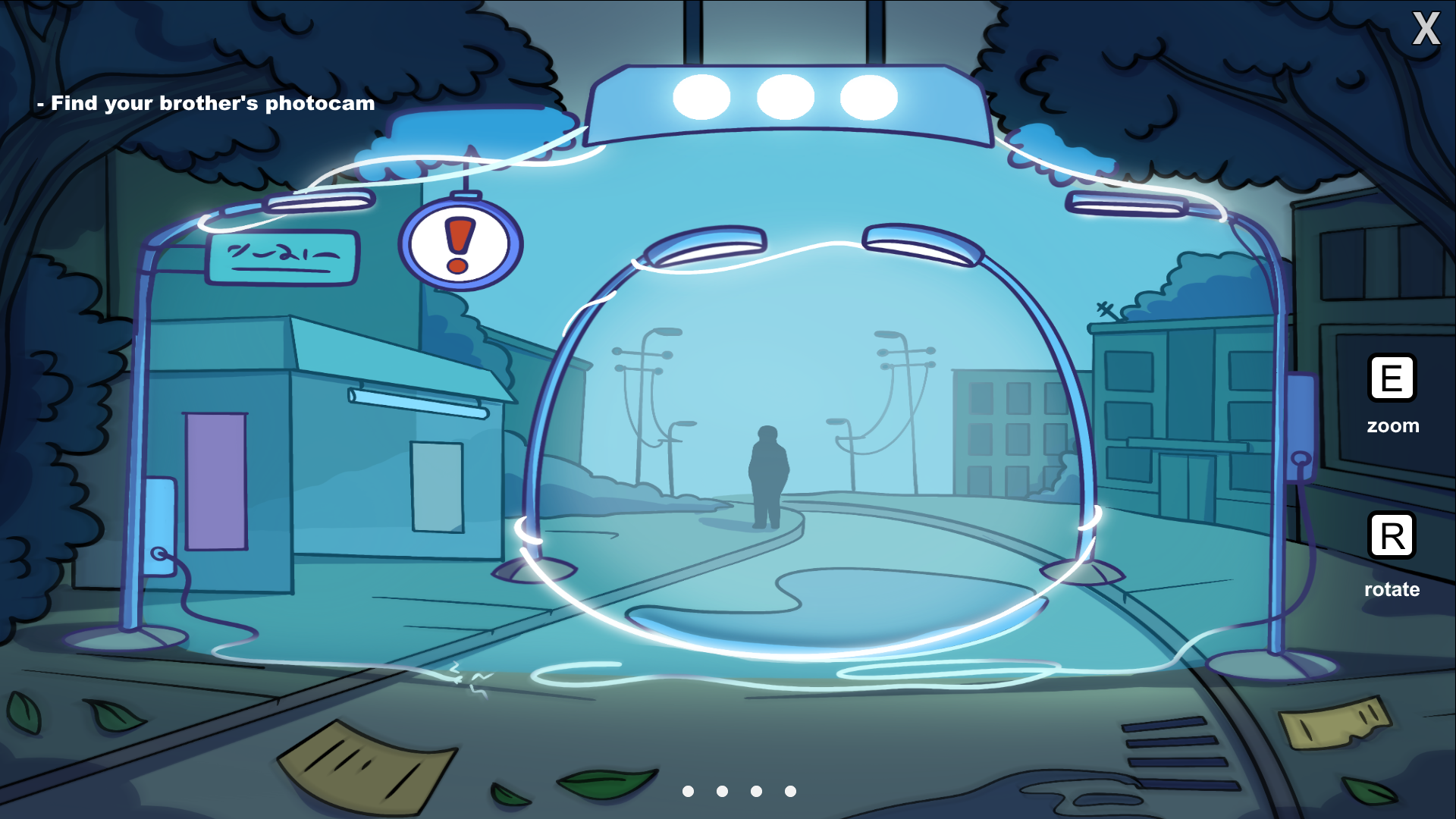
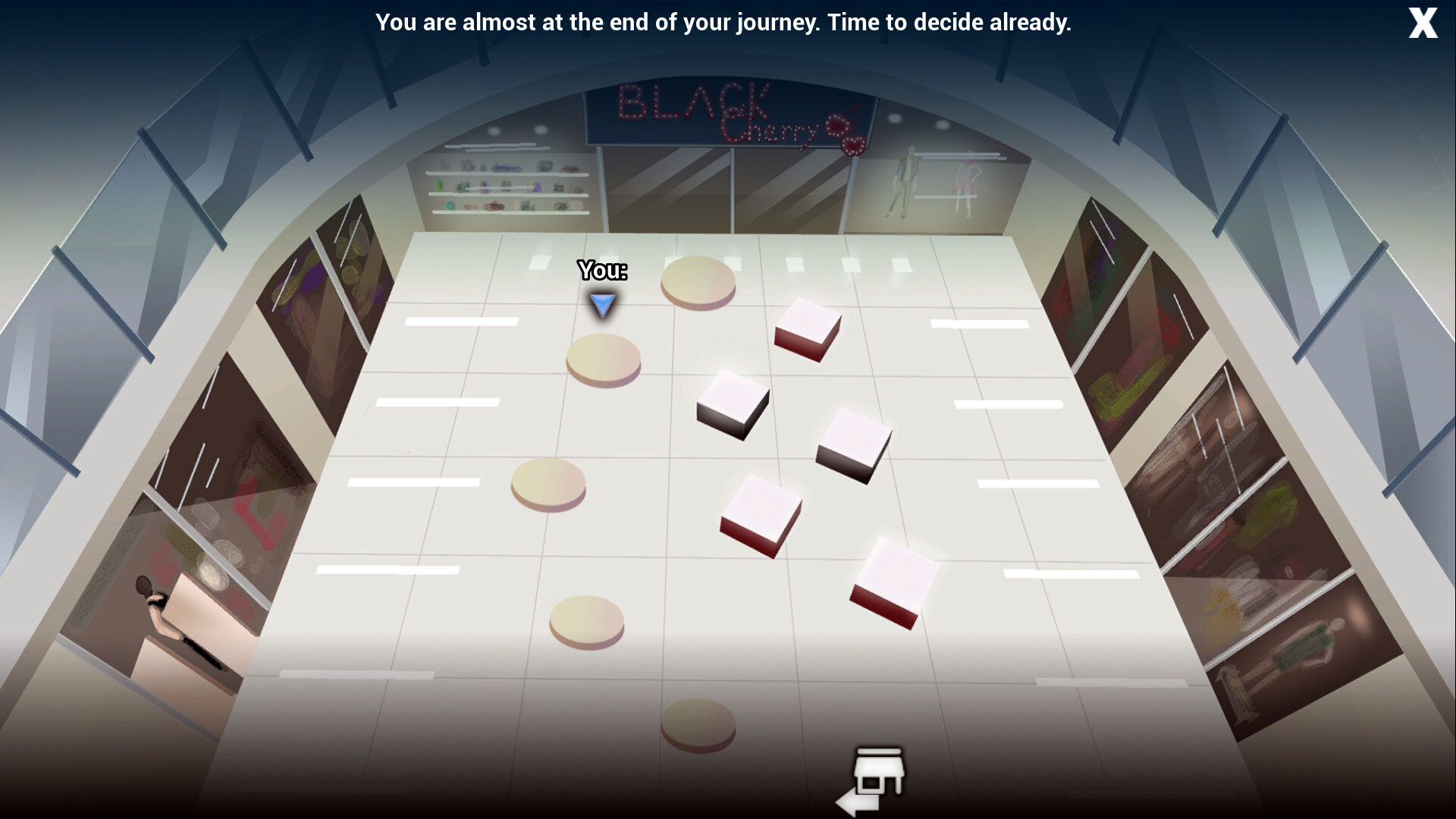
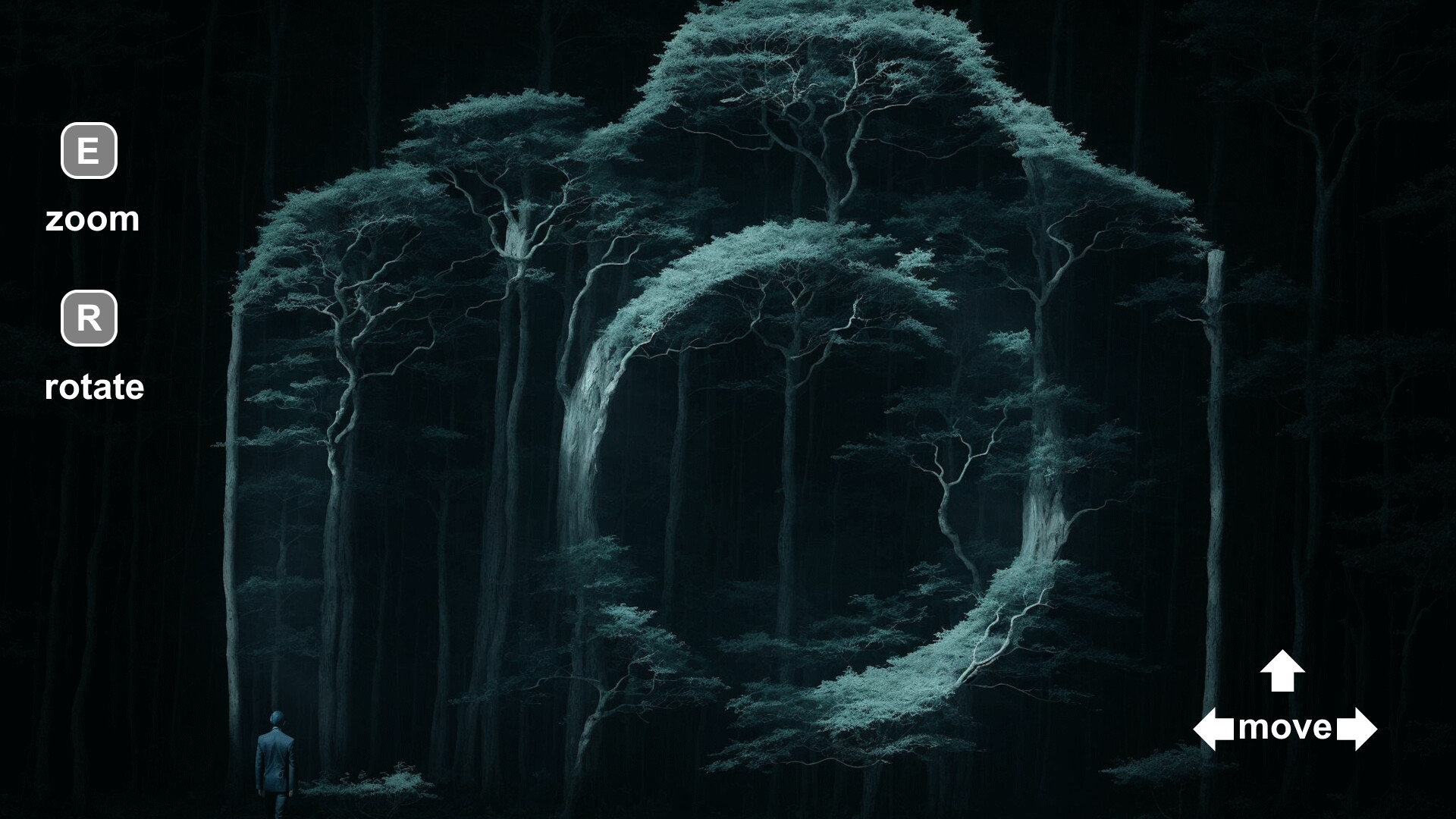
Illusions: This is where the management sim starts to bleed into horror. The things they bring in aren't always what they seem. To bridge the gap between shopkeeping and the surreal, I’m using Literal Illusions. By manipulating the puzzle, you discover specific angles where the geometry transforms, revealing a hidden meaning in the story.
Check the game trailer to see what I am talking about
These illusions are the link between a customer’s obsession and the dark reality of the shop. Sometimes, finding the truth is the only way to understand the person standing across the counter.
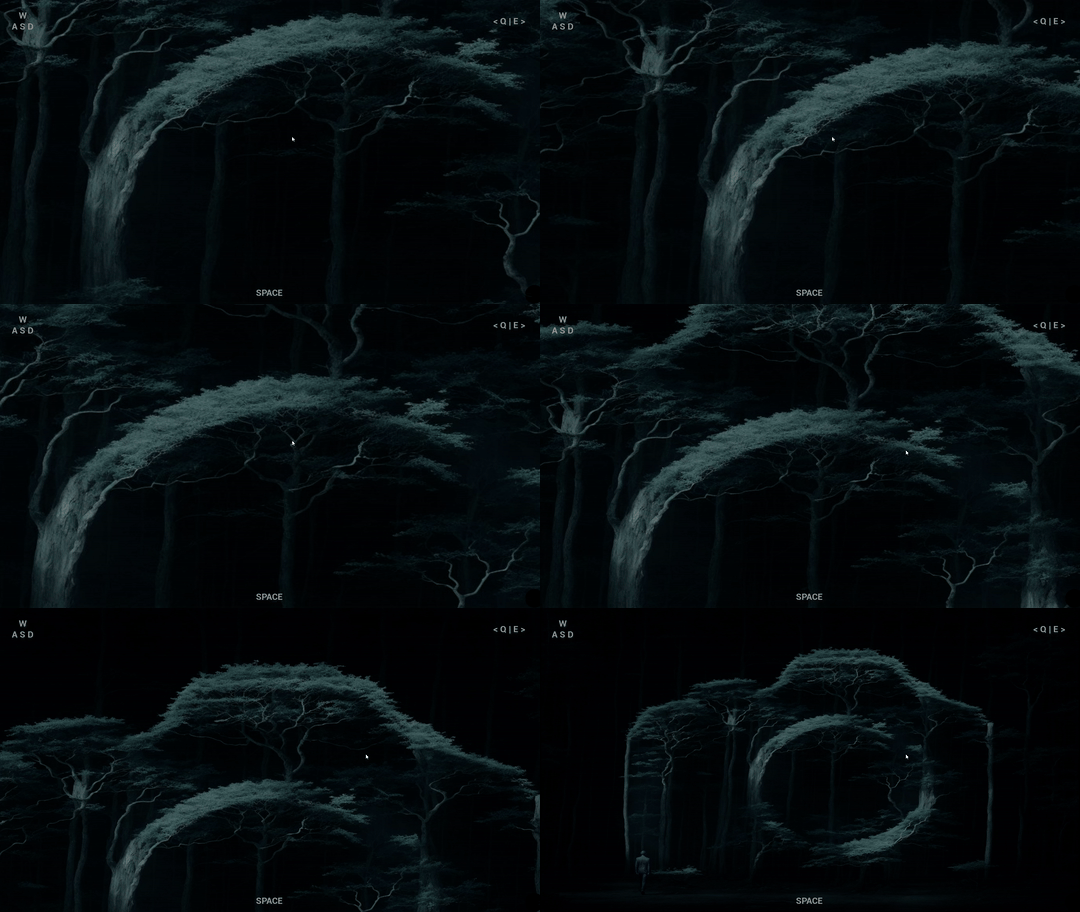
Visuals: I’m moving away from a purely lo-fi look towards something more resembling the 2000s vibe. It’s high-contrast, uses PS1-style dithering, but keeps the UI sharp and readable. I want the shop to feel tactile - like you can almost smell the dust on the shelves - while the management part remains crisp and functional.
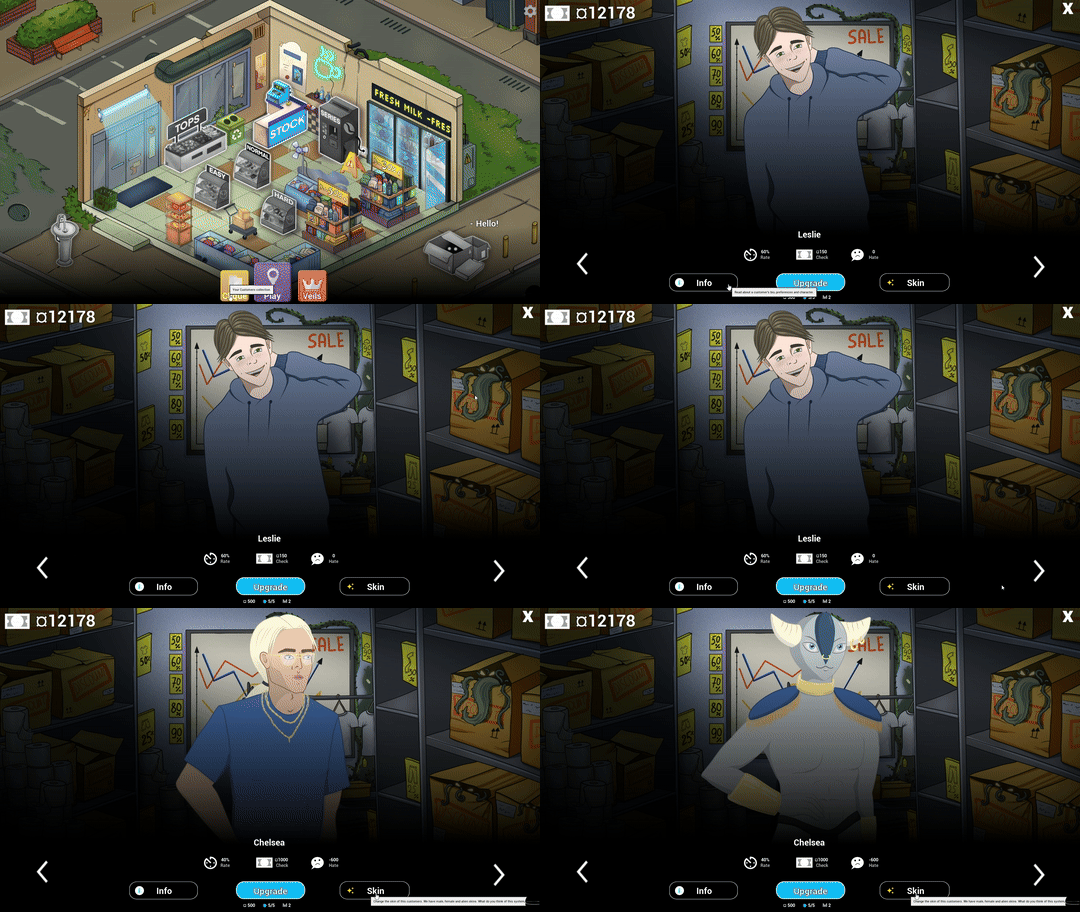
Current State: I’m currently refining the NPC response system to make their dialogue and expressions feel more reactive to the player’s pricing strategy. I’ll be sharing technical breakdowns of how I implement the literal illusions and some character design sketches soon.
Key Features and Contents
Choice-based Card Game with tense and procedurally generated roguelite Core Gameplay.
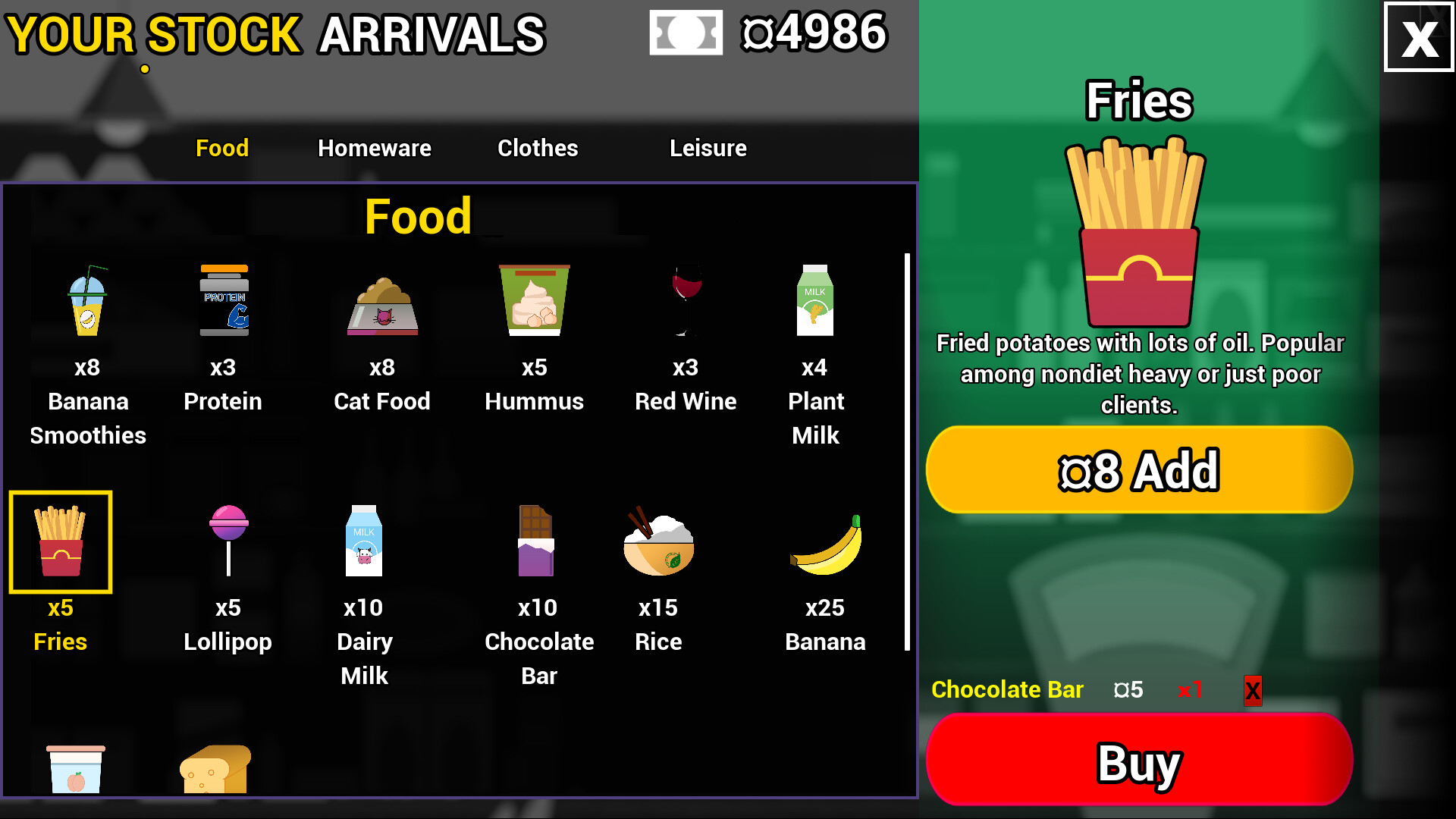
2D Shop Simulator and an Economy game about trading with Customers.
Atmospheric Visual Novel about insanity, doubt, and Reality Check.
Innovative Puzzle Game based on the Literal Illusion Effect.
10 Unique Clients, each with their own tastes and shopping styles.
5 Selected locations with carefully crafted storylines.
50+ Levels to Upgrade Every Customer.
70+ Products to buy - from weird ones to essentials!
Screenshots:


A question for the management sim fans here:
Do you prefer when customers’ traits are explicitly stated, or do you like figuring them out through their behavior and the way they trade? Right now, it only shows their numbered stats, like visiting rate or average check, but the customer tastes are mostly narratively hinted at for the players to figure out on their own.
I’m leaning towards the narrative hints because it feels more ‘detective-like’, but I’m worried it might be too cryptic for a management sim.
P.S.
I’m preparing a demo for the upcoming months, but for now, I’m focused on getting the core loop and game feel right. If you find the project appealing, please consider a wishlist / follow.
Thank you!

https://hollowlimb.itch.io/shopcrush
You can try Shop Crush - it’s a Visual Novel and a Shop Sim with a horror twist.
 Hi there, I am making a game Shop Crush.
It’s a hybrid Visual Novel, where you connect with customers, learn their characters, and untangle the dark Literal Illusion puzzles about them.
You can check out the trailer here:
I am looking for feedback for the game concept, trailer, and the Itch page.
https://hollowlimb.itch.io/shopcrush
Basically, the whole package, but whatever you feel the strongest about.
Thank you kindly!