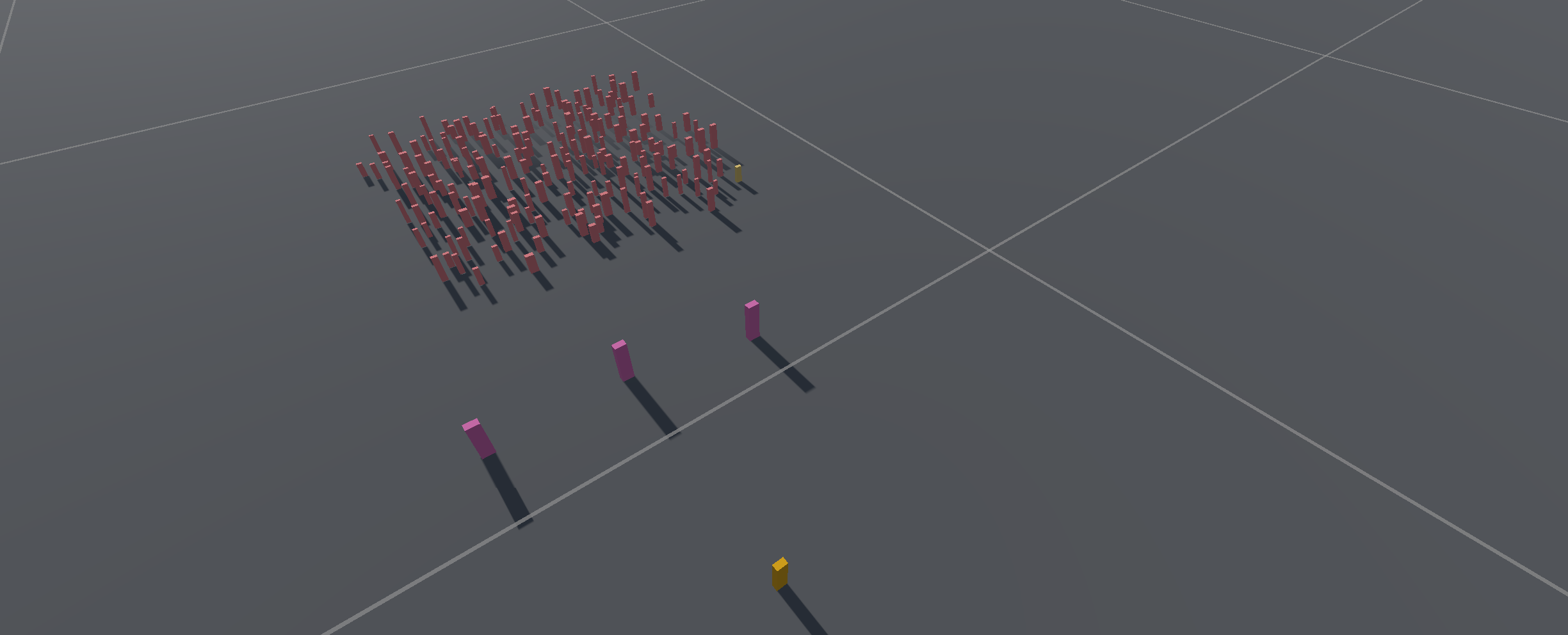
The architects of THRUM built the soul of the world first. Before the first stroke of ink was ever laid, they forged the invisible clockwork that governs how a kingdom breathes, how resources flow, and how iron meets shield. By focusing on the core simulation from the start, they ensured that every action has a real consequence, creating a true sandbox where the world reacts to your choices rather than a script.
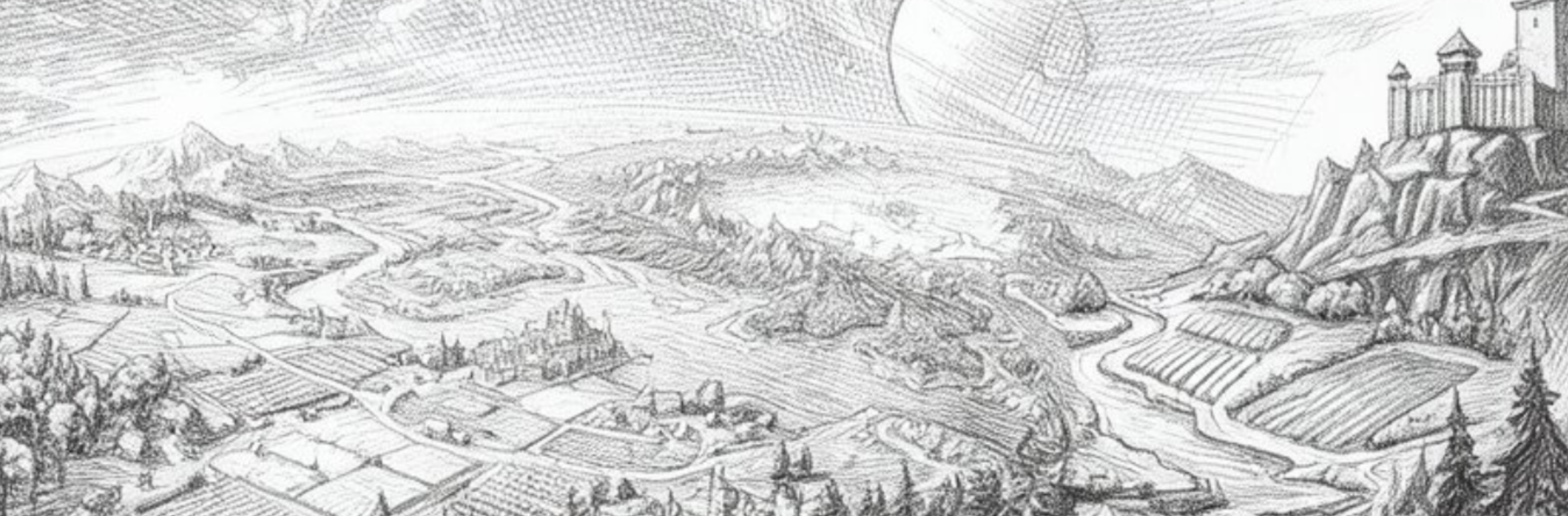
Once this foundation was solid, the world took its shape: a rugged, medieval era etched in ink and shadow. While your journey begins among knights and castles, the simulation is designed to be a vast vessel—built with the potential to eventually welcome other civilizations or strange, ancient races from beyond the mists.
Your saga starts with just two lone souls standing upon an untamed region of the planet. From these two pioneers, you will sow the seeds of a colony, nurturing it through the seasons until your banners are carried by massive legions of warriors.
The world scales seamlessly with your ambition. You have the freedom to walk beside a single scout on a path of stealth or command a sea of steel through complex formations and tactical maneuvers. Whether you are managing the needs of a single hearth or the logistics of a global army, the simulation remembers every strike, every harvest, and every triumph.
THRUM is more than just a game of numbers; it is a living history waiting for your first move. How will your two pioneers be remembered?
in short..
I am developing a 3D colony and civilization-building game with a heavy emphasis on city management and large-scale warfare. The game features a unique, persistent planet that players can eventually conquer in its entirety.
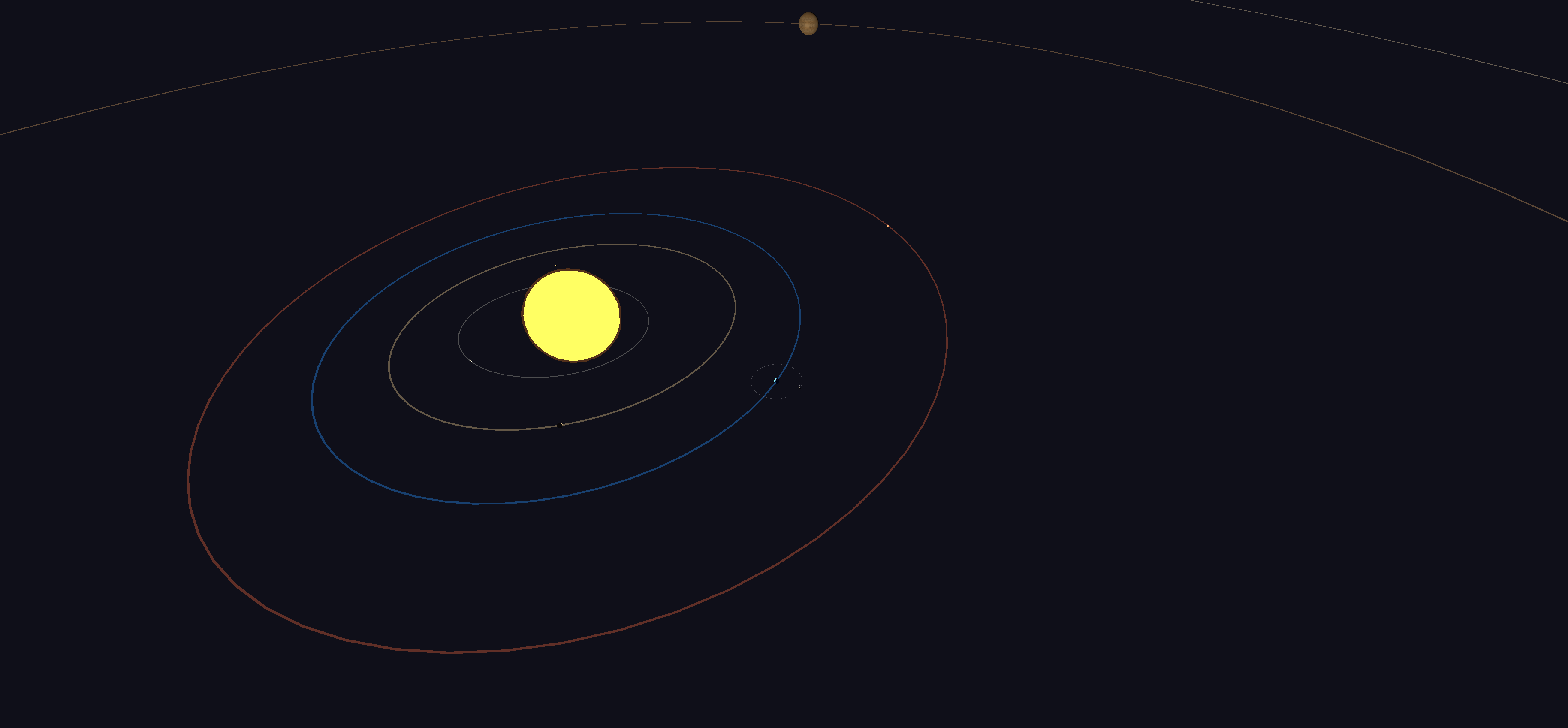
Currently, my focus is on refining core gameplay systems. While the final art style is still being explored, the environment is fully 3D and built in the Godot engine. Although this is my first project using Godot, I have already successfully implemented a basic simulation covering solar system, colony growth and army command with complex formation management.
The game will meticulously track and archive an extensive array of player statistics, performance metrics, and real-time situational data, all while utilizing a streamlined, modular architecture designed for maximum simplicity and effortless modding.
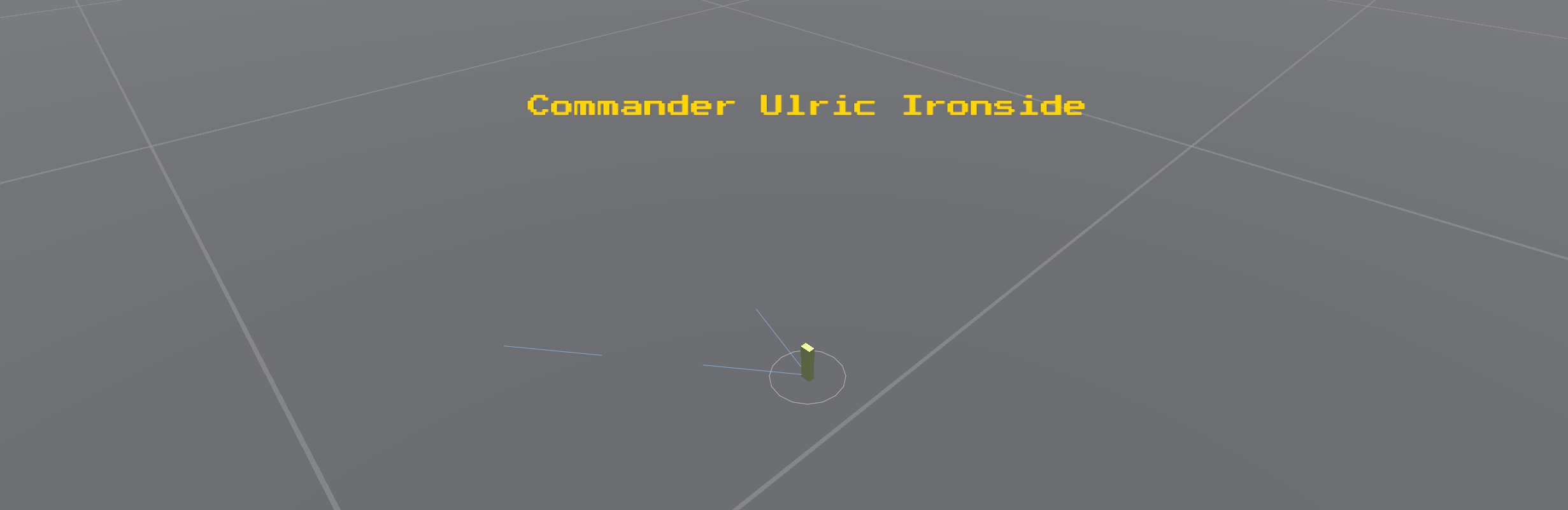
Every unit is a persistent individual with procedural personality, social standing, and a contextual honor system, grounding their unique psychological responses and battlefield reactions in physics-driven weight and locomotion.
Targeting a 10k unit cap, the simulation remains fluid and responsive even at high time-scales
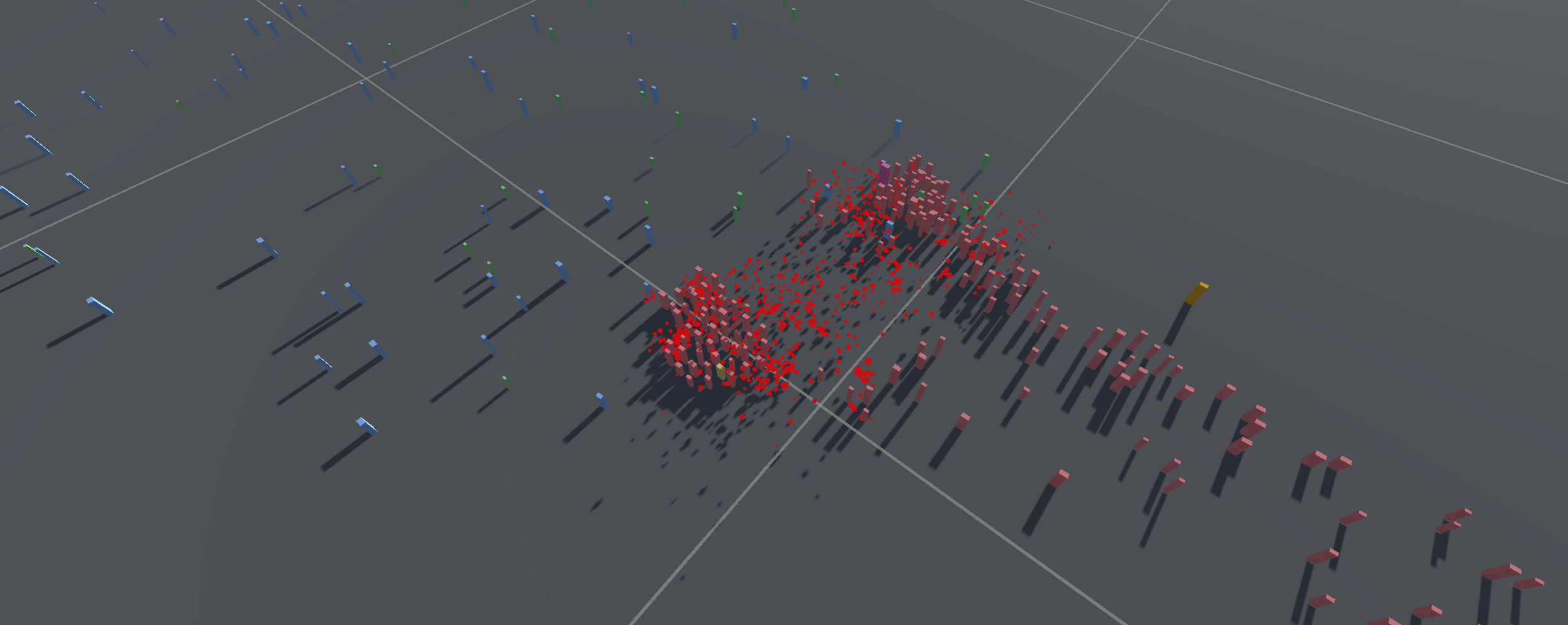
THRUM is inspired by games I really like, such as Jagged Alliance, Songs of Syx, Dwarf Fortress, and Medieval: Total War
Ideas and Feedback are welcome. More devlogs will follow here or in discord.