

Absolutely. Particularly Orbital Decay and Habs & Garden.
A member registered Jun 20, 2018 · View creator page →
Creator of
Worksheet to help make cyberpunk adventures

Two-dimensional manifestation, for Liminal Horror and Delta Green
Space opera adventuring in our messy futures
Pamphlet mission for the space dogfighting RPG SUPER BANDIT
Make a Delta Green scenario step-by-step

Wildfire medevac clients for Crash//Cart
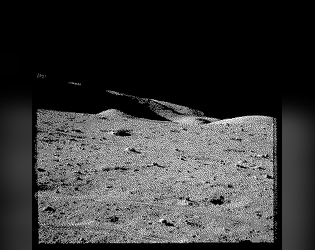
lunar crash-landing one-shot
A derelict salvage job for HARDCASE
Repair job at the edge of Mercury's twilight zone
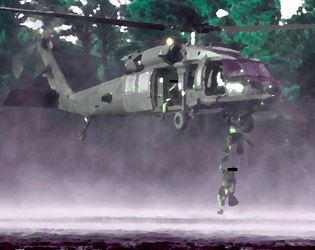
UFO recovery campaign for Delta Green
Urban evacuation mission for Apocalypse Frame
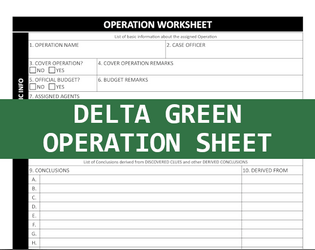
A note-taking handout for investigation RPGs
A cold-war, asteroid-hopping mystery in the asteroid belt for Orbital 2100
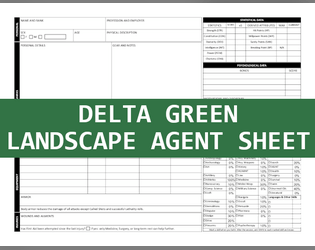
Unofficial landscape character sheets for the Delta Green roleplaying game

Printable disorder cards for the Delta Green Roleplaying Game
Third issue of the Delta Green fanzine
Second issue of the Delta Green fanzine
First issue of the Delta Green fanzine