

hey there, my discord is same as my user name here, baronvonzoomie
A member registered 38 days ago
Creator of
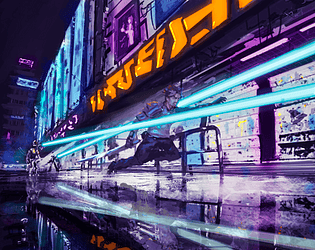
Diablo - Metroidvania fusion set within the rain-slicked industrial logic of a neon-drenched cyberpunk megacity.
Action
Recent community posts
itch.io Community » Game Development » Devlogs · Created a new topic Introducing CircuitMind — A Metroidvania-like Exploration and Diablo-style Looting Fusion
Introduction: Who am I?
Hello everyone! I'm BaronVonZoomie. After a decade-long career as a senior software engineer, I finally decided to take the leap into my true passion: game development.
I grew up on a steady diet of Heroes of Might and Magic 3 and Diablo—games that didn't just give you a hero, but a math-heavy world to optimize. That lifelong love for the deep dive of Metroidvanias and the addictive "one more run" loop of looter ARPGs is exactly why I’m building CircuitMind.
What is CircuitMind?
At its simplest, CircuitMind is a high-octane action-RPG set in a sprawling cyberpunk dystopia. It’s my attempt to fuse the atmospheric, handcrafted exploration of a Metroidvania with the deep, loot-driven progression of a Diablo-style game.
But beyond the genre labels, I’m building this because I wanted a game that empowers the player to "engineer" their own character. In CircuitMind, you aren't just picking a class; you’re programming a machine.
Welcome to El Velo
The story of CircuitMind takes place in El Velo, a sprawling, futuristic city built on stark contrasts. It’s a place where rain-slicked, neon-drenched lower sectors crawl with desperate mercenaries, while gleaming corporate spires pierce the toxic clouds above.
In El Velo, the figurehead government is long gone. The real power lies with the omnipresent Conglomerates. Following a catastrophic event known as The Great Disconnect, these corporations seized control of all R&D and private security, turning technology into a tool for surveillance and suppression.
You step into this world as a nobody mercenary who has been framed for the murder of a high-ranking corporate official. You aren't just fighting to survive; you're following a trail of digital breadcrumbs to prove your innocence in a city that wants you deleted.
Beyond the Chrome: The Endgame
I didn't want the journey in El Velo to end just because you reached the final biome. I’m designing two distinct ways to push your build—and your mind—to the limit.
1. The Endless Ascent
For those who want to test their "Hardware," we have the Endless Ascent. It’s a procedurally generated gauntlet that forces you to adapt to new combinations of enemies and hazards. It’s the ultimate playground for your Memory Allocations and Overload skills.
2. The Conglomerate Conspiracy
This is the part I’m most excited about. CircuitMind isn't just about combat; it's about uncovering the truth. In the Conglomerate Conspiracy, you'll engage in a deep, deductive endgame where you must piece together digital evidence to solve the murder you were framed for. Think of it as a "Cyber-Detective" mode, where your ability to find clues is just as important as your ability to swing a sword.
The "Chassis & Chips" Philosophy*
One of the first things I wanted to fix was how mindless itemization can feel in some ARPGs. In most games, you just jam the highest-level gem into a hole and forget about it.
I’m building something different: a Socket Puzzle. Gear is split into two parts: the Chassis (your physical equipment) and the Chips (the "brain" of your build). By using conditional affixes, we’re making every decision meaningful. You might find a chip that grants an extra Dash Charge, but only if it's installed in "Vector" brand gear. Or maybe a chip gives +5 Reflex, but only if it’s sandwiched between two "Synapse" modules. Your inventory becomes a place for tactical engineering, not just random clicking.
Breaking the Mold: Neural Flow vs. Stamina
As I spent the last few weeks tuning the physics and "game feel," I hit a wall with traditional resource management. Originally, I had a stamina bar, but it felt clunky. In a fast-paced cyberpunk world, your character shouldn't get "tired" from swinging a sword or dodging.
So, I performed some "logic surgery" and moved to Neural Flow. We’ve removed the stamina bar entirely. Instead, your character uses a Charge-based Dash system. Each move has a rhythm, an internal cooldown that scales with your stats. This lets you focus on the combat jazz—dashing, striking, and recovering in a seamless loop—without constantly glancing at a blue bar.
Character Progression: Memory Allocation
In El Velo, power isn't granted through traditional experience points. Instead, you earn Credits—the lifeblood of the city’s economy.
I’ve always been a fan of the high-stakes economy in *Dark Souls*, where your currency and your growth are one and the same. To me, this is a well-established and incredibly effective system—there’s no need to fix what isn't broken. So, I’m bringing that same tension to CircuitMind. You use your hard-earned cash to purchase Memory Slot Expansions (up to a hard cap of 70). Just like any high-end tech, the more memory you add to your system, the more expensive the next expansion becomes. This creates a permanent, strategic tension: Do you buy a powerful new weapon, or do you invest in a Memory Slot to allocate toward your Hardware (Stats) or install new Software (Skills)?
The real "Ah-Ha!" moment is our Overload system. If you allocate enough memory into a base stat (like 30 Reflex), your skills will literally break through their normal limits, unlocking hidden behaviors like explosive decoys or CD resets. It’s all about reaching those high-level thresholds to see what your build is truly capable of.
The Foundation: Tiled & Pixel-Perfection
On the technical side, I’ve spent the last week ensuring the world of El Velo is as solid as its mechanics. We’ve moved to a high-performance, tile-based system using the Tiled Map Editor.
This isn't just about drawing levels visually; it’s about precision. We’ve implemented pixel-perfect physics and two-pass axis resolution. When you land on a platform in CircuitMind, you land exactly on the top pixel of that art. No flickering, no "sinking" into the floor. It’s that tight, *Castlevania*-style movement that makes a Metroidvania feel right.
Visual Identity: From Greybox to Neon
As an engineer, my first priority was always the "feel"—getting the gravity, the two-pass collision, and the hitboxes right. But a world like El Velo deserves to look as sharp as it plays.
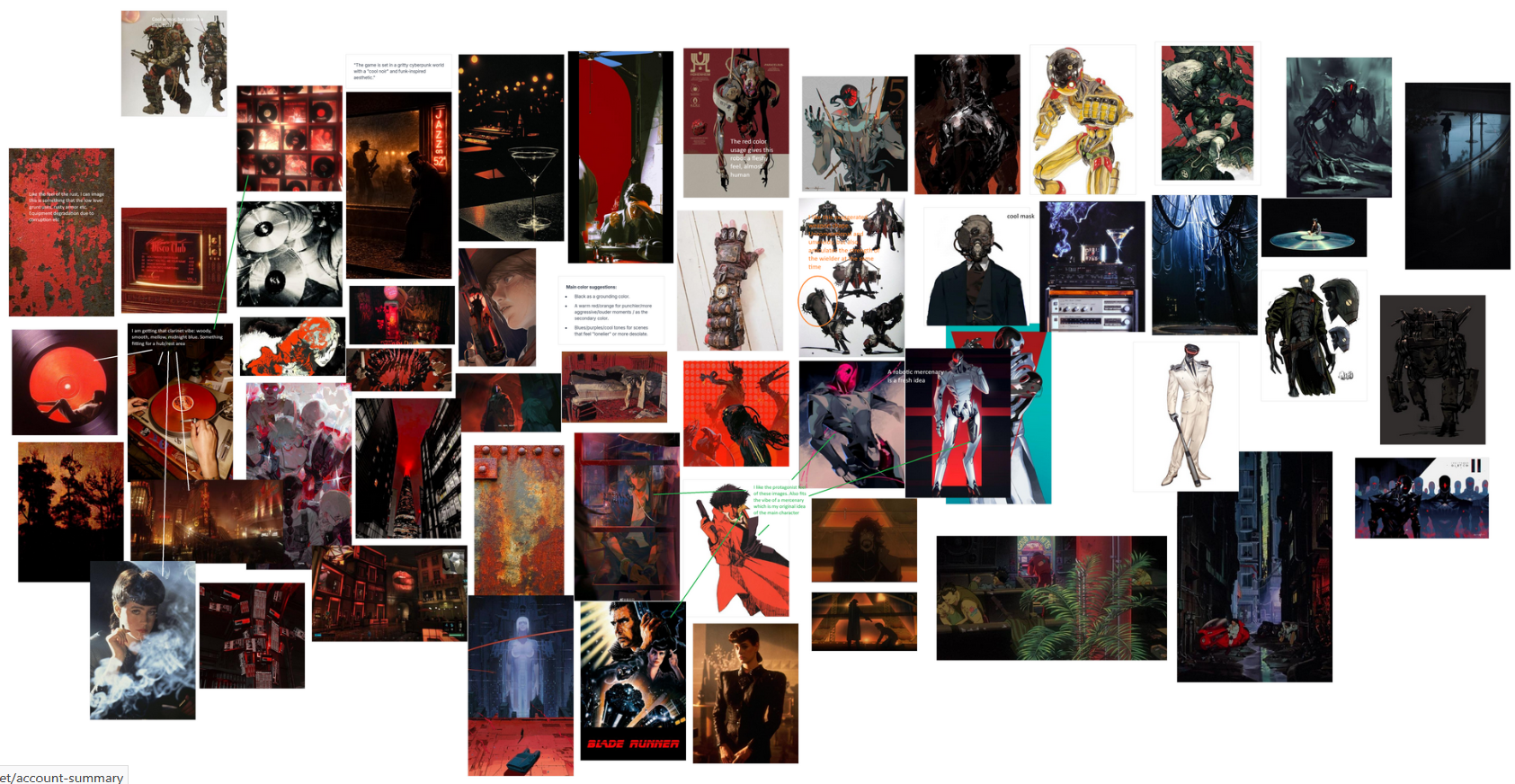
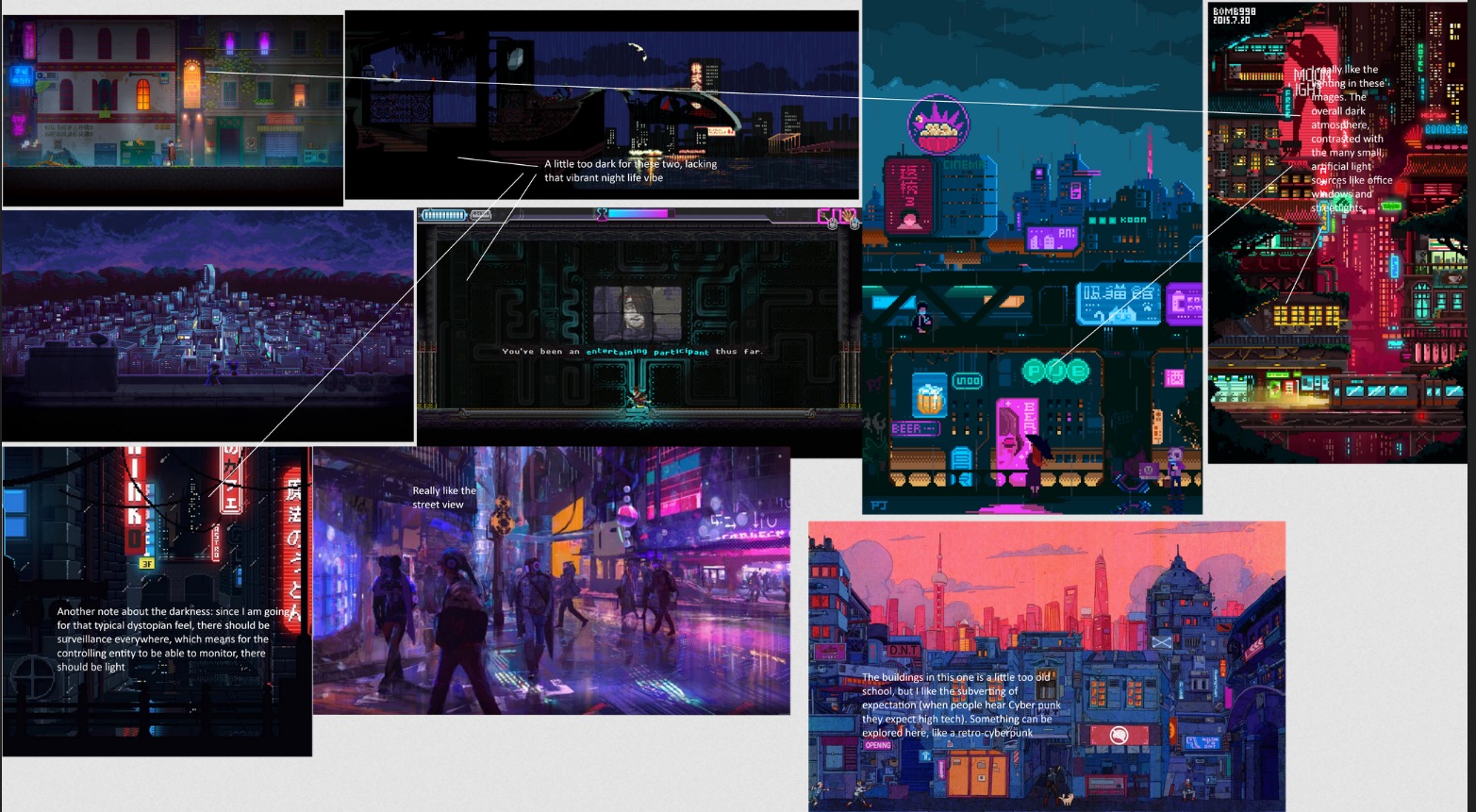
My journey started with what I like to call Programmer Art—functional greyboxes that served their purpose during the first weeks of coding. To move beyond the blocks, I worked closely with talented artists to establish our visual soul. They created an initial moodboard to capture the rainy, high-contrast atmosphere I was aiming for, and through a process of feedback and refinement, we’ve arrived at a vision that perfectly matches the dark, neon-drenched world of El Velo.
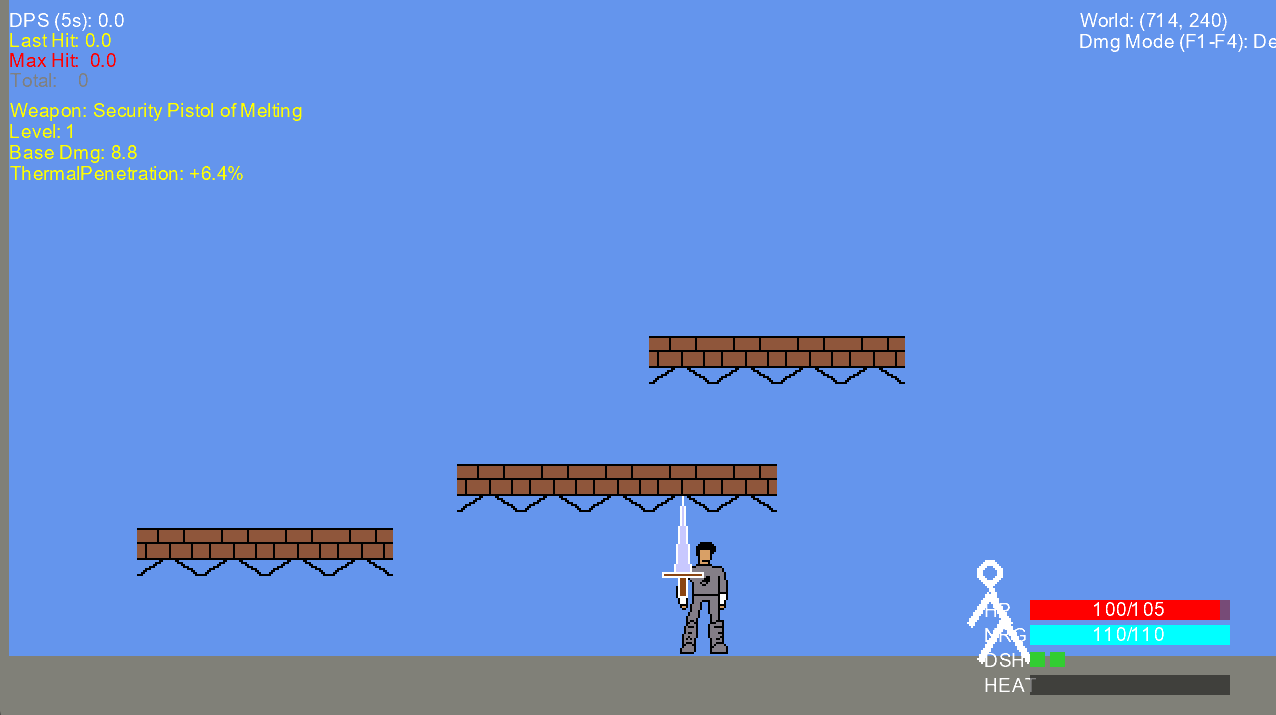
This is the initial programmer art. It's really rough around the edges, however these place holders allow me to quickly build up the custom physic engine and test the collision, hit boxes and affixes implementation.
---------------------------------------------------------------------------------------------------------
@knight.1e (Instagram) and killakhi (Discord) did a fantastic job aligning the moodboard to my vision, providing a strong foundation for future art asset creation.
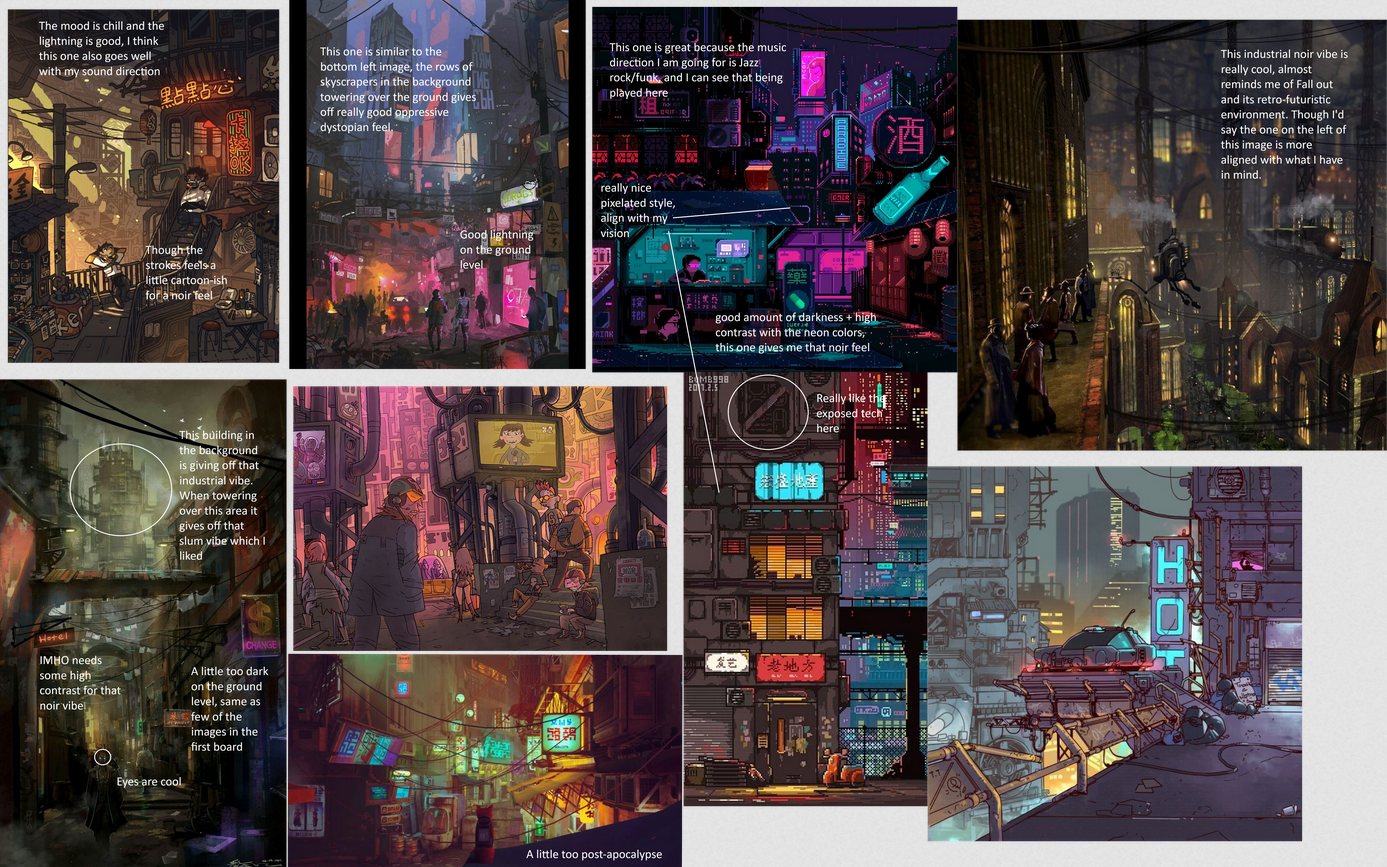
---------------------------------------------------------------------------------------------------------
The real turning point for the player character was collaborating with the talented @knight.1e. Seeing our protagonist evolve from a simple sketch into a professional, atmospheric design has been incredible. We’ve finalized the Main Character Design, capturing that framed mercenary silhouette perfectly

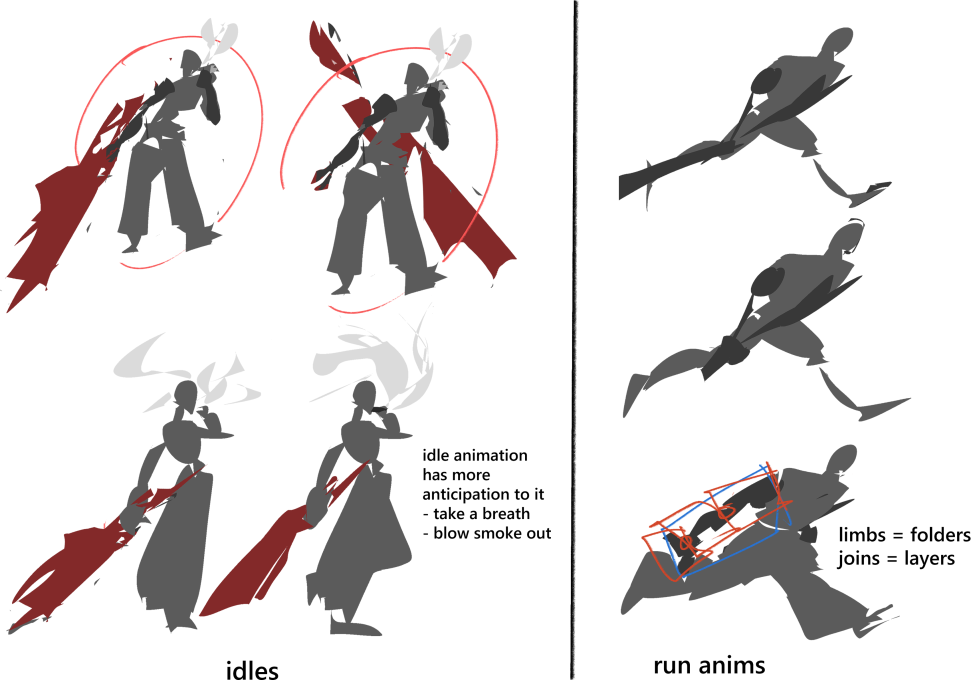
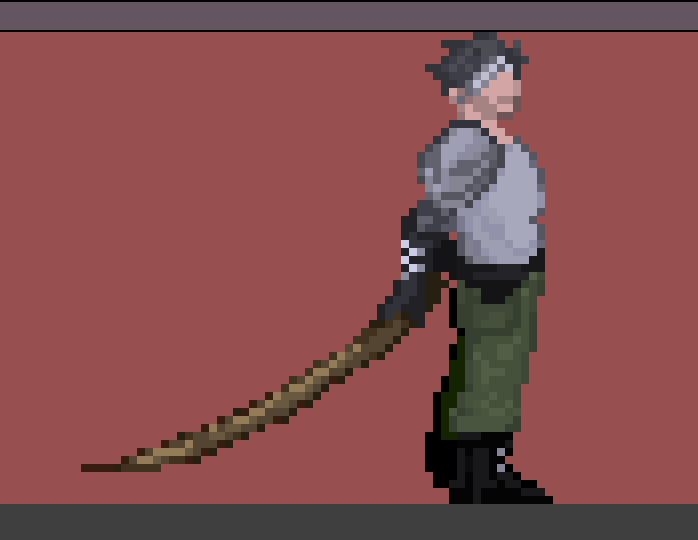
---------------------------------------------------------------------------------------------------------
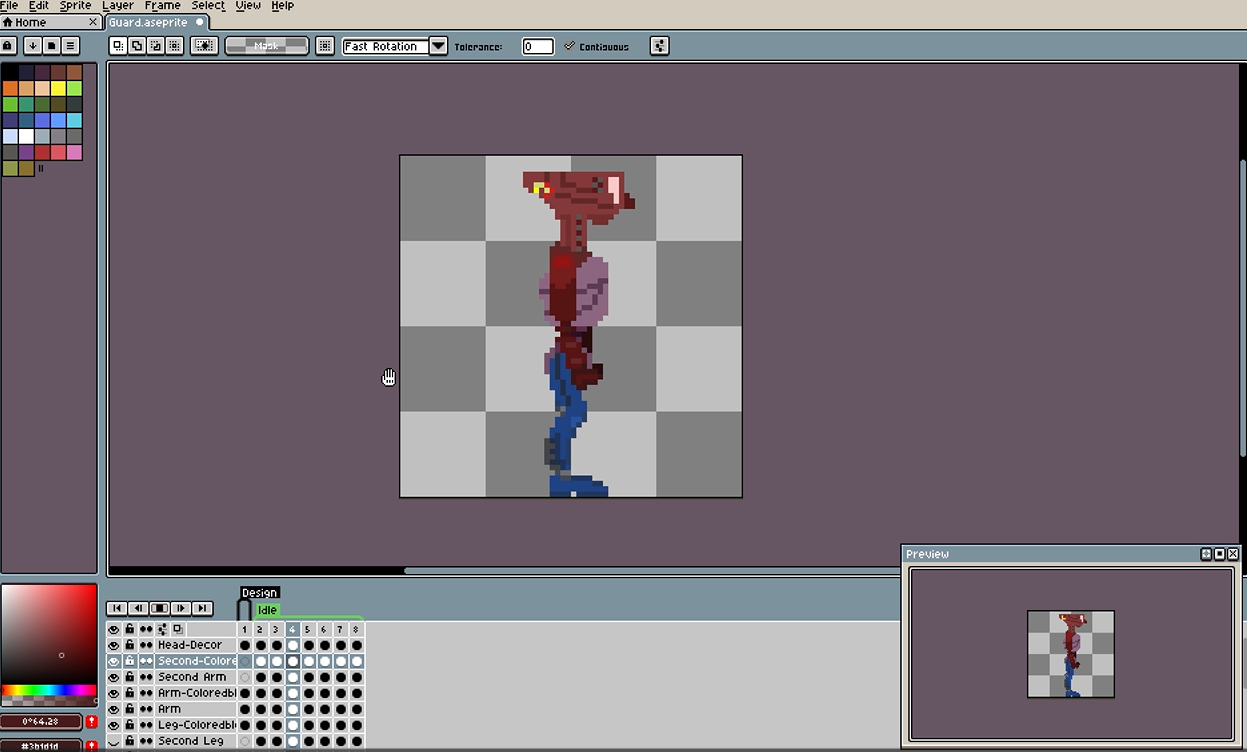
We are now in the process of translating that design into gameplay. Here is our first look at the Idle Sprite, alongside the Fodder Enemy idle animation spearheaded by killakhi.
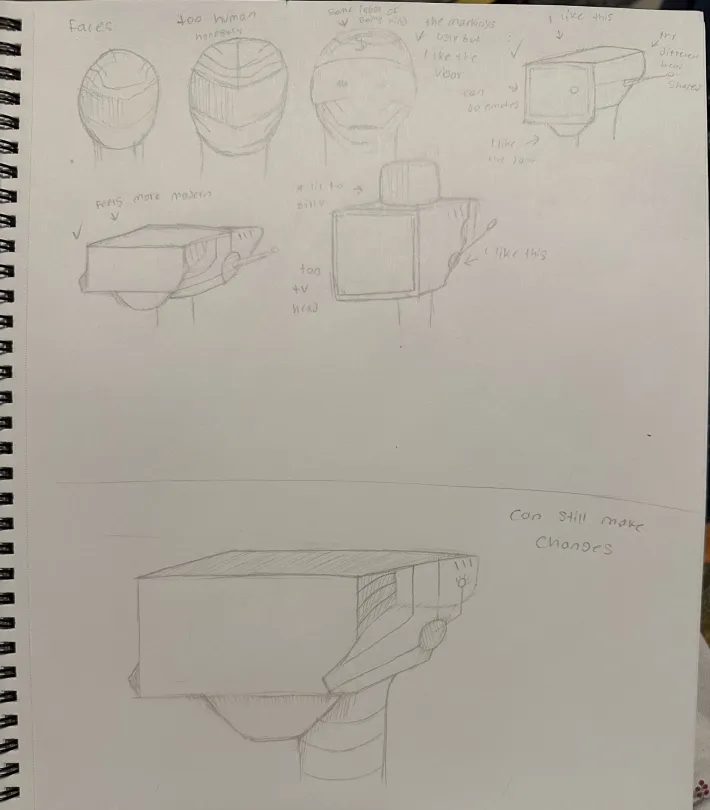
Future Plans & Roadmap
The goal for the immediate future is completing a highly polished vertical slice—a definitive proof of concept that showcases the Neural Flow combat and the Socket Puzzle itemization in action.
Current Wins: Pixel-perfect physics, Tiled level integration, and our functional loot/chip engine.
Next Milestone: Launching a Kickstarter campaign to help bring the full project to life, including our planned cap of 70 Memory Slots, the implementation of dual classes (Operative & Netrunner), and sprawling biomes.
I'll be diving deeper into the specific Overload skills for the Operative and Netrunner in the next update, and I'll share more about our unique Combat as Jazz dynamic audio system. Thanks for joining me on this journey!
Call to Action
If this sounds like your kind of game, feel free to reach out to me on Discord (BarronVonZoomie). I’d love to hear your thoughts on the Memory Allocation progression!
Shoutout to @knight.1e and killakhi for their incredible work bringing our hero and enemies to life.
— BaronVonZoomie