


Hey everyone!
First of all, thank you for adding my game into your wishlist. I'm doing my best to create a game worthy of everyone who adds it to their wishlist. Every day, during my morning walks, in my mind, I do pre-feasibility studies on the game's story and the mechanics I'll add.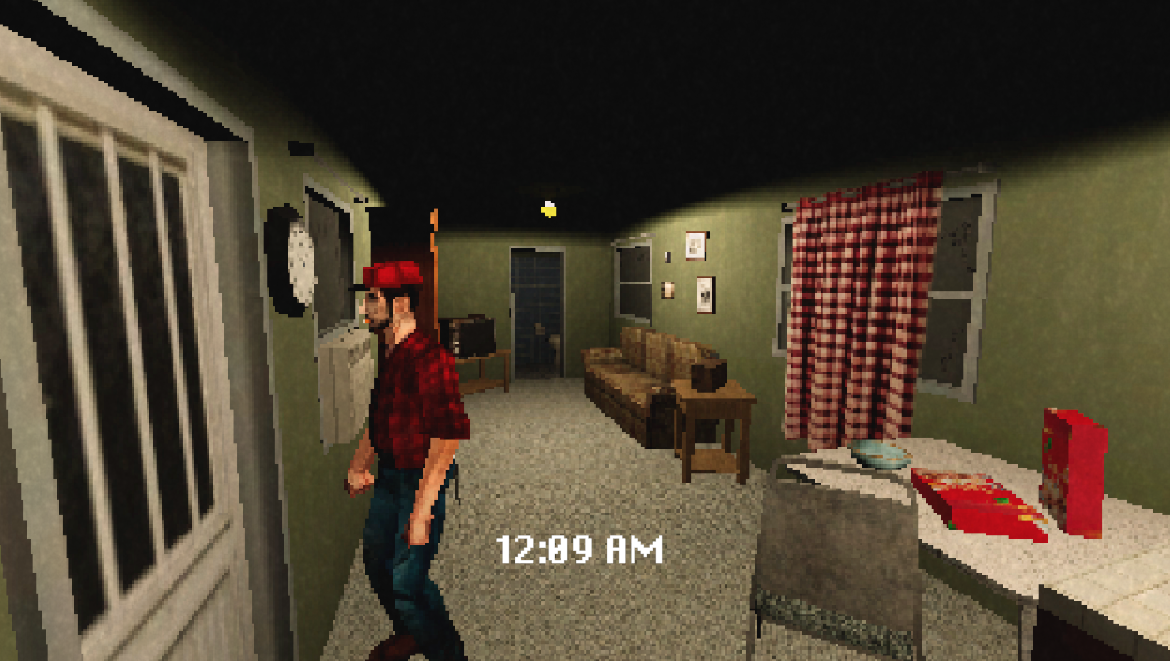
At the moment, development is on the interior of the house. I’ve started building small, subtle interactions inside this space, nothing flashy, but elements meant to ground the player and slowly introduce the tone of the world. These early moments are important to me, because they set expectations before anything is fully revealed. From a narrative standpoint, the overall structure of the story is mostly in place. Without going into spoilers, the game follows Marco; an ordinary lumberjack living a quiet life in a trailer park. One "morning" he wakes up to find the world profoundly changed. What exactly happened, and why, is something I want players to uncover gradually rather than be told outright.
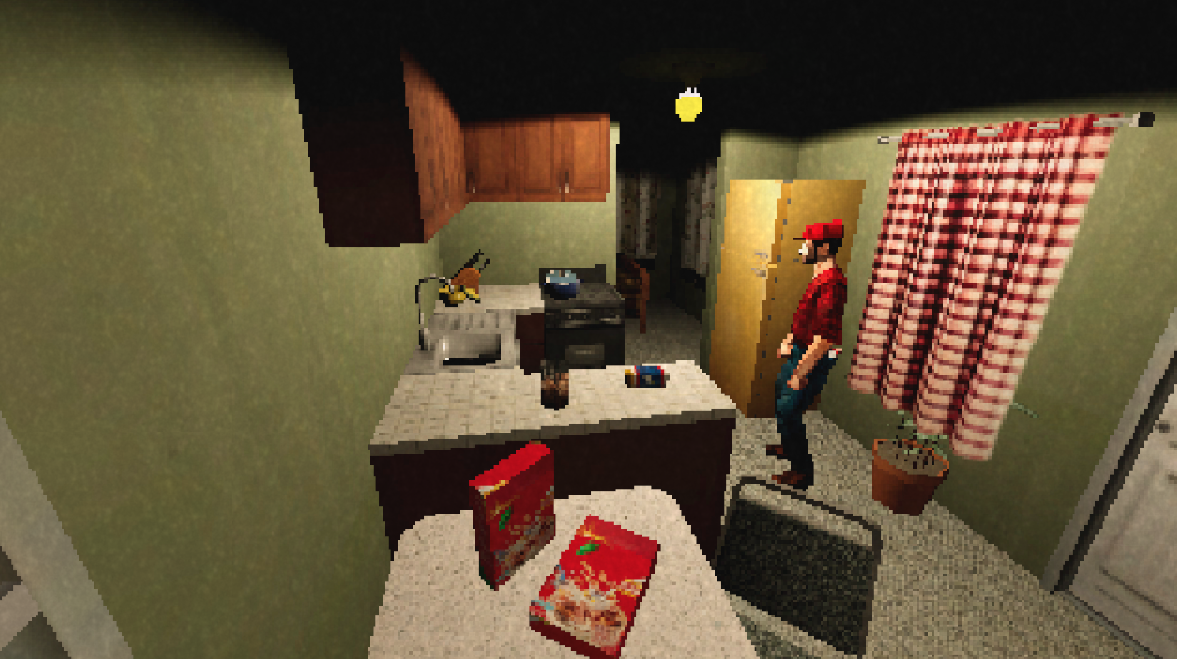
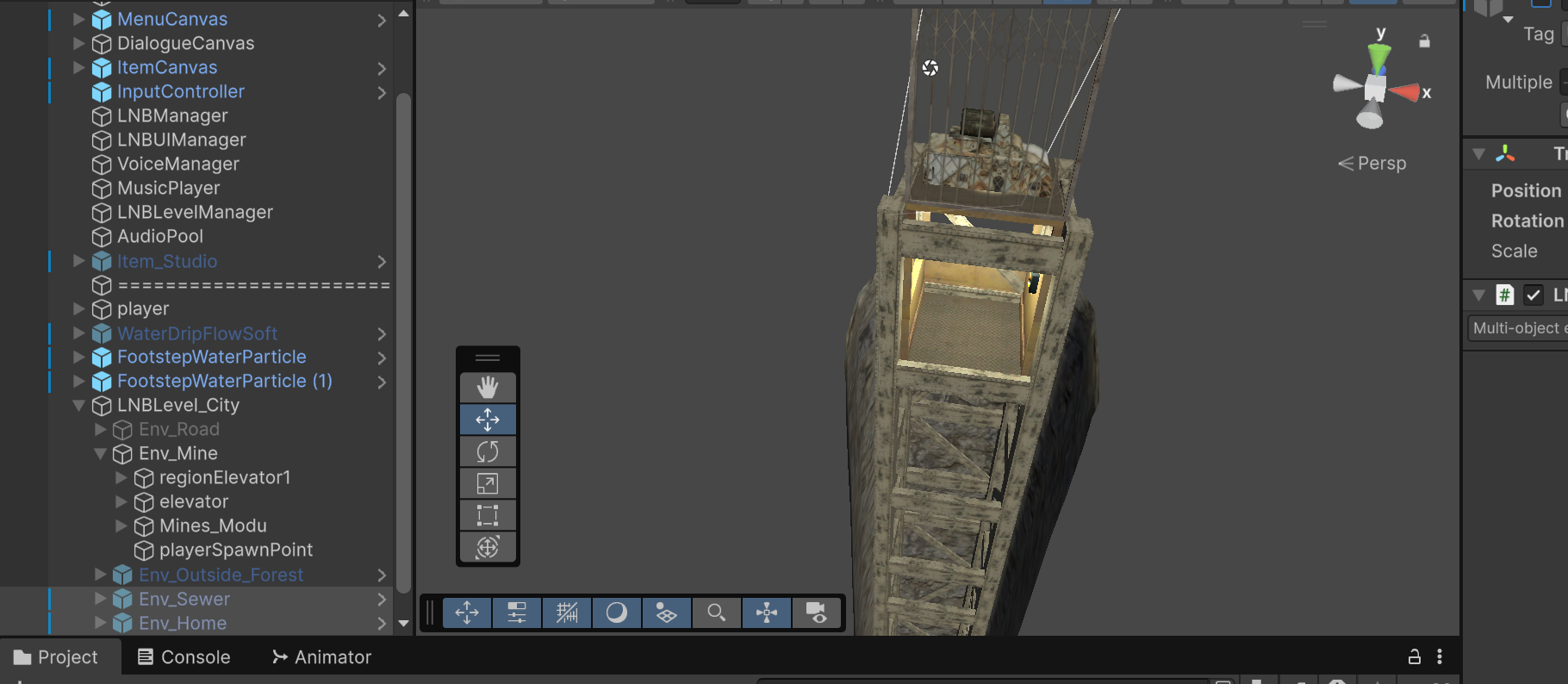
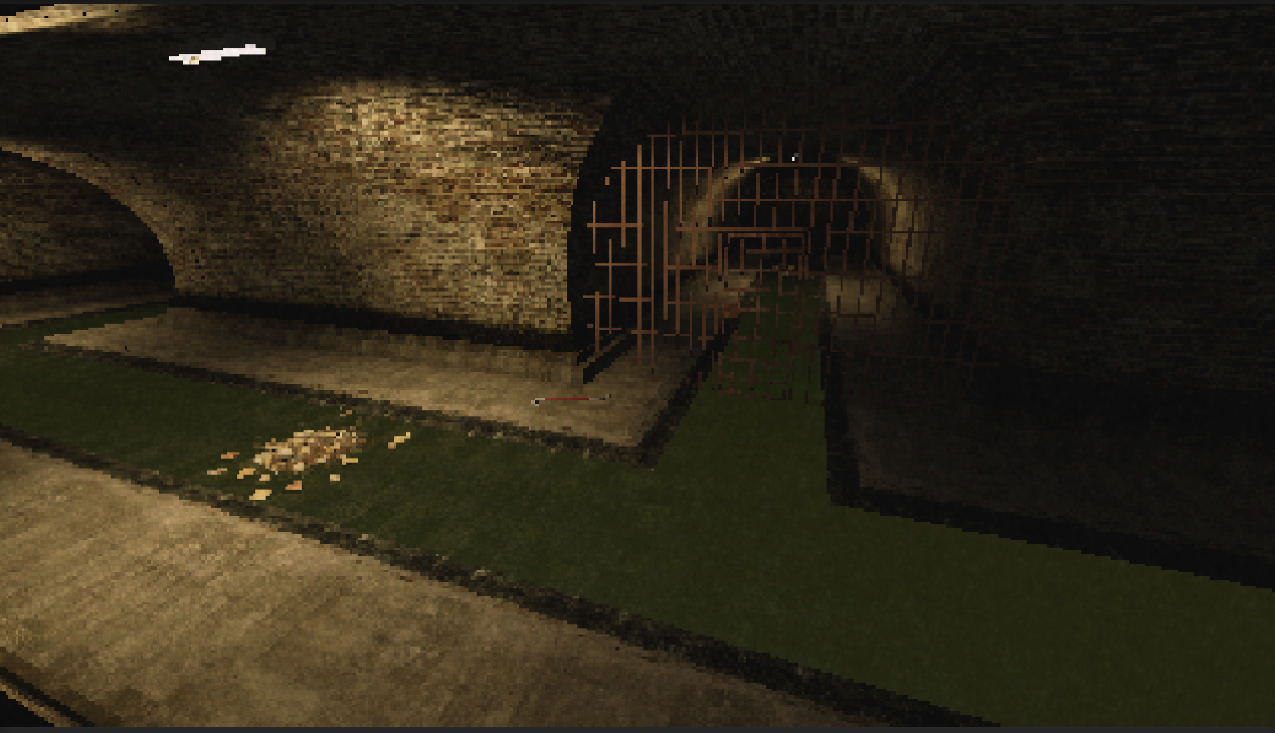
As the game opens up, Marco will be able to travel between different locations by car. Movement between areas is intentional and grounded, with travel playing an important role in how the world is experienced. The first chapter will allow players to visit several distinct locations, including his home, a deserted gas station, a forest, a mine, an abandoned mansion, and underground sewer areas.
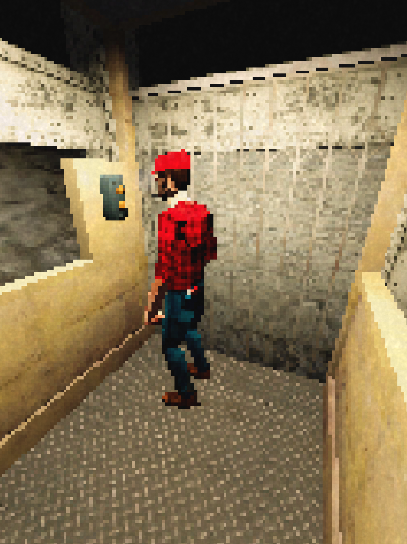
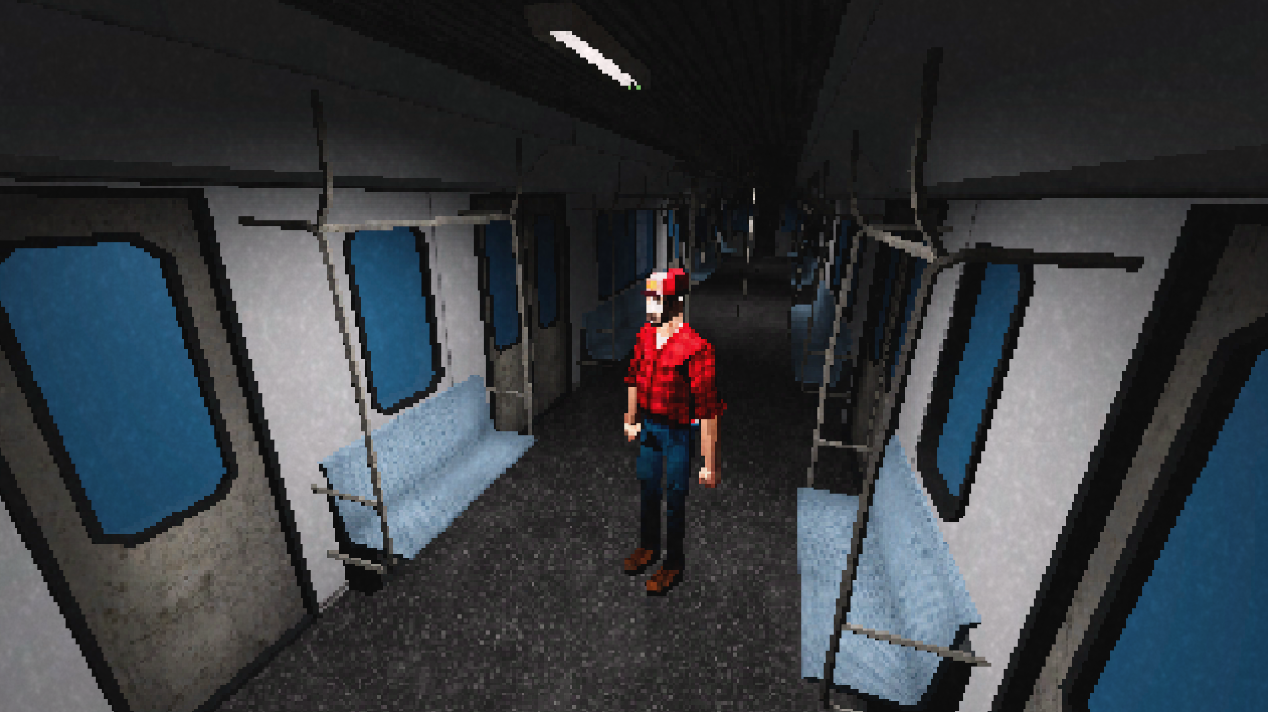
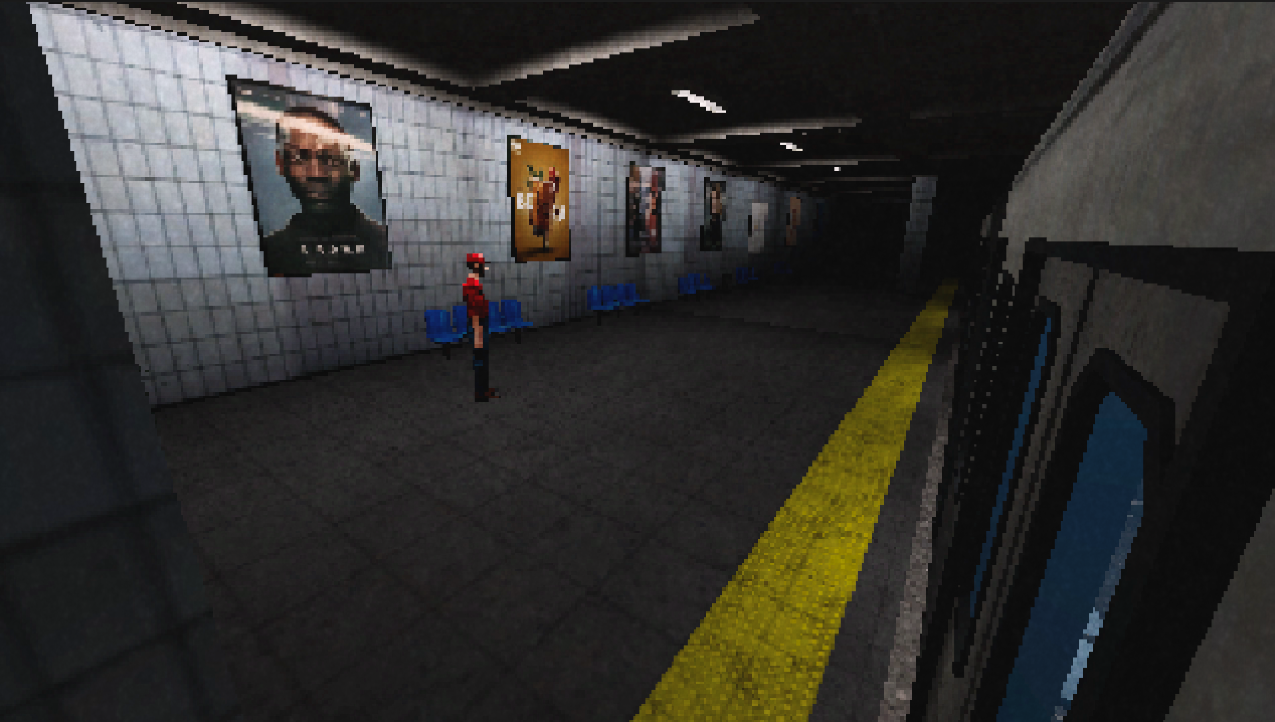
Regarding the style of the game, PSX-style games (some insist it should be PS1, but the term PSX is now clearly established) – those low-poly, low-tier-looking graphics and mechanics – are concepts that truly hold a place in our lives. I discovered that many of my close friends and I, including myself, prefer playing retro games, as they evoke some of the joy we felt in our childhood. So I wondered why there shouldn't be games of this type. Today, there are still very few games like this. But by joining communities and developing such games, I aimed to preserve this culture, even if only a little.
Also, the game is built entirely around fixed camera angles. The camera does not follow, rotate, or adapt to the player. Every shot is composed deliberately, and the world never adjusts itself to you including during travel, where movement is tied to the car rather than free camera control.
I will be sharing a short video showcasing some of the small interactions inside the house, as these moments represent the foundation of the game’s pacing and atmosphere.
Another point I want to mention is that I want the game to be a bit more community-driven. There will be other characters in the game as well. I'd like to add the names of the players who are following the game now (if they want, of course; many of my friends have already wanted to add their names and faces to the game). Of course, it might be a little early for that, but I wanted to say it now.
More updates soon and thank you for following the project!