

Omg thank you!
A member registered Jul 25, 2015 · View creator page →
Creator of
A little room. A little life. A little pretentious.
Interactive Fiction
Play in browser



A poker deck card battler with Mutually Assured Destruction!
It started as a news story, but how did it end?
Interactive Fiction
Play in browser
Recent community posts
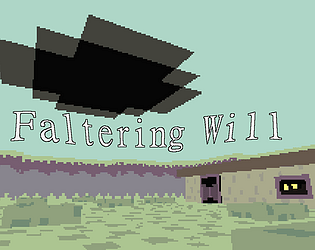
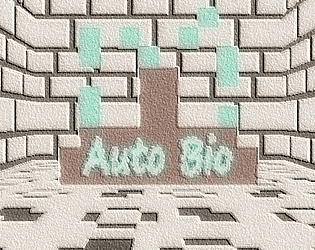
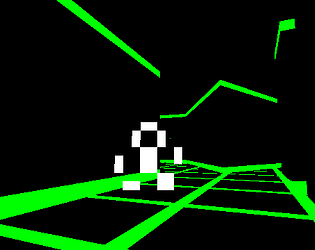
I got really into Bitsy 3D (the color variant) in the last year. If you think not of how to bend the engine to your ideas, but of what would best fit its limitations, some amazing things can happen.
Really the big limit is the bitsy room size. Modern 3D exploration is all about looking out onto a vista, seeing the world out before you, and Bitsy 3D says absolutely not. Most of my spatial design has gone into how to work with this, instead of despite it.
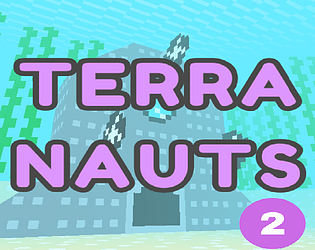
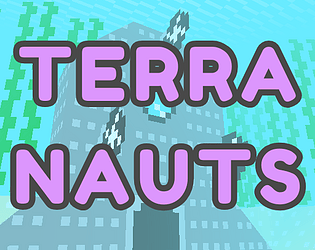
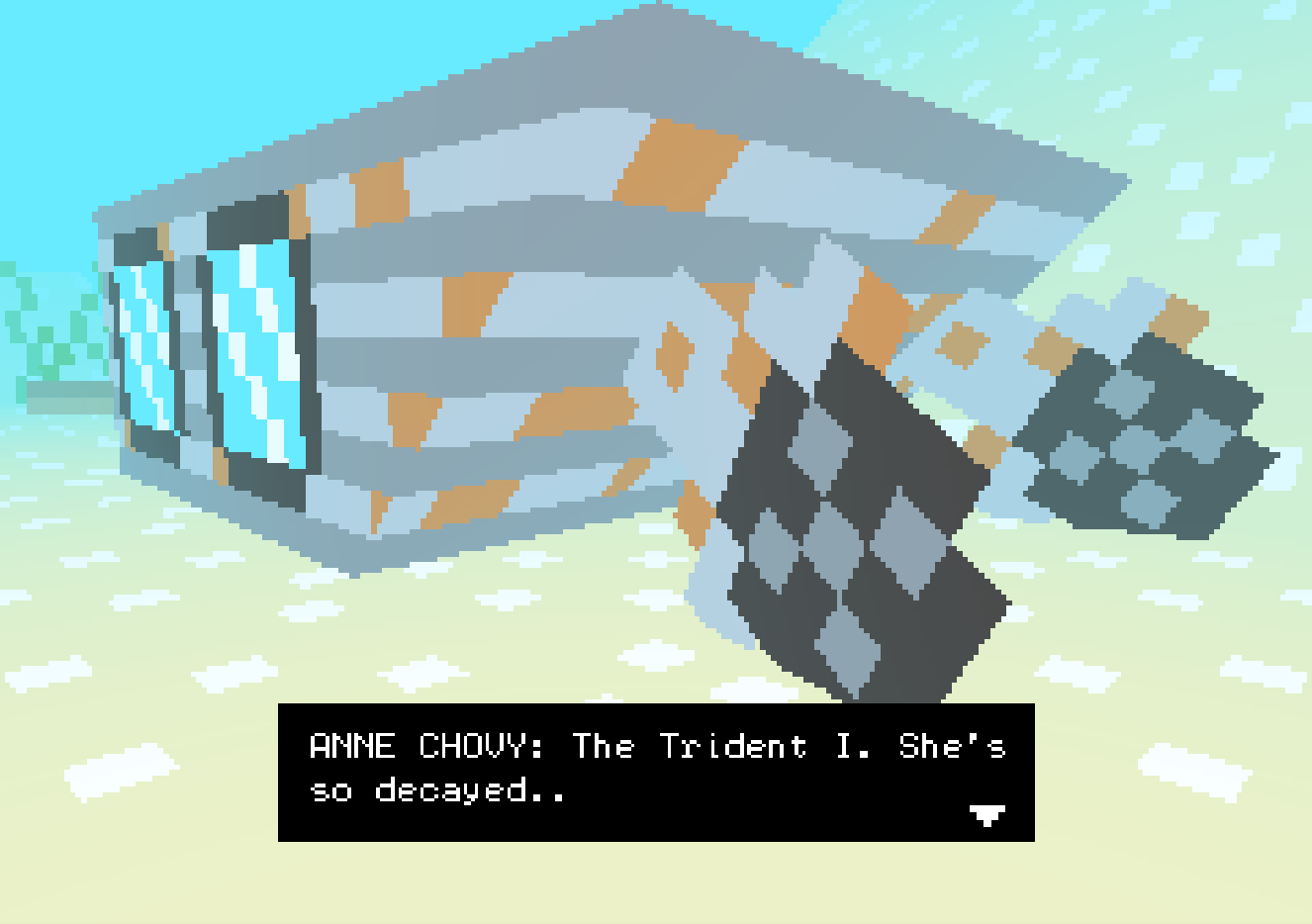
In Terranauts Ep. 2 I did so by making the vista smaller. I started the player in a trench at the bottom of a hill, packing in as many conversations, set pieces, and corners as I could into the ascent of one 16x16 room. This way, by the time you climbed halfway or all the way up, you could turn around and look down with a sense that you'd really gone somewhere.
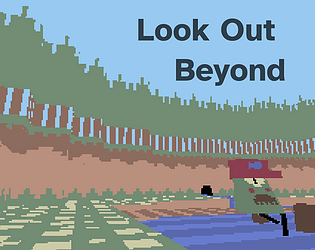
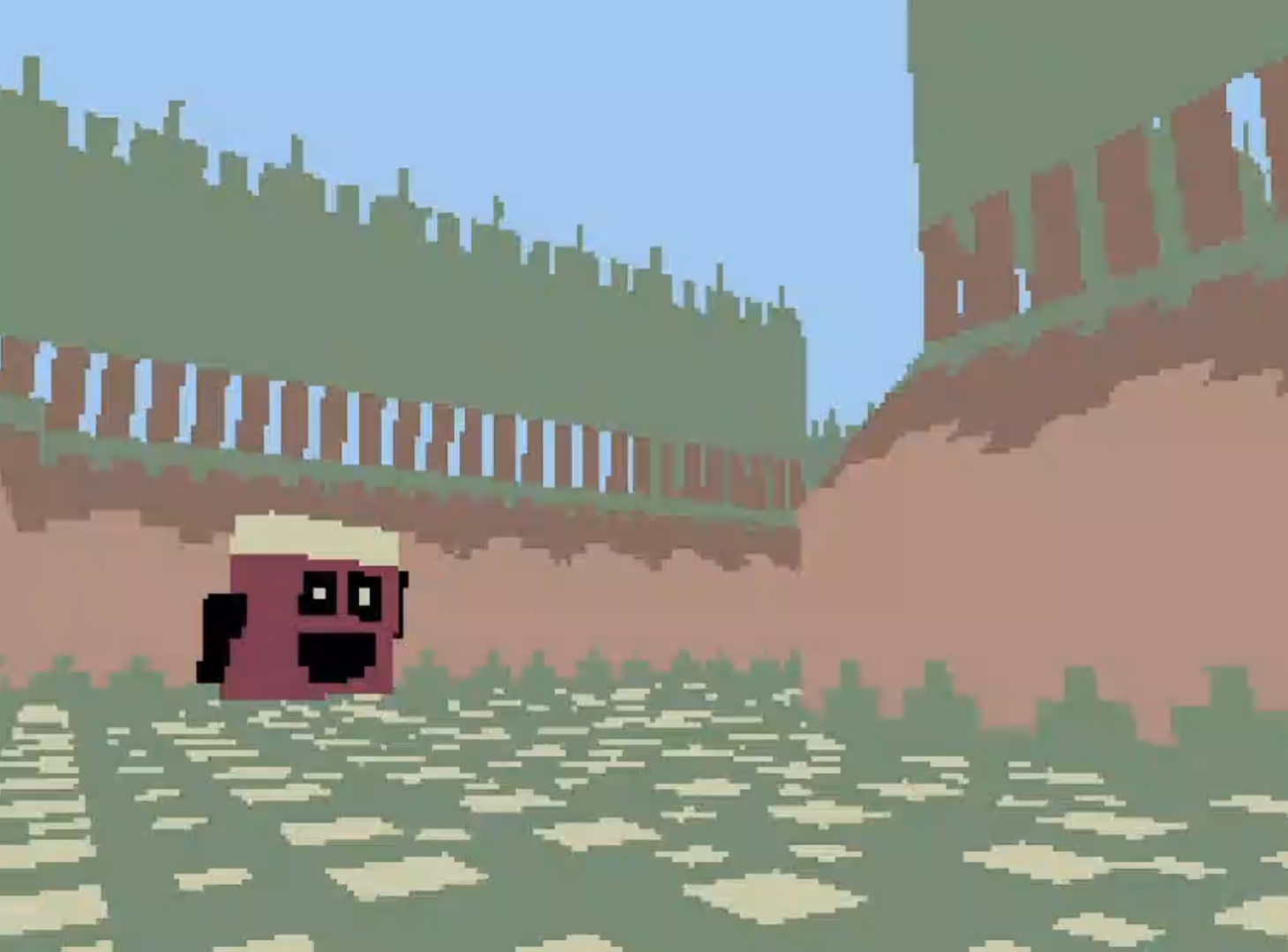
In my current project I'm looking back on how developers dealt with this constraint in the late 90s. Ocarina of Time heavily blocks the player in, giving you the sense that the world continues far past what you can see. It does this with tree walls, fences, hills, cliffs, anything to convince the player that cleverly disguised interior spaces are actually vast exterior ones. This approach is the only way forward I can see for rendering outside spaces in Bitsy 3D in a satisfying way.
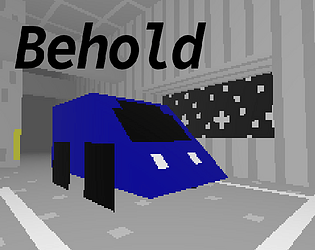
But then there's the 3D modeling itself. This is what really keeps me coming back. You get boxes, wedges, billboards, and planes. That's it, but you can do so much because of the transform functions. Planes can be skewed onto a wedge and a box to create a fully textured car. Multiple pole shaped boxes make convincing posts for your bridge of perpendicular plane textures. Skew billboard seaweed into your flat tower for an overgrown water meter. The possibilities are endless!

I recently realized you can link multiple assets together, transformed relative to each other. This has really emboldened my recent shift towards actually 3D characters, instead of just bitsy billboard sprites. I also find good results with a crunchy resolution and appropriate fog, but these are just aesthetic preferences.
So yeah, Bitsy 3D is my favorite game engine of all time. Thanks for making it Aloelazoe and Aurysystem, hope this is an interesting read for someone out there!