On Sale: GamesAssetsToolsTabletopComics
Indie game storeFree gamesFun gamesHorror games
Game developmentAssetsComics
SalesBundles
Jobs
TagsGame Engines

Machine learning auto-battling gladiators

A topic by Fox created 1 day ago Views: 28 Replies: 2
Viewing posts 1 to 3

A blend of a idle gladiator auto-battle + real machine learning (AI) game.

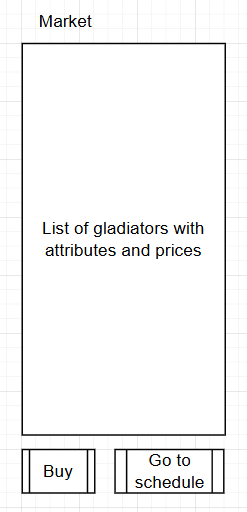
The game tracks ~100 (or whatever) gladiators that have rpg like attributes - strength, durabilty, speed etc and the gladiators auto-battle on a turn-based hex map. 1 vs 1. As a slave master, you get to buy a gladiator, or more, then watch it autobattle. It might win. It might lose. It might die. You don't care if it dies. You'll buy another one.

The thing is each gladiator is a genuine, unique, learning AI. It starts off knowning nothing. It is dumb. It is a rookie. It has to fight another rookie and it slowly learns. First it stumbles around the place. Then it knows how to find a target. Then it knows how to swing and win. Or - it will if learns fast. It will die if it learns slow.

100 gladiators = 100 little neural nets all learning at it's own pace. Fast learners strive and become hero gladiators. Those are the ones you want to own but can you scout those early on when they are rookes? Can you spot the neural networks that show potential? Can you spot, and buy, the cheap rookies that are destined to become expensive hero's?

This is a "roster management" game where you scout and buy gladiators that show potential and then you watch them auto-battle to the top. Each neural network will grow in different ways and different speeds giving each gladiator a truely different behavior. There will be many many lemons and there will be the occasional hero.

Top down, 2D, turn based, hex map. Watch your gladiator take actions each turn and cheer him on to victory so you get the spoils of tournament victories.

They all die in the end - but perhaps not yours - not today. 
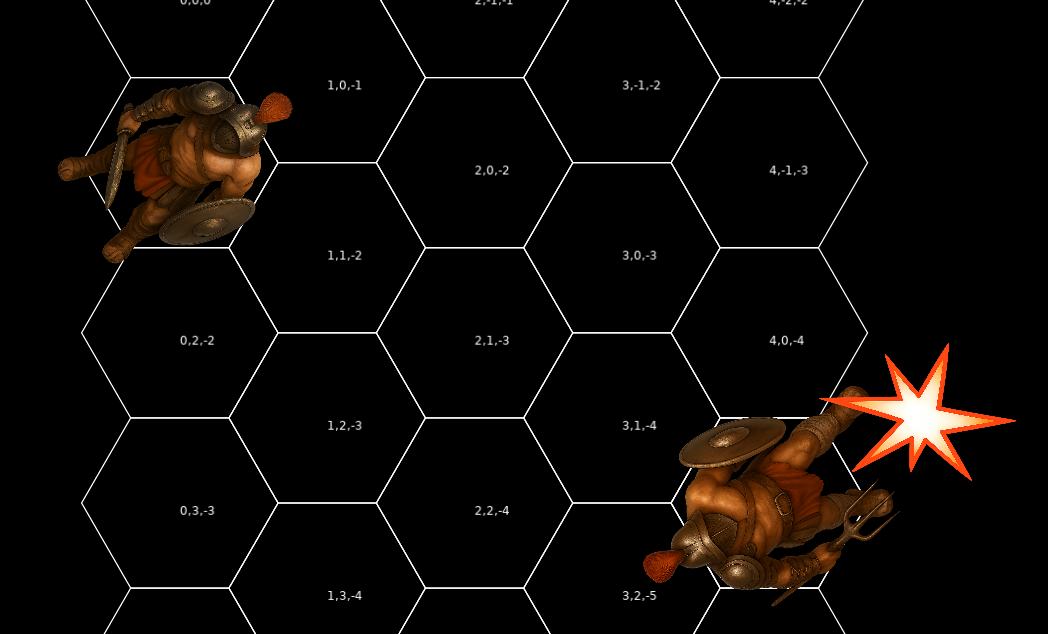


[DEV view]:
Each gladiator has 4 neural networks that control 1) facing; 2) movement; 3) attacking; 4) map boundary
Each AI, in it's own way, will learn to understand where the map boundary is, how to move toward it's opponent, how to face it's opponent, and when to swing/not swing.

Attributes for each gladiator:
- speed (initiative)
- durabilty (abilty to take damage)
- strength (ability to deal damage)

Very simple to start with. Players will, initially, buy rookies based on the above. As the gladiators battle and the neural networks learn, players need to judge if they've bought a lemon or not. A gladiator with good attributes but a slow neural network may work out in the long game.

All rookies know nothing - not even know how to move - so initial battles are ... entertaining ... as the AI begins to understand it's purpose. A gladiator winning it's first round moves to a new pool of other gladiators that have also won a single round. This means victors play victors and not rookies. A gladiator winning a 2nd round moves to a new pool of other gladiators that have won 2 rounds and so on. eg. gladiators that have one 5 rounds will battle gladiators that have also won 5 rounds. Equality and balance is not assured - but competitiveness is.

Losing around doesn't mean death - but that is always a possibility. AI that learns to attack from behind have a greater chance of landing a fatal and terminal blow. Losing, generally, means the gladiator remains in it's current pool but death is death and a part of a gladiators life.

Build up your stable of gladiators. Watch them learn and grow. Watch the hero's evolve. Enjoy learning about neural networks and genuine machine learning. Run auto-battles in the background and become czar of gladiator battles.


(1 edit)


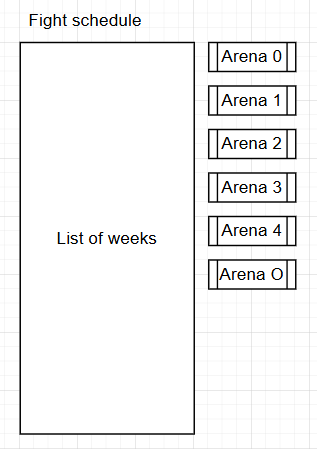
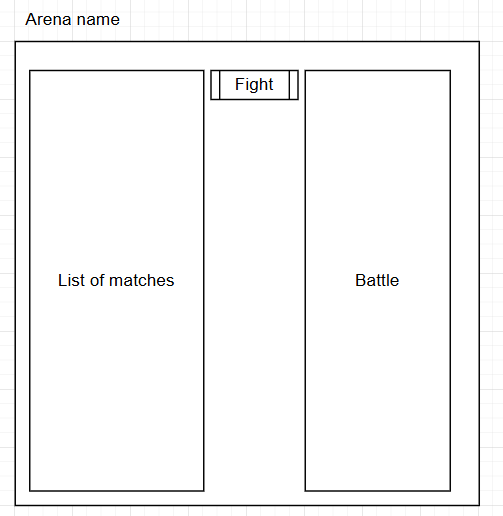
This wont' mean much to the average reader but shows how some of the screens might look and the conceptual data they will contain.